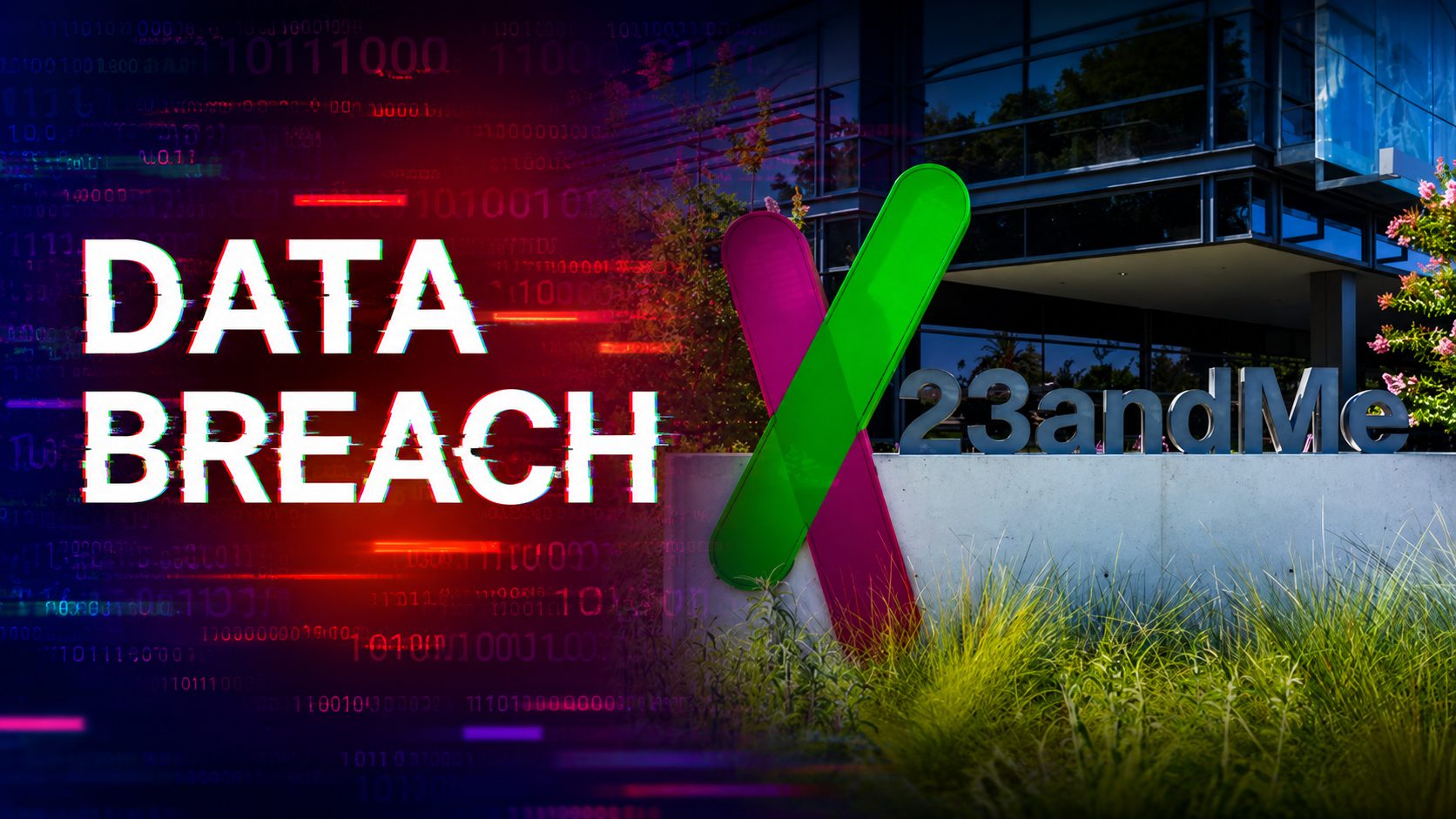
A bankruptcy judge just approved $46.75 million for victims of the 2023 23andMe data breach. Now divide that number by 6.9 million affected people. You’re looking at roughly $6 to $7 per person — before attorneys’ fees and administration costs shrink it further. U.S. Bankruptcy Judge Brian Walsh called the settlement “fair and equitable” on July 7, according to Reuters. Fair is doing heavy lifting in that sentence, because unlike a stolen credit card number, your genetic data cannot be canceled, reissued, or reset. Your DNA is permanent, and that breach is forever — much like the risks posed by apps secretly tracking users without their knowledge.
What the Ruling Actually Says
The company formerly known as 23andMe already distributed $14.29 million, with another $32.46 million heading to victims through Kroll Restructuring.
Chrome Holding Co. — the entity co-founder Anne Wojcicki assembled from 23andMe’s bankruptcy wreckage for about $305 million — is footing the bill. That’s a steep fall from the company’s peak $6 billion SPAC-era valuation, back when mailing your spit to strangers felt like peak innovation rather than a security liability. This episode fits squarely within a broader pattern of tech scandals that have exploited consumers at scale.
Eligible victims (23andMe customers between May 1 and October 1, 2023 who received breach notices) can claim several tiers of compensation, per the official settlement site:
- Up to $10,000 for Extraordinary Claims covering documented losses like identity theft costs or counseling expenses (capped at $8.3 million total)
- Up to $165 for Health Information Claims tied to genetic data exposure
- An estimated $100 for standard Statutory Cash Claims
- Five years of Privacy and Medical Shield monitoring, including dark-web and genetic anomaly detection
The claims period closed February 17, 2026.
How 14,000 Hacked Accounts Exposed Millions
Hackers recycled stolen passwords to breach a fraction of accounts, but 23andMe’s family-linking features turned a small crack into a structural collapse.
The breach mechanics matter here. Hackers used credential stuffing — recycled usernames and stolen passwords lifted from other breaches — to access roughly 14,000 accounts directly. But 23andMe’s relative-matching features meant those accounts opened a window into connected users’ genetic profiles, ultimately exposing data on millions of people. Privacy researchers have long warned that cascading data access is the defining risk of consumer genomics platforms, where one compromised account can unravel an entire family tree’s worth of sensitive information. The use of a covert surveillance app to harvest personal data follows a disturbingly similar playbook.
California Attorney General Rob Bonta was direct: 23andMe “failed to take basic steps to protect users’ data” and “lied to consumers about the severity of its 2023 data breach,” according to the BBC. The UK’s Information Commissioner’s Office reached a similar conclusion, adding a £2.31 million fine on top.
This settlement closes a legal chapter, but it cannot close the underlying privacy question. Your DNA is not a password you reset. Anyone still considering mailing their saliva to a corporation should think hard about what $6 and five years of monitoring actually buys.