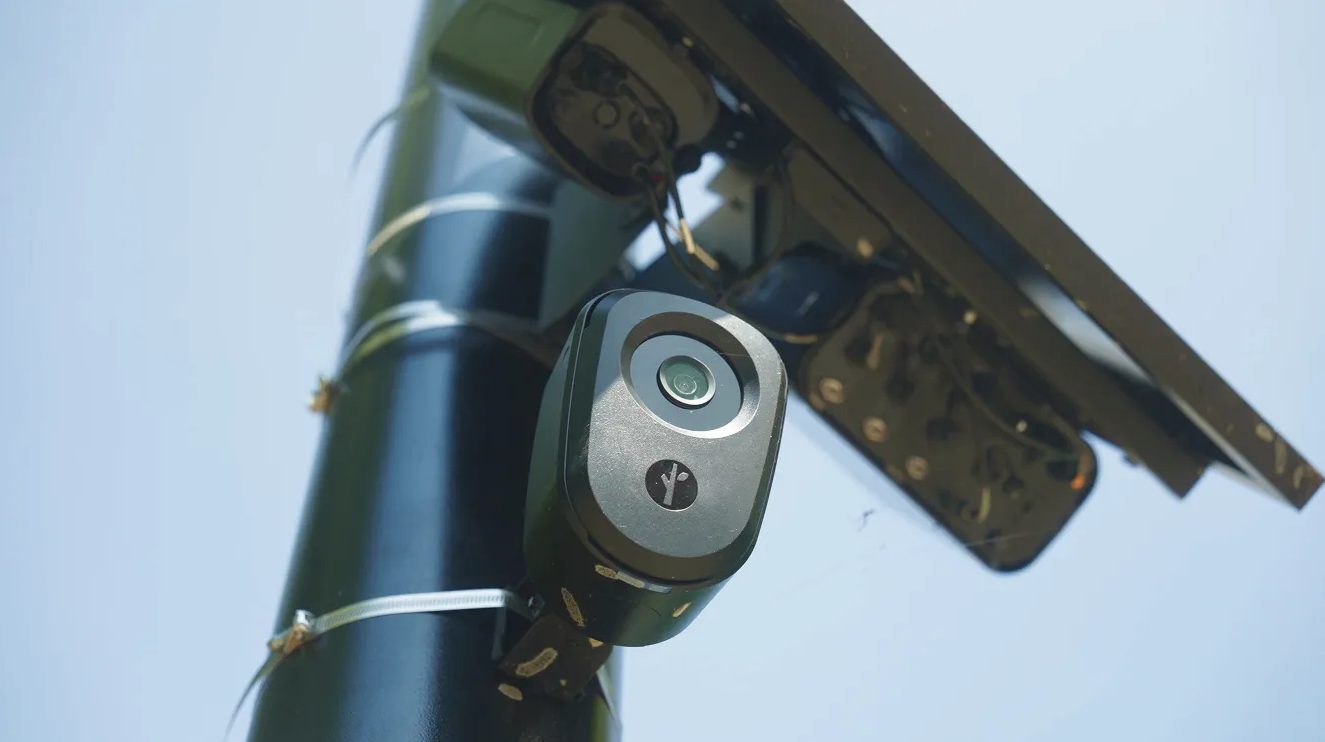
Cleveland Heights installed 20 Flock Safety license plate cameras and told residents they came with guardrails. No immigration enforcement. No helping ICE. Then someone pulled the audit logs. Over a single year, those 20 cameras logged 1,783 immigration-related searches — the vast majority run by outside law enforcement agencies, not local police. Roughly 300 came from Grant County, Washington, a jurisdiction nearly 2,400 miles away. Flock operates as a cloud-based surveillance app-style automated license plate reader network: any agency with sharing access can search your city’s data without your city knowing until someone checks the receipts.
How the Sharing Architecture Actually Works
Flock’s multi-agency design means agencies from Houston to Washington state can query your local camera data — and the audit logs show many of them did, explicitly for immigration purposes.
Here’s what the records revealed across Cleveland-area municipalities:
- Cleveland Heights: 1,783 immigration-keyword searches across 20 cameras in one year, with agencies from Washington state to Texas querying the data
- Cleveland city logs: nearly 250 outside searches using terms like “ICE,” “Border Patrol,” “Homeland Security,” and “customs” — including agencies as far-flung as Houston PD, Dallas PD, and the California Highway Patrol
- 30-day window: over 160 immigration-related searches appeared months after technical safeguards supposedly went live
- Shaker Heights: outside agencies ran 693,573 searches versus 1,016 by local officers; “immigration” appeared 282 times and “I.C.E.” 32 times as listed search reasons
A University of Washington Center for Human Rights report identified three access pathways in Flock networks nationwide: “front door” direct sharing, “back door” audit-log-visible access where federal agencies connect without formal authorization, and “side door” searches where local officers query networks on behalf of federal agencies using keywords like “ICE” or “immigration.”
Cleveland officials maintain Flock remains valuable for investigating theft, weapons, and robberies. Flock frames the immigration queries as external misuse being addressed by new features. Shaker Heights officials stated bluntly that immigration searches “do not align with city policy,” per the city’s official announcement. They opted into Flock’s keyword-blocking feature, mandated daily audit reviews, and pledged to suspend access for any violating agency — a concrete response that Cleveland has yet to match.
A National Pattern, Not a Cleveland Problem
The same structural vulnerabilities documented in Washington state now appear in Ohio, suggesting that vendor guardrails alone cannot contain how networked surveillance data gets used.
The UWCHR findings predate Cleveland’s controversy and document identical access patterns under Washington state’s sanctuary-style protections. This isn’t a configuration error in one city’s setup — it’s a structural feature of how networked surveillance platforms share data across jurisdictions. Cleveland Heights council members publicly questioned whether ICE directly tapped their cameras. The official answer was no. They passed precautionary legislation anyway, acknowledging that indirect access through keyword searches remains a live and unresolved concern.
A sentiment that spread widely after the records dropped captured the moment precisely: public records revealed nearly 2,000 “immigration” and “ICE” searches on Cleveland-area Flock cameras — months after guardrails were supposedly in place. According to the UWCHR report, audits “reveal apparent ‘back door’ access by U.S. Border Patrol to the networks of at least ten Washington police departments” alongside “numerous ‘side door’ searches… with keywords such as ‘ICE’ or ‘immigration.’”
Every municipality running Flock now faces the same uncomfortable question. It isn’t whether the cameras catch criminals — they reportedly do. It’s whether any cloud-based plate reader network, once connected to national sharing infrastructure, can ever be reliably walled off from immigration enforcement. Shaker Heights changed its policy. The audit logs keep running everywhere else — a pattern consistent with the broader tech scandals that have eroded public trust in surveillance platforms nationwide.