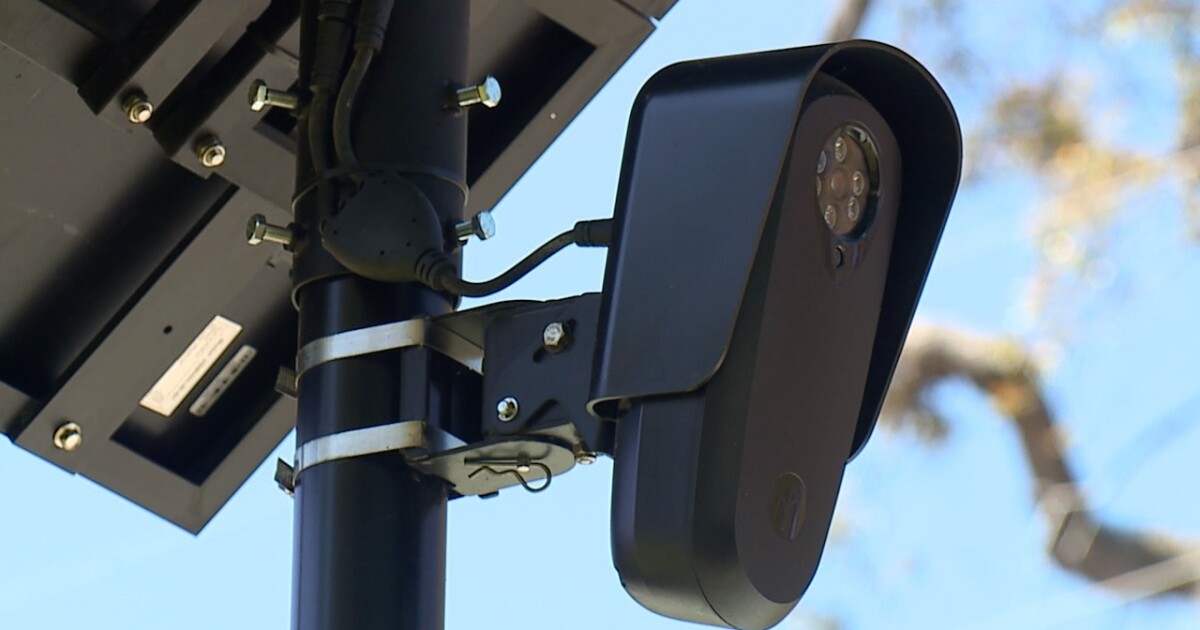
Fishing rods, cooler, maybe a rifle in the back. The drive toward Richland Wildlife Management Area in Hernando County, Florida, cuts through miles of pine flatwoods — no streetlights, no neighbors, no strip malls. At a rural crossroads sits a small camera on a pole. It photographs every passing license plate, converts the data to machine-readable text, time-stamps the location, and sends everything to a law-enforcement cloud server. Welcome to the woods.
The Hernando County Sheriff’s Office has installed over 40 Flock Safety automated license plate reader cameras across county roads, including remote corridors near wildlife management lands, according to the Hernando Sun. The deployment began roughly a year before the controversy surfaced in early 2026, triggering a county commission debate about oversight, data retention, and proportionality.
How Flock Works (and Doesn’t)
These aren’t red-light cameras — they’re persistent surveillance infrastructure that captures every vehicle, not just suspected criminals.
Flock cameras photograph every passing plate and cross-reference it against law-enforcement databases covering stolen vehicles, warrants, and active alerts. They issue no citations. The Okaloosa County Sheriff’s Office, another Florida agency using the system, describes Flock as “ONLY used as an investigative tool to prevent and solve crime.” HCSO echoes that framing, calling the cameras a “vital role in bringing criminals to justice” on agency social media. Readers interested in the technology itself may find a broader look at home security systems useful for comparison.
The Wilderness Problem
Over 40 cameras blanket a rural county — yet no public source documents a specific crime pattern justifying surveillance at wilderness crossroads.
HCSO’s stated rationales include:
- recovering stolen vehicles on backroads
- tracking suspects crossing county lines
- addressing rural property crimes
Those are real law-enforcement scenarios. But no publicly available source documents a specific crime trend at or near Richland WMA that demanded these placements. That gap between generic justification and documented need matters — it’s the difference between targeted policing and a dragnet, the digital equivalent of photographing every library patron because someone once stole a book.
County Commissioner Ryan Amsler put it directly: “In most cases, most likely, these people haven’t been involved in any crimes,” according to local TV coverage. Every hunter, angler, and camper driving that road gets logged regardless. A proposed county ordinance would require commission approval for future camera installations and mandate a full review of the existing system, per the Hernando Sun. Worth noting: Hernando’s specific data-retention policies remain undisclosed in available public sources — a transparency gap critics say is part of the problem. Every plate scan is a location record, and location records reconstruct lives.
What Happens Next Matters Beyond Hernando
A court ruling in Washington state already forced some cities to shut their Flock cameras off entirely — and Hernando’s decision could set the template for rural counties nationwide.
If you use public land anywhere in rural America, this debate is worth watching. A court in Washington state ruled that Flock camera images qualify as public records, prompting some cities to deactivate their systems rather than face broad disclosure requests. Whatever Hernando’s commission ultimately decides could become the blueprint for every rural county that let a vendor wire up its secretly tracking users first — and asked questions later.