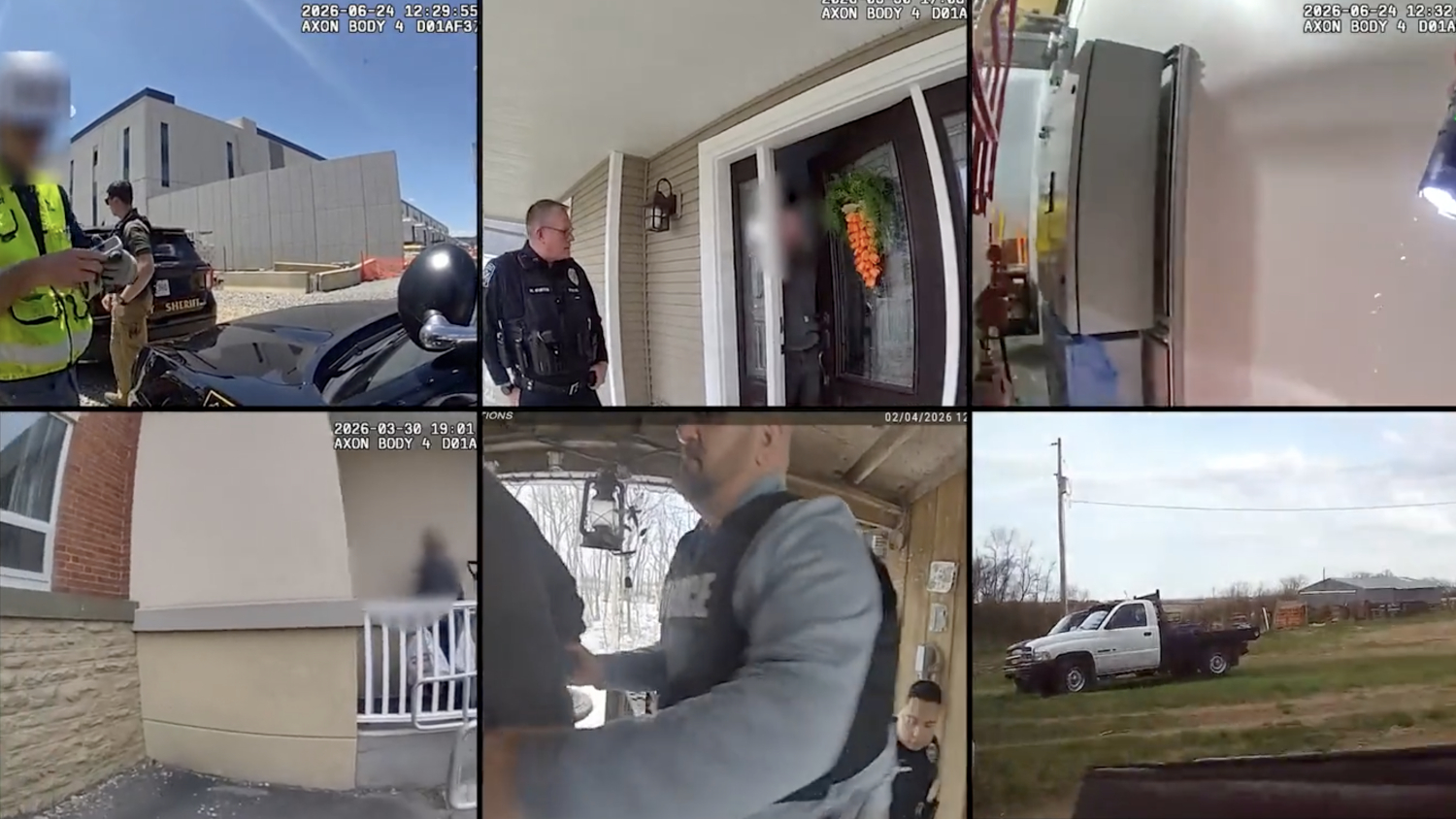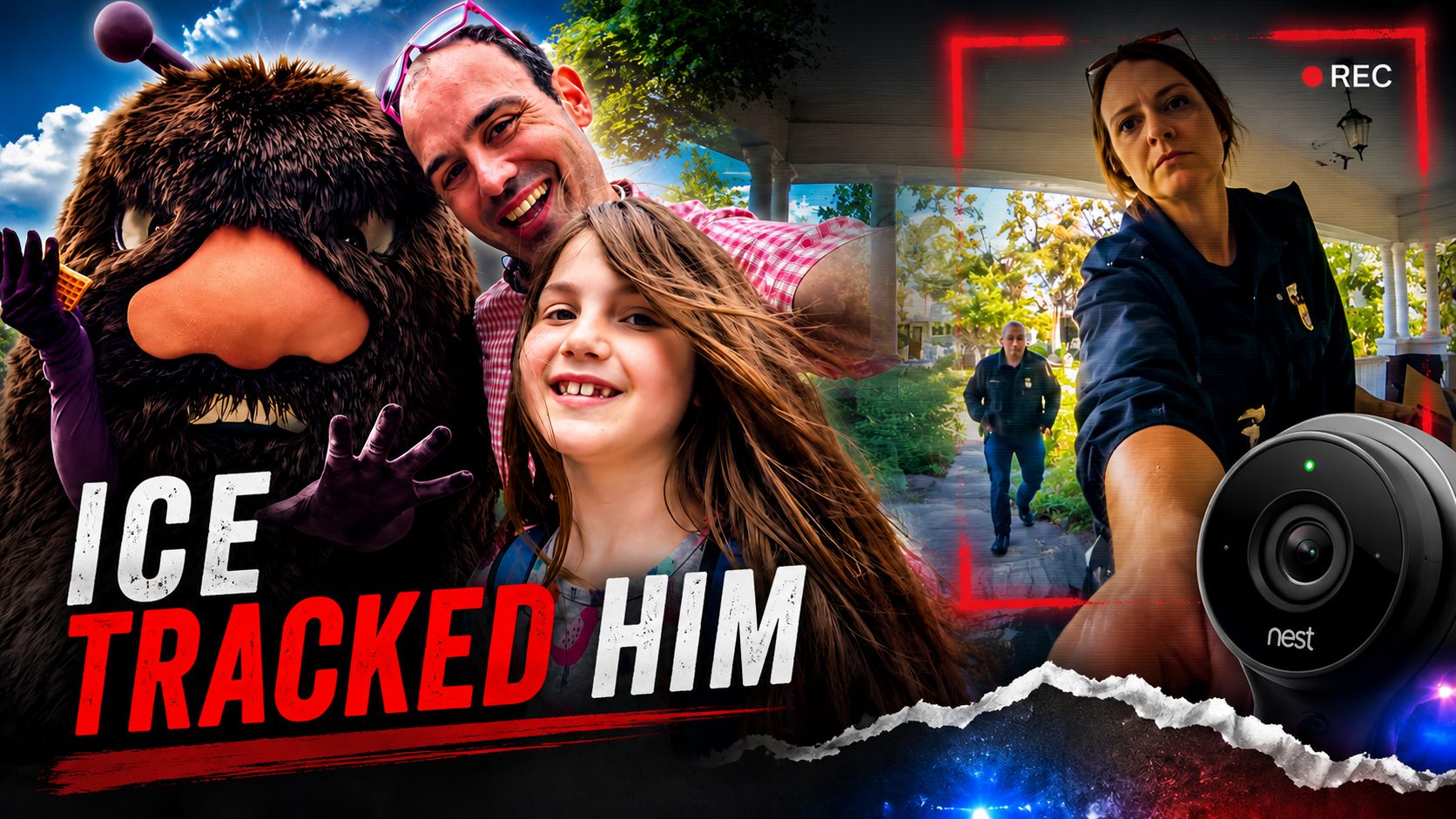
David Streever was at a Moomin World theme park in Finland with his 7-year-old daughter when two Homeland Security Investigations agents rang his doorbell back in Rochester, New York. His wife answered. They left a document labeled “WARNING NOTICE” — bold letters declaring he “MAY BE IN VIOLATION OF FEDERAL LAW.” Two days later, Streever landed at JFK and checked into an airport hotel. His wife hadn’t told anyone which one. The front desk handed him a federal agent’s business card.
The Email That Started It All
A three-paragraph message to a powerful official — angry, pointed, and, according to civil liberties attorneys, entirely protected.
Five months earlier, in January 2026, Streever — a Rochester father of two and former journalist — fired off a three-paragraph email to then-acting ICE Director Todd Lyons. He’d just watched videos of federal immigration officers fatally shooting two U.S. citizen observers, Renée Macklin Good and Alex Pretti, during enforcement operations in Minneapolis. His email called Lyons a “monstrous human being,” compared him to a Nazi, and predicted: “You will torment yourself until your last day on Earth.” The Foundation for Individual Rights and Expression (FIRE), now representing Streever in federal court, says the email contains zero threats of violence — just fury directed at a powerful official. FIRE filed suit on July 6, 2026, in Washington, D.C., naming DHS Secretary Markwayne Mullin and three agents as defendants. Streever and Syracuse poll worker Paigelynn Gonyea — confronted by HSI agents at a voting location that same June 23 day, despite a New York law barring federal immigration officers from entering polling sites — are the first known people to publicly disclose receiving DHS “WARNING NOTICE” documents over ICE criticism.
FIRE attorney Adam Steinbaugh frames the five-month gap as the tell: “The fact that authorities didn’t respond immediately shows that David presented no threat. This pursuit is designed to intimidate lawful speech, pure and simple,” he told NPR. The ACLU’s Nathan Freed Wessler called the pattern of agents knocking on doors over protected speech “very troubling.”
DHS Says It’s Protecting Officers. Critics Say It’s Chilling Speech.
The agency cites surging threats against officers — but leaves a critical surveillance question unanswered.
DHS claims officers face a 1,300% increase in assaults and an 8,000% increase in death threats — figures NPR has not independently verified. “Any allegation DHS and its components are attempting to ‘squash’ free speech is categorically FALSE,” the agency stated. What remains unexplained is how agents tracked Streever to a specific hotel his wife never disclosed. Separate reporting by NPR and others has documented ICE’s use of:
- data brokers
- geolocation tools
- administrative subpoenas requiring no judicial approval
This surveillance infrastructure is now apparently pointed at critics as readily as at targets of criminal investigation.
“I never dreamed it would lead to a knock on my door by federal officers or descending on my hotel in the dark of night,” Streever told NPR.
The lawsuit asks courts to declare that warning notices alone — no charges required — are sufficient to chill protected speech and therefore unconstitutional when deployed against lawful expression. Streever and Gonyea went public. The uncomfortable question is how many others got that knock and stayed quiet.