At 699 km/h, a battery-powered drone reportedly outran every certified electric aircraft on Earth — including ones with human pilots inside them. That figure comes from Quantum Systems, a Munich-area defense startup, following internal field testing on June 26, 2026. The flight was conducted in straight and level flight, not a dive — a critical distinction for record validity. Guinness World Records and the Fédération Aéronautique Internationale have yet to certify the result. Behind the number sits a year of engineering grind, Porsche-derived battery cells, and a very real war-driving demand for faster interceptor drones.
The Flight That (Unofficially) Changed the Numbers
Quantum Systems clocked a straight-and-level speed that surpasses the existing record by a meaningful margin — but formal certification is still pending.
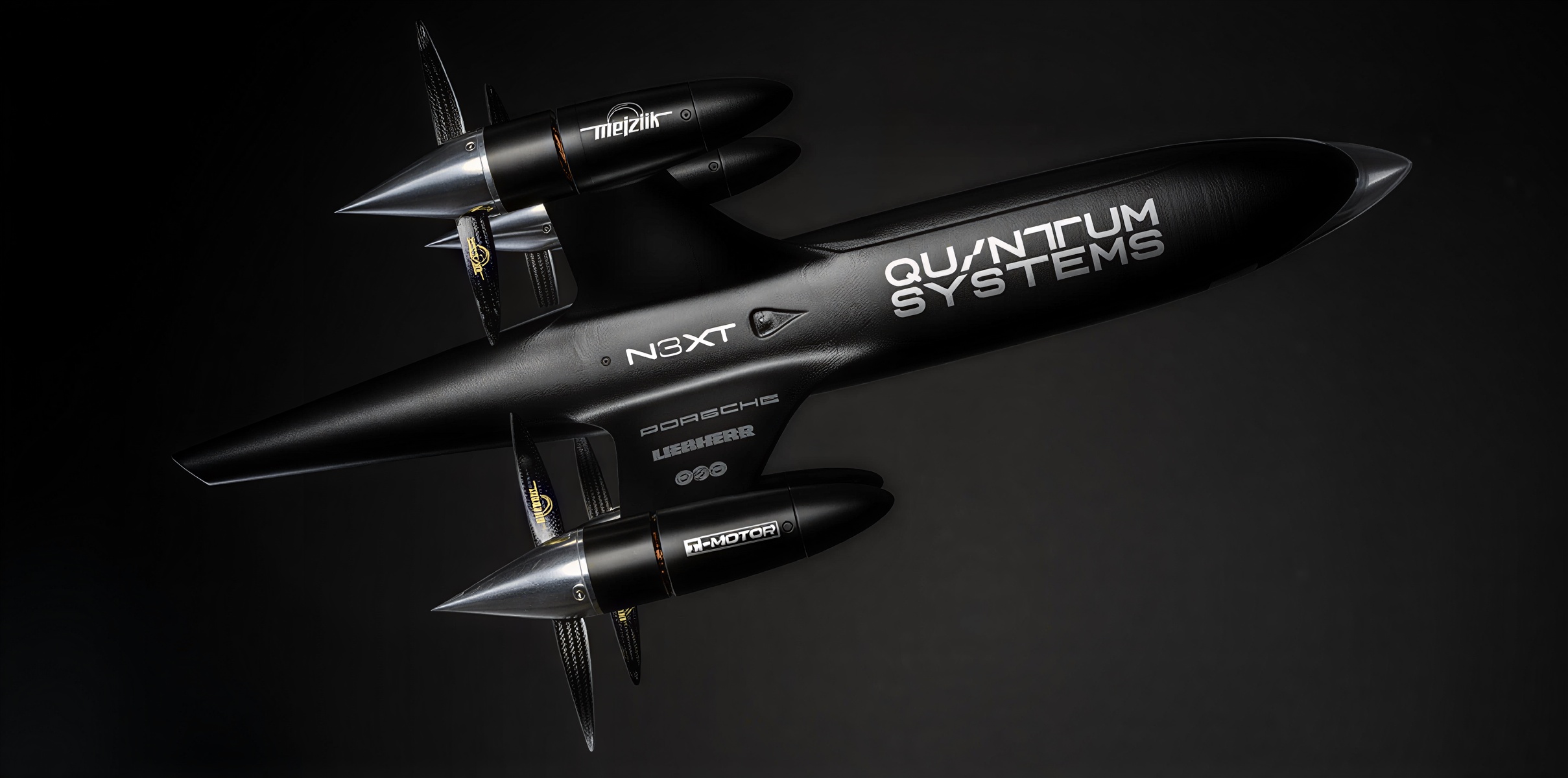
On June 26, 2026, Quantum Systems’ internal N3XT engineering team ran the Apex Recordhunter at 699 km/h (434 mph) in straight and level flight. The current official benchmark sits at 657.59 km/h (409 mph), set by South African brothers Luke and Mike Bell with their Peregreen V4 drone in December 2025. Neither Guinness World Records nor the Fédération Aéronautique Internationale has validated the new figure. Until that changes, 699 km/h is self-reported data from internal instrumentation.
- Official electric drone speed record (level flight): 657.59 km/h — Peregreen V4, December 2025
- Apex Recordhunter’s claimed speed: 699 km/h — internally instrumented, uncertified
- Battery supplier: V4Smart GmbH, a Porsche AG subsidiary specializing in high-discharge cells
- Rolls-Royce Spirit of Innovation (crewed electric aircraft record): 555.9 km/h — already exceeded here, unofficially
Senior Prototyping Engineer Robert Gardemin described more than a year of punishing development work behind the milestone — early mornings, late nights, and setbacks before the breakthroughs. “699 km/h is an incredible milestone, but it’s only the beginning,” Gardemin said, per NotebookCheck. “We will be back very soon to go even faster and make it official.” Formal certification attempts are planned, with further test flights expected under official observation.
From Speed Record to Battlefield
The Apex Recordhunter exists because interceptor drones need to be fast enough to actually catch the threats they’re chasing.
This isn’t a vanity project. Quantum explicitly frames Apex Recordhunter as a technology demonstrator — battery and propulsion breakthroughs feeding directly into next-generation interceptor drones, not a commercial product. Germany has committed to delivering 15,000 Strila interceptor drones to Ukraine’s National Guard, built with Kyiv-based partner WIY Drones, according to The Defense Post. Those Strilas target Shahed-136 loitering munitions. Earlier interceptors like the General Cherry “Bullet” topped out around 310 km/h. The gap between that and 699 km/h is not incremental — it’s a different category of threat response entirely.
If you’re tracking counter-drone technology, the battery story matters as much as the speed number. V4Smart’s bespoke high-energy cells aren’t pulled from a standard production line. They’re engineered specifically for the discharge rates sustained by high-speed electric flight demands. The trajectory mirrors Formula 1 powertrain technology filtering down to production vehicles — except the destination here is a warzone, and the vehicle’s job is neutralizing drones before they reach their targets.
If certified, this number resets expectations for what electric interceptors can do. Ukraine becomes the proving ground where supersonic flight records stop being trophies and start being operational requirements.