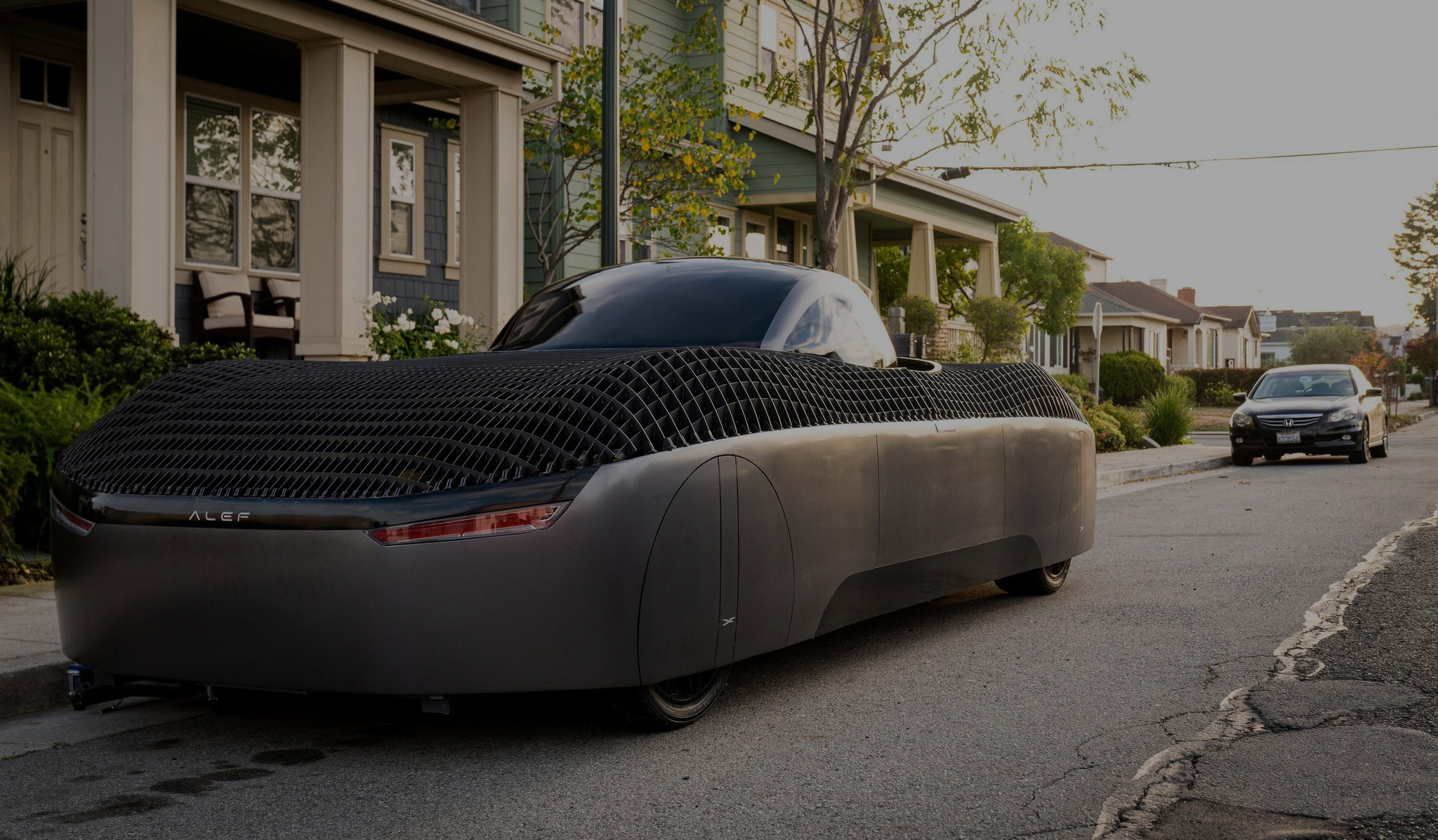
Traffic-clogged highways have spawned countless flying car fantasies, but Alef Aeronautics just delivered something tangible: actual production of their Model A Ultralight at a Silicon Valley facility. Don’t dust off your pilot license yet—this milestone comes with major caveats that separate sci-fi dreams from engineering reality.
Hand-Built Prototype Territory
Early units prioritize controlled testing over mass-market disruption.
These aren’t rolling off assembly lines like Teslas. Each Model A is hand-assembled using composite-intensive manufacturing, a process that takes months to complete. The first handful of units will reach select early customers specifically for real-world testing under tightly controlled conditions—think beta testing for a $300,000 piece of experimental transport. Alef plans to use operational data to refine its approach before attempting larger-scale production of its flagship model.
VTOL Meets Golf Cart Speed Limits
Technical innovation collides with regulatory constraints in unexpected ways.
The Model A’s party trick involves rotating its chassis 90 degrees mid-flight, transforming the front and rear into wings while air flows through its mesh body structure. You get genuine vertical takeoff capability without runways—impressive engineering. But here’s the catch: road speed maxes out at 25 mph under low-speed vehicle classification. Your neighborhood golf cart moves faster. The air range hits 110 miles versus 200 miles on the ground, assuming you can find appropriate places to legally take off and land.
Luxury Experiment, Not Daily Driver
Early adopters become co-developers in mobility’s uncertain future.
At $300,000, the Model A targets the same buyers considering McLarens or private aircraft—people who value exclusivity over practicality. You’re essentially buying into a controlled experiment rather than replacing your daily commute. The 25 mph speed limit alone relegates road use to local positioning between flight points, not highway travel.
Alef is threading regulatory pathways between ultralight aircraft rules and automotive standards, a complex dance that may determine whether flying cars ever escape niche status. This represents genuine progress in an industry heavy on promises. Whether it leads to practical urban air mobility or remains an expensive curiosity depends on solving challenges that extend far beyond engineering—infrastructure, regulation, and basic physics all need answers.