Half a million to one million units. That’s how many foldable iPhones analyst Ming-Chi Kuo expects Apple to ship in Q3 2026, according to MacRumors. For context, the iPhone 18 Pro and Pro Max will reportedly move 20–22 million units in the same quarter. This isn’t a supply-chain stumble. It’s a velvet rope — and Apple has held this door policy before.
The iPhone X Playbook, Repeated
Apple has constrained first-generation launches before, and it has profited handsomely from the scarcity.
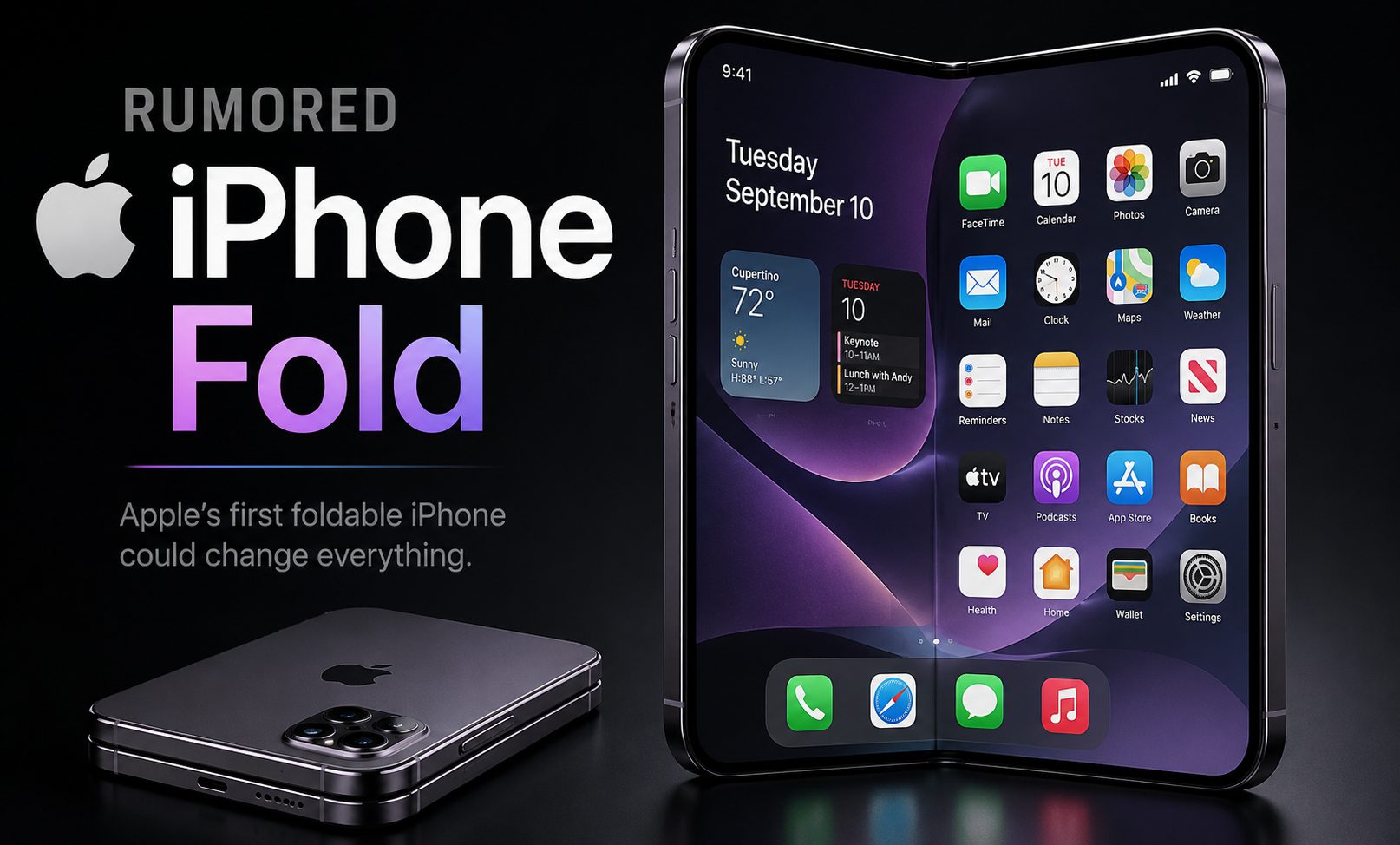
Back in 2017, the iPhone X rolled out with OLED panels and Face ID that manufacturing couldn’t scale fast enough to meet demand. Apple capped early availability at roughly one million units near launch. The foldable iPhone — reportedly called the iPhone Fold or iPhone Ultra — follows the same script. Kuo forecasts 7–8 million total units assembled in the second half of 2026, with the real ramp coming late in the cycle. Apple may announce the device at its September keynote but push preorders into October or later, according to AppleInsider. Announced in September, actually obtainable sometime around the holidays — you know how this goes.
Here’s what supply-chain reporting and analyst consensus point to so far:
- A book-style foldable with a 7.8-inch internal OLED and a 5.3-inch cover screen
- Powered by an A20 Pro chip with 12GB of RAM
- Dual 48MP rear shooters — wide and ultra-wide — with no telephoto on this first generation
- Storage tiers at 256GB, 512GB, and 1TB
- eSIM-only connectivity and reportedly the largest battery ever fitted in an iPhone, per PhoneArena’s spec roundup
- Pricing between $2,000 and $2,500 for the base model, per Kuo and CNET, with IDC estimating top configurations could reach $3,000
$2,500 for a Phone That Might Creak
A 3D-printed hinge and a single-source OLED supply chain are creating real production headaches ahead of launch.
Forbes reports Apple’s 3D-printed hinge currently introduces noise post-assembly, potentially delaying production by 15–30 days. Samsung Display is the exclusive OLED panel supplier. So you’re looking at a first-generation foldable — no telephoto, uncertain hinge durability, priced above a MacBook Air — where Apple is still actively troubleshooting the hardware powered by custom silicon.
That’s not a bug in Apple’s strategy. That’s the feature.
For current iPhone Pro users already paying too much at $1,199, this device isn’t aimed at you — yet. Analyst Ewan Spence argues in Forbes that the foldable functions as a margin-rich halo product, absorbing rising component costs so mainstream Pro prices stay stable. Samsung’s Galaxy Z Fold line starts around $1,999, giving Apple room to lean on ecosystem loyalty rather than price competition. Preorders could realistically slip to October, November, or even December 2026, depending on how quickly those hinge issues resolve.
Kuo still expects strong demand despite every caveat listed above. If history is any guide, constrained availability won’t cool enthusiasm — it’ll amplify it. Whether paying $2,500-plus to be Apple’s first-generation foldable beta tester feels worth it is ultimately your call. Scarcity, it turns out, has always been its own kind of marketing.