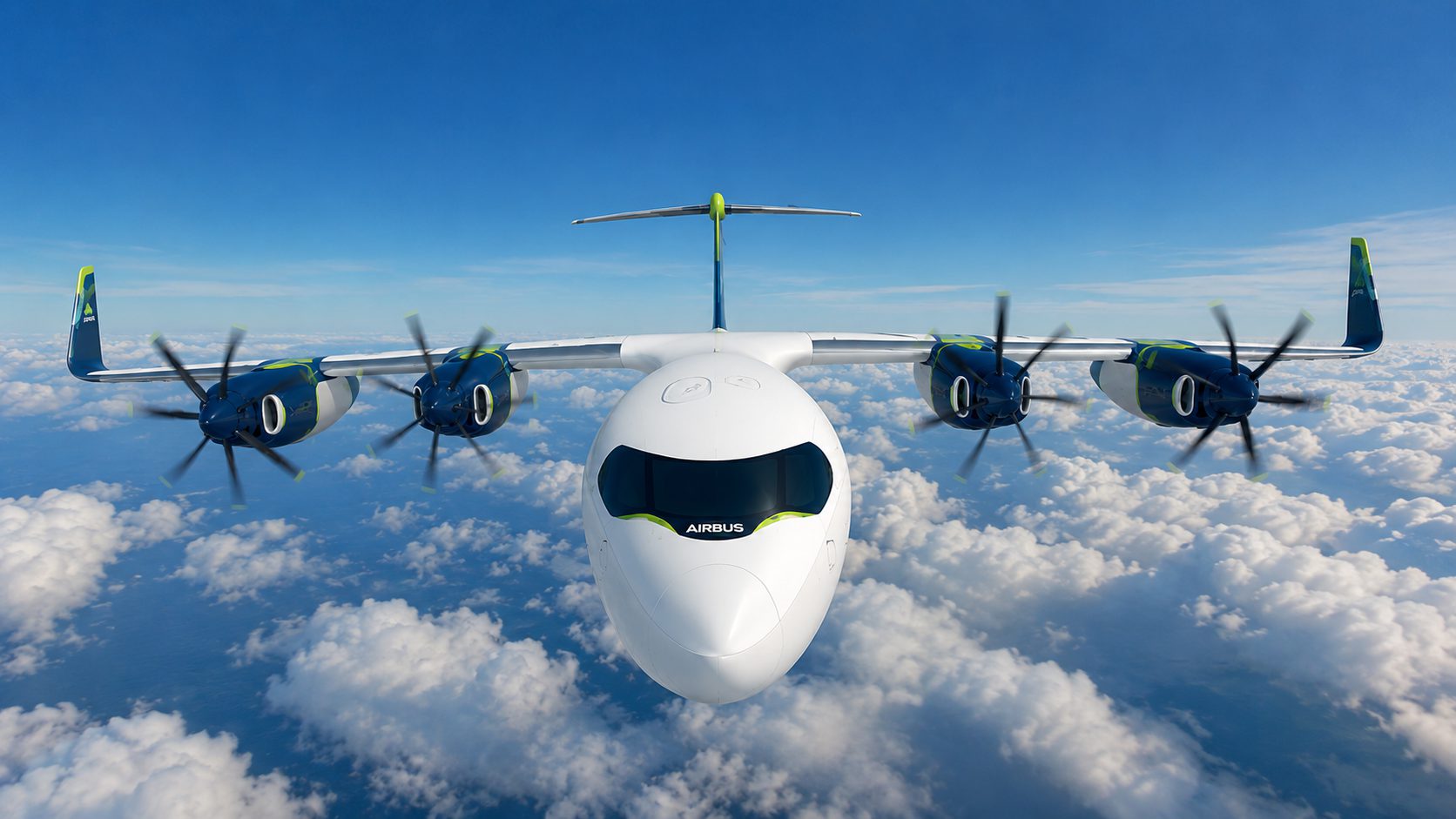
Aviation produces roughly 2.5% of global CO2 emissions — a figure that airline carbon offset checkboxes do little to address. On July 7, 2026, Airbus and MTU Aero Engines announced a planned joint venture to build something that might actually matter: a fully electric hydrogen fuel cell engine for commercial aircraft. Not a hydrogen combustion engine that still produces NOx. A fuel cell system that converts hydrogen into electricity and leaves water as the primary byproduct.
The distinction is enormous. So is the distance between an announcement and an actual aircraft.
How a Fuel Cell Engine Actually Differs From What You Know
Hydrogen fuel cells generate electricity directly, skipping combustion entirely.
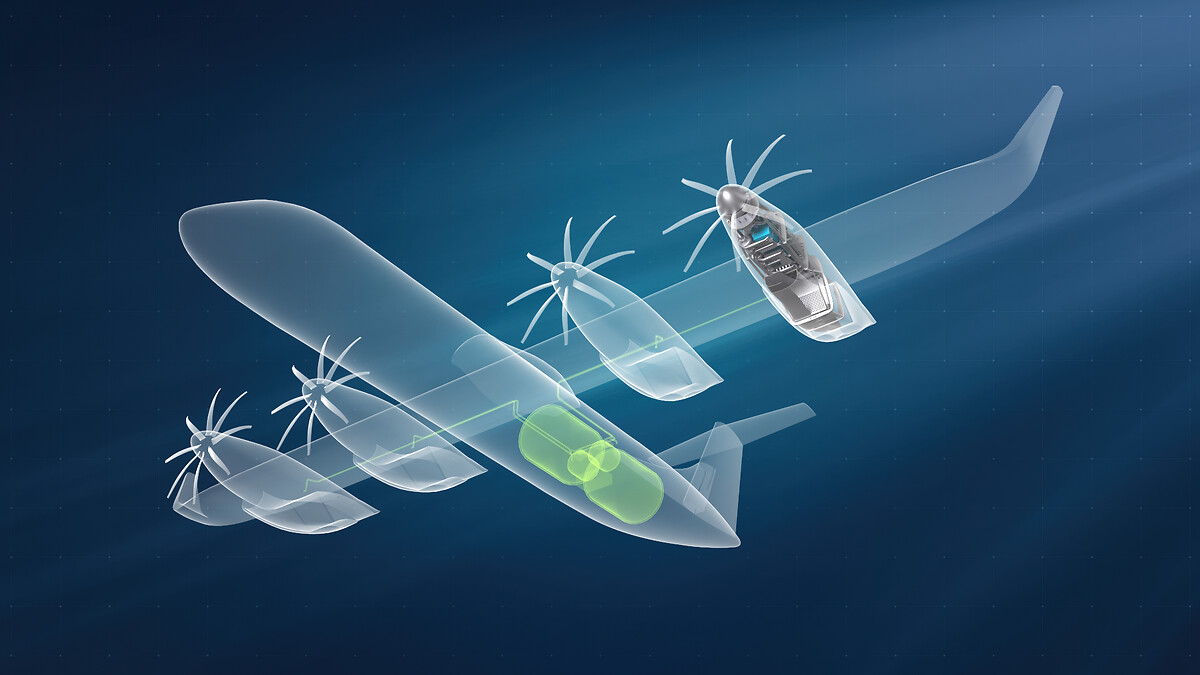
Traditional jet engines burn fuel. Hydrogen combustion engines burn hydrogen instead of kerosene — better, but still producing nitrogen oxides. Fuel cells work differently, converting hydrogen and oxygen into electricity through a chemical reaction, much like the debate between gas vs electric powertrains in ground transport. In the Airbus ZEROe concept, each propeller gets its own dedicated fuel cell stack. MTU’s 1.2-megawatt ground demonstrator under the Clean Aviation HEROPS program proves this isn’t just a slick slide deck. Think of it as aviation’s equivalent of Tesla’s early Roadster era — proof of concept before the real scaling begins.
Key details from the announcement:
- JV operations expected to begin in 2027, pending regulatory and social process approvals across Europe
- Financial Times reported a potential valuation exceeding €1.2 billion with Airbus taking roughly a 75% ownership stake, though these figures remain unconfirmed in official statements
- MTU handles engine design, integration, validation, certification, and maintenance
- The MoU, signed at the Paris Air Show in June 2025, remains non-binding
Bruno Fichefeux, Airbus head of future programs, called the venture “the next logical step” in hydrogen-based propulsion.
The Obstacles Nobody’s Talking About
Engineering is the manageable part — certification, infrastructure, and regulatory alignment are the actual hurdles.
Beyond the lab, hydrogen aviation needs airport refueling infrastructure, entirely new certification frameworks, and regulatory alignment across multiple countries. Both companies acknowledge this explicitly, stating their intent to support the broader hydrogen aviation ecosystem rather than just ship an engine. Meanwhile, Rolls-Royce is running its own hydrogen engine tests, making this field competitive and far from settled — similar to how concepts like the cut fuel use promise of the Phantom 3500 reflect mounting pressure across the industry. MTU engineering chief Stefan Weber framed the goal plainly: a “safe, reliable, and economical propulsion system” — three adjectives that rarely arrive quickly.
The engineering here is real. The timeline, much like every ambitious infrastructure promise, remains aspirational.