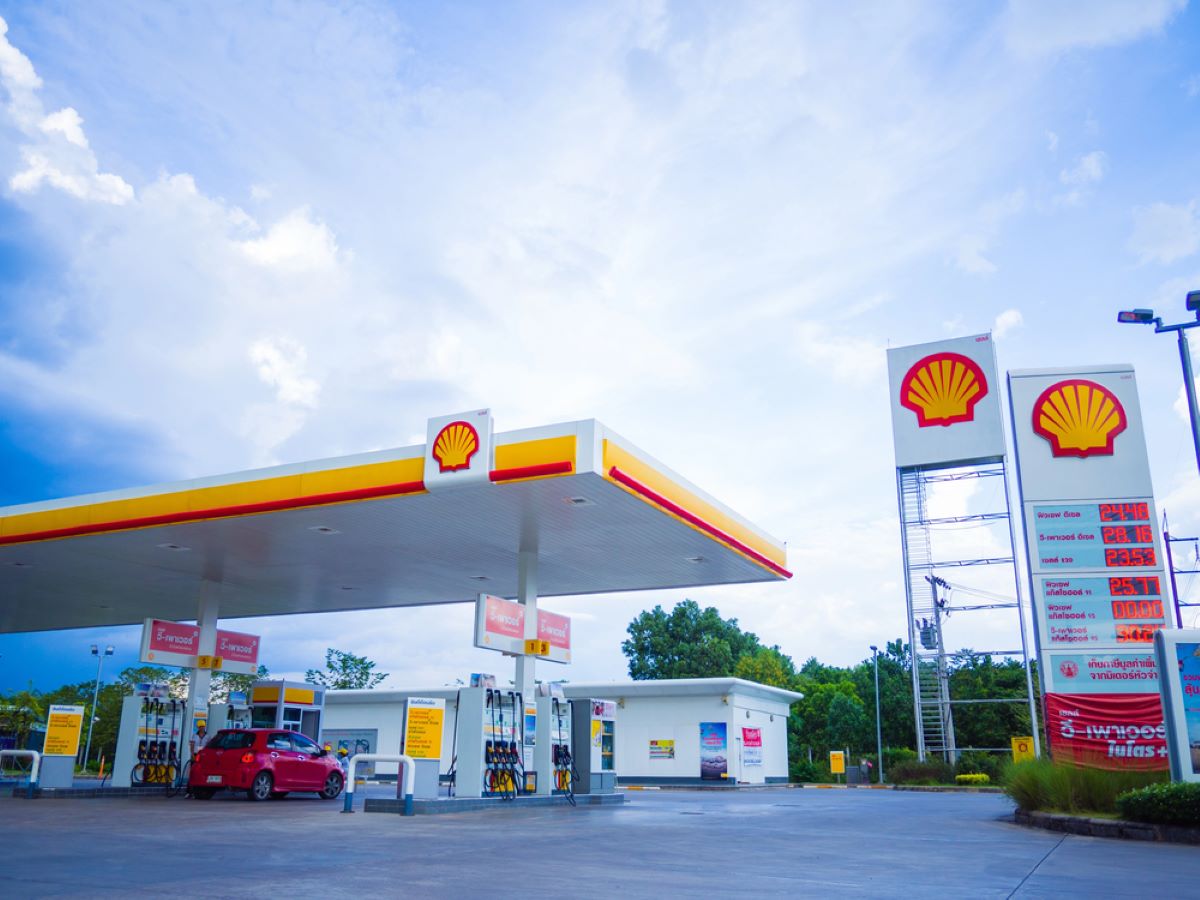
That flinch at the pump is backed by hard data. The U.S. Energy Information Administration reports that premium gasoline averaged about 93 cents more per gallon than regular in 2025. Midgrade sat 57 cents higher. For a 15-gallon fill-up, that’s roughly $13 extra on premium — about $680 a year for weekly fill-ups, according to figures from Kelley Blue Book.
The spread has nearly doubled since late 2016, when it hovered around 50 cents per gallon, per earlier EIA analysis. Drivers are responding. Bloomberg data reported by Jalopnik showed that between June 22 and 25 — amid a price spike tied to the U.S.-Israel-Iran conflict — daily premium sales dropped about 5% compared to February averages. Regular gas sales jumped roughly 10%. Midgrade fell 2%.
That’s not a rounding error. That’s a behavioral shift playing out in real time across thousands of stations. “Using regular unleaded gas in a car that requires premium fuel reduces engine performance and can cause damage over time.” — Kelley Blue Book
One Word in Your Owner’s Manual Separates a Smart Swap from an Engine Risk
What your manual actually says about premium determines whether downgrading saves money or costs you far more later.
Your owner’s manual uses one of two words about premium fuel, and they mean very different things.
If it says “required,” downgrading to regular risks reduced performance and potential engine damage over time, according to Kelley Blue Book. Higher octane — which resists engine knock in high-compression engines rather than delivering more energy — isn’t optional for these motors. For those drivers, the widening spread is less a choice than a long-term cost-of-ownership calculation worth revisiting at lease or purchase time.
If it says “recommended,” you’re in different territory. Modern engine management systems adjust to lower octane with minimal fuss. Consumer Reports notes that many drivers “might not actually need premium gas,” especially when the spread approaches a dollar. Think of “recommended” like that 4K streaming tier you’re paying for on a phone screen — technically better, practically invisible.
And if your car runs on regular? Pumping premium does absolutely nothing useful. Kelley Blue Book calls it “a big money waster.” Mixing grades is also fine; modern electronics handle the adjustment without drama.
A near-dollar spread has converted fuel grade from an autopilot habit into a genuine financial decision — and the answer lives in two words inside a glove compartment most drivers haven’t opened in years. Check the manual. If it says “recommended,” switching to regular is the data-backed move, not the cheap one.