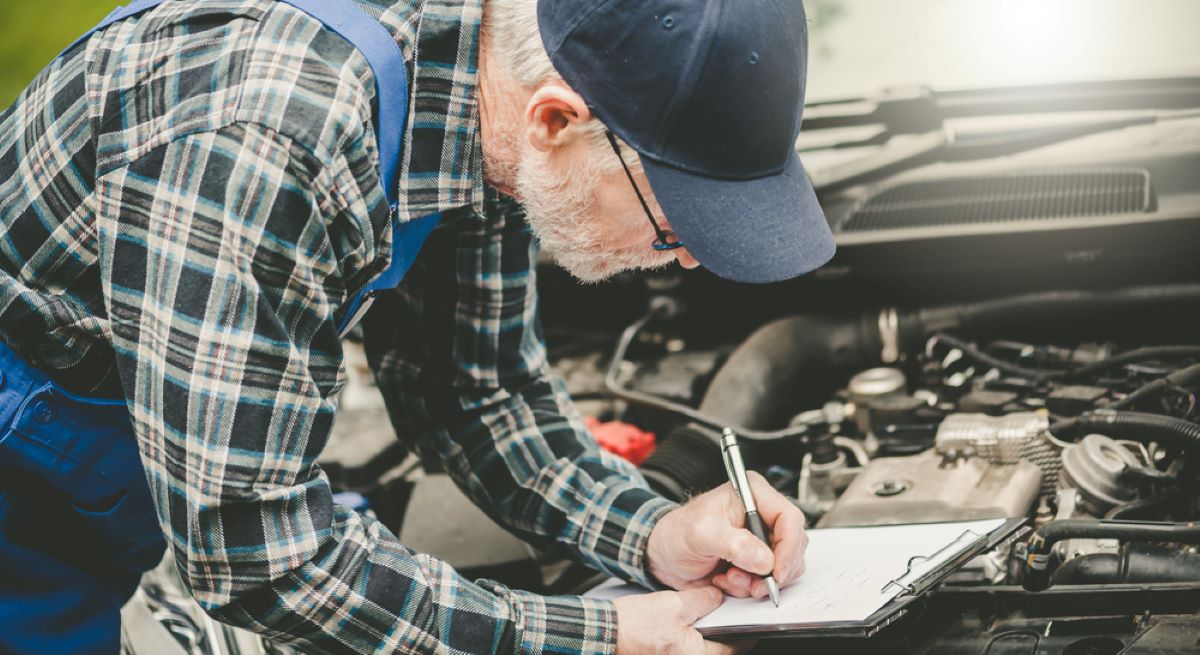
Repair bills between $3,000 and $8,000 for heat-related engine damage are landing on the hoods of cars barely worth that much, according to auto shop sources cited by KSTP. The heat didn’t break these vehicles. Deferred maintenance did. Summer just showed up like a final exam for a course that never made it onto the study schedule. With the average U.S. passenger car now 14.5 years old, according to Repairer Driven News, millions of drivers are sitting on ticking time bombs — with cup holders. Understanding what a car really costs over its lifetime puts those repair decisions in sharper perspective.
An Aging Fleet Meets Record Temperatures
The oldest cars on American roads are also the most vulnerable to summer’s cruelest trick.
The overall average vehicle age hit 12.8 years in 2025, per AAPEX data, with IBISWorld projecting 13.0 years by 2026. That means more cars on the road with worn belts, degraded coolant, and cooling systems held together by optimism — including some of the most unreliable engines ever mass-produced, now aging into their most failure-prone years. Extreme heat doesn’t invent failures. It accelerates the ones already brewing under the hood — a slow-motion disaster that deferred maintenance set in motion long before the thermometer spiked.
What Heat Actually Breaks (And What It Costs)
- Engine or motor damage from overheating or coolant loss: $3,000–$8,000, per auto shop sources via KSTP
- Heater core replacement: $700–$1,200, according to Vevor repair estimates
- Blower motor repair: $200–$400, per Vevor
- Cooling system failures and oil or coolant leaks are the primary heat-accelerated breakdown triggers, per Consumer Reports
- Wheels Away‘s company briefing claims some cars face bills up to $8,000, potentially pushing them “beyond economical repair” — that figure has not been independently verified as an industry-wide average
Here’s the brutal math. When a repair estimate approaches or exceeds the car’s market value, scrapping becomes the rational choice — even if the engine is technically fixable. That’s not a mechanic’s opinion. That’s just economics doing what economics does.
The $50 Check That Prevents a $5,000 Bill
Small preventive steps taken now are the cheapest insurance policy available before summer peaks.
Meineke recommends a battery test, coolant check, and inspection of fluids, belts, hoses, and seals — and watch out for shops pushing an unnecessary fuel filter replacement while you’re in the bay — before temperatures climb. Consumer Reports specifically warns that fixing small cooling-system issues and oil leaks early prevents the cascading failures that produce four-figure invoices. Think of it like checking a bank account after a rough month — uncomfortable for five minutes, but far cheaper than the alternative.
A $200 blower motor fix today beats an $8,000 engine replacement in August. There are also simple repairs you can do yourself to save hundreds before the heat peaks. The age of the vehicle isn’t the core problem. The maintenance the vehicle never received is.