Three researchers at the University of Sydney — Joanne Gray, Marcus Carter, and Ben Egliston — spent years documenting pickup-artist content on Instagram. Their paper, “Harm Through the ‘#RizzCam’: Smart Glasses, Ambient Capture and Invisible Harassment,” examines 350 videos posted between September 2023 and March 2024. The most damning number: 93.3% of those posts left comments open. The encounter ends. The video doesn’t. That gap — between a moment on the street and a permanent, comment-enabled record — is what makes this a design problem, not just a behavior problem.
What “Ambient Capture” Actually Means
When recording hardware disappears into everyday objects, the burden of awareness shifts entirely onto the person being filmed.
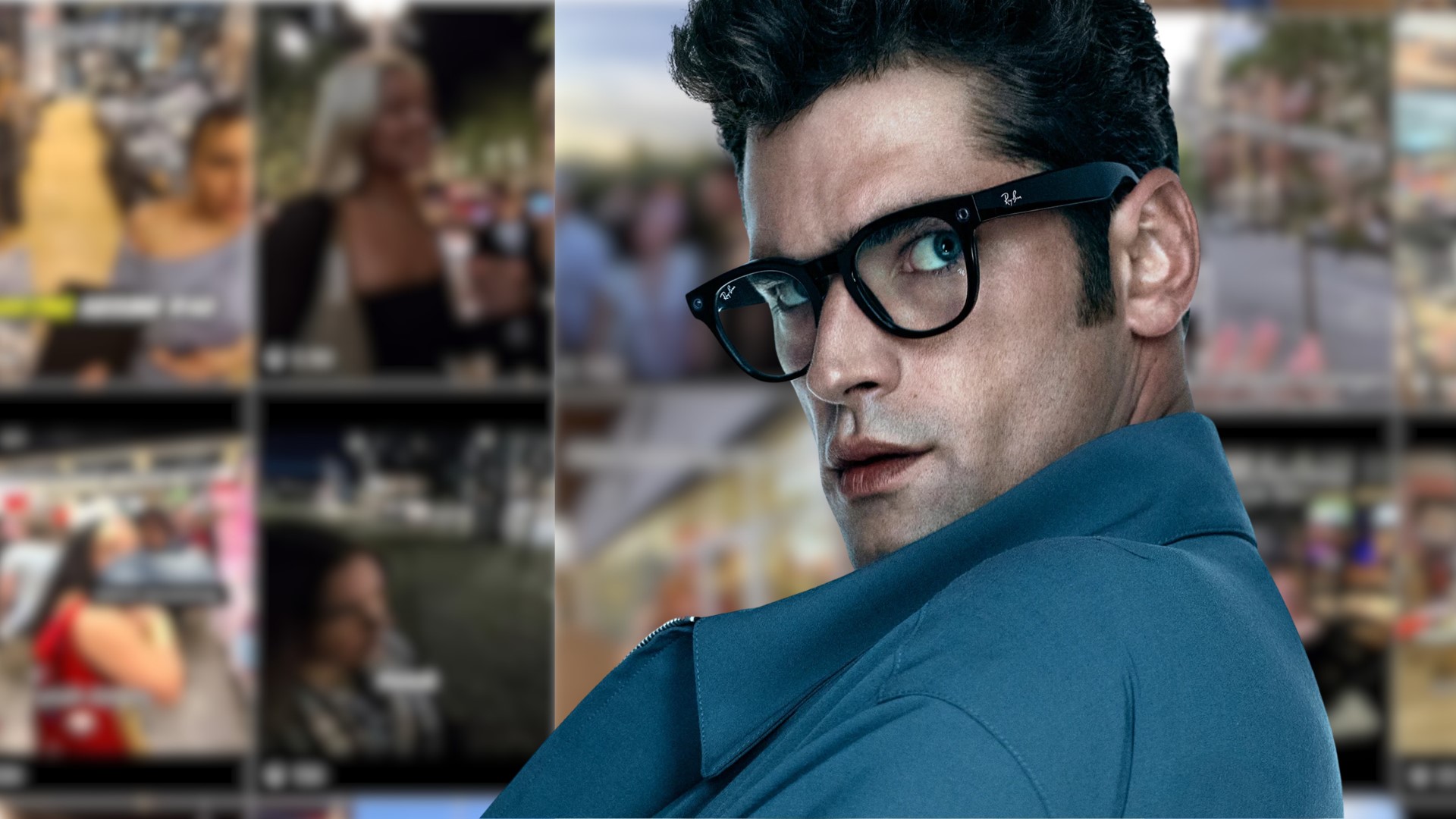
“Ambient capture” is the researchers’ term for recording that hides in plain sight. Smart glasses don’t look like cameras. They don’t need to be raised, aimed, or explained. The subject rarely knows they’re being filmed; bystanders can’t tell either. The resulting footage places viewers directly inside the recorder’s perspective — first-person, intimate, and voyeuristic.
Covertness correlates with severity. About 60% of covert point-of-view videos in the dataset involved behavior classified as potential harassment. In 43% of cases, women in the footage were later exposed to derogatory comments, doxxing, or further abuse in comment sections. Key findings from the study:
- Greater filming covertness directly associated with more severe harassment
- 43% of videos triggered derogatory comments, doxxing, or further abuse
- 93.3% of posts left comments open, extending harm indefinitely
- Content follows a repeatable script: approach, provoke reaction, post for engagement
- Staged clips were included because scripted normalization produces measurable harm
The Script Is the Product
Instagram’s engagement incentives reward the format; Meta’s moderation hasn’t kept pace.
Pickup-artist content on Instagram runs like a franchise operation. Men approach women, provoke a visible reaction, and package the encounter as engagement content. The glasses remove the most obvious tell — a raised phone — making the approach look natural and the filming invisible.
Instagram CEO Adam Mosseri publicly pledged to remove “pickup line kind of videos” that exploit or harass strangers. Multiple subsequent reports found similar content still visible after that announcement. “The harm does not end when the encounter does,” the researchers note — a description of comment sections that stay live for months, not a metaphor.
Meta’s LED Light Isn’t the Fix
Pointing to a small indicator light as a safeguard displaces accountability onto the very people being harmed.
Meta points to the glasses’ recording LED and tamper-detection features as evidence of responsible design. Critics — including the Sydney researchers — argue that a small indicator light shifts responsibility onto the person being filmed to notice, object, and escalate. In a busy street interaction, that’s not a realistic safeguard.
The problem isn’t one bad actor with one pair of glasses. It’s the combination: hardware engineered for unobtrusiveness, a platform that monetizes engagement, and comment sections that stay open like wounds. Until product design and platform enforcement treat that persistence as their problem to solve — not the subject’s — the “#RizzCam” ecosystem keeps running.