An electrician named Danny Brooks stopped at a Chick-fil-A in Lafayette, Indiana and found himself surrounded by armed officers. His work truck had triggered a Flock Safety camera alert tied to a stolen vehicle report, according to NBC News. The plate had been misread.
Brooks is one of five people confronted, detained, or jailed after erroneous Flock alerts, according to NBC’s reporting. This is what happens when a probabilistic match gets treated as a verdict rather than a lead.
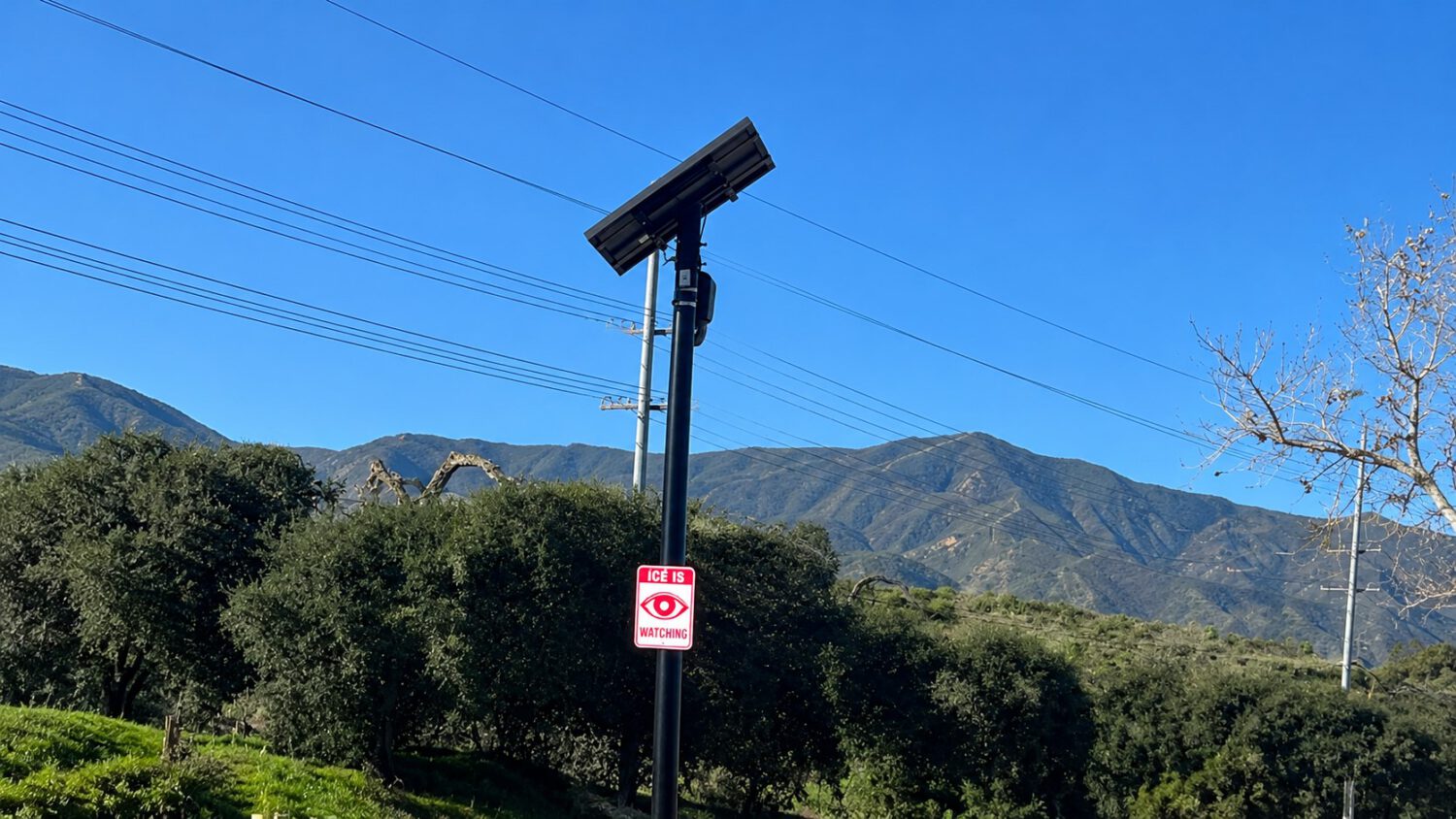
Flock’s cameras photograph passing vehicles, extract plate text and vehicle attributes, check results against hot-list databases including the National Crime Information Center, and push real-time alerts to officers. The system is fast by design.
The Gap Between Alert and Verified Fact
The distance between an automated camera match and a confirmed suspect is where innocent people get hurt.
Flock’s own documentation describes alerts as investigative leads requiring human review and corroboration before any enforcement action. That distinction matters enormously on paper.
In practice, NBC’s reporting suggests officers sometimes treat the automated match as the final word rather than the starting point. One person, according to NBC, spent nearly two weeks in jail because of a similar error. The jurisdiction and final legal outcome remain unverified in independently sourced records.
Two distinct failure modes explain how this happens. Either the camera misreads a plate, or the connected database record is wrong, outdated, or was never updated after a recovered vehicle had its stolen status cleared. Either failure, unchecked, can put an innocent driver at gunpoint.
The accountability questions that should accompany every Flock deployment deserve public answers:
- What confidence threshold triggers an alert, and does the officer’s interface communicate any uncertainty?
- Are officers required to visually confirm the plate, make, model, color, and state before approaching?
- How quickly are recovered stolen vehicles removed from hot lists, and how are corrections pushed to participating agencies?
- Who can search the resulting vehicle-location history database, and how long are records retained?
- Is there any formal process to notify or compensate drivers wrongly flagged by the system?
What Needs to Change
The cameras are not the core problem; the absence of enforceable verification steps before a high-risk stop is.
Flock’s stated value is real. Locating stolen vehicles and finding missing people are legitimate public-safety goals. The technology itself is not the issue.
The problem is what happens when a probabilistic match escalates directly into a weapons-drawn stop. Think of the alert the way you think of a Google Maps route suggestion: useful information, not a command hardwired to the steering wheel. You still have to look at the road.
Concrete improvements are not difficult to name. Each one addresses a specific gap in the current process:
- Mandatory dispatch confirmation before weapons are drawn
- Required visual match of plate, vehicle make, model, and color before any approach
- Audited false-positive rates published by each agency, not buried in procurement contracts
- A clear, enforceable correction process when the system flags the wrong person
Flock also markets a “Vehicle Fingerprint” capability that helps match vehicles by body type, color, decals, and accessories, useful when a plate is obscured. That capability makes the tool more powerful. It does not reduce the obligation to verify before escalating.
ALPR systems build searchable location histories linking vehicles to places and times. Those histories can be shared across participating networks depending on local contracts and policy. Who searches that data, under what rules, and for how long is an entirely separate question from whether the original alert was correct , and raises the same concerns as any surveillance app deployed without public accountability.
Without transparent error rates, enforceable verification protocols, and a real remedy for wrongful stops, the gap between alert and verified fact stays open. Innocent drivers bear the cost of a system that was never required to check its own work.