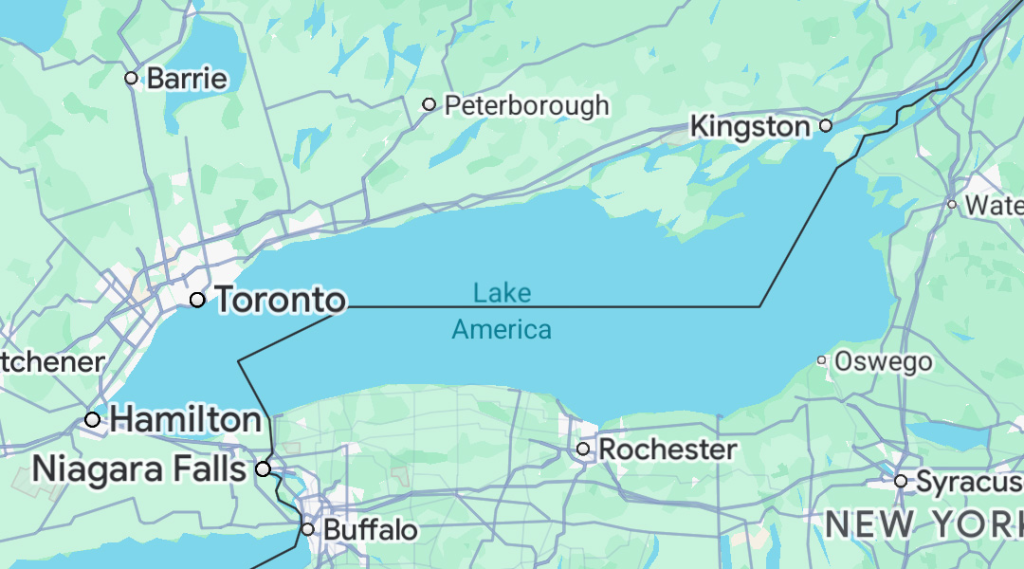
Open your Google Maps app in the U.S. and search for Lake Ontario. It’s gone. “Lake America” sits in its place — no glitch, no corrupted cache. This is deliberate. On August 27, 2026, Trump signed an executive order renaming Lake Ontario for all U.S. federal usage. The U.S. Geographic Names Information System (GNIS) — the government’s official geographic names database — updated accordingly, and Google followed. The real question isn’t whether Trump can rename a lake. It’s what it reveals about who actually controls the map you navigate by.
One Database, One Domino Effect
A single federal database update was all it took to change what every American Google Maps user sees.
Google Maps sources its U.S. place names directly from GNIS, maintained by the U.S. Geological Survey. When GNIS updates, Maps updates — automatically, for every American user. Google’s own blog confirmed this is “long-standing policy.” Trump’s executive order didn’t rewrite your phone. It rewrote one federal database, and Google did the rest.
- U.S. users see “Lake America”
- Canadian users see “Lake Ontario” — unchanged
- Everyone else sees “Lake Ontario (Lake America)”
Meanwhile, Waze and Apple Maps still show “Lake Ontario” as of August 30–31, according to 9to5Google. MapQuest went viral with a post stating simply: “We’re not changing it.” Sometimes the underdog gets the best line. White House Communications Director Steven Cheung celebrated Google’s compliance by posting “It’s official! LAKE AMERICA on Google Maps,” per the BBC — treating a database update like a geopolitical trophy.
Canada Has Thoughts. And a Sign.
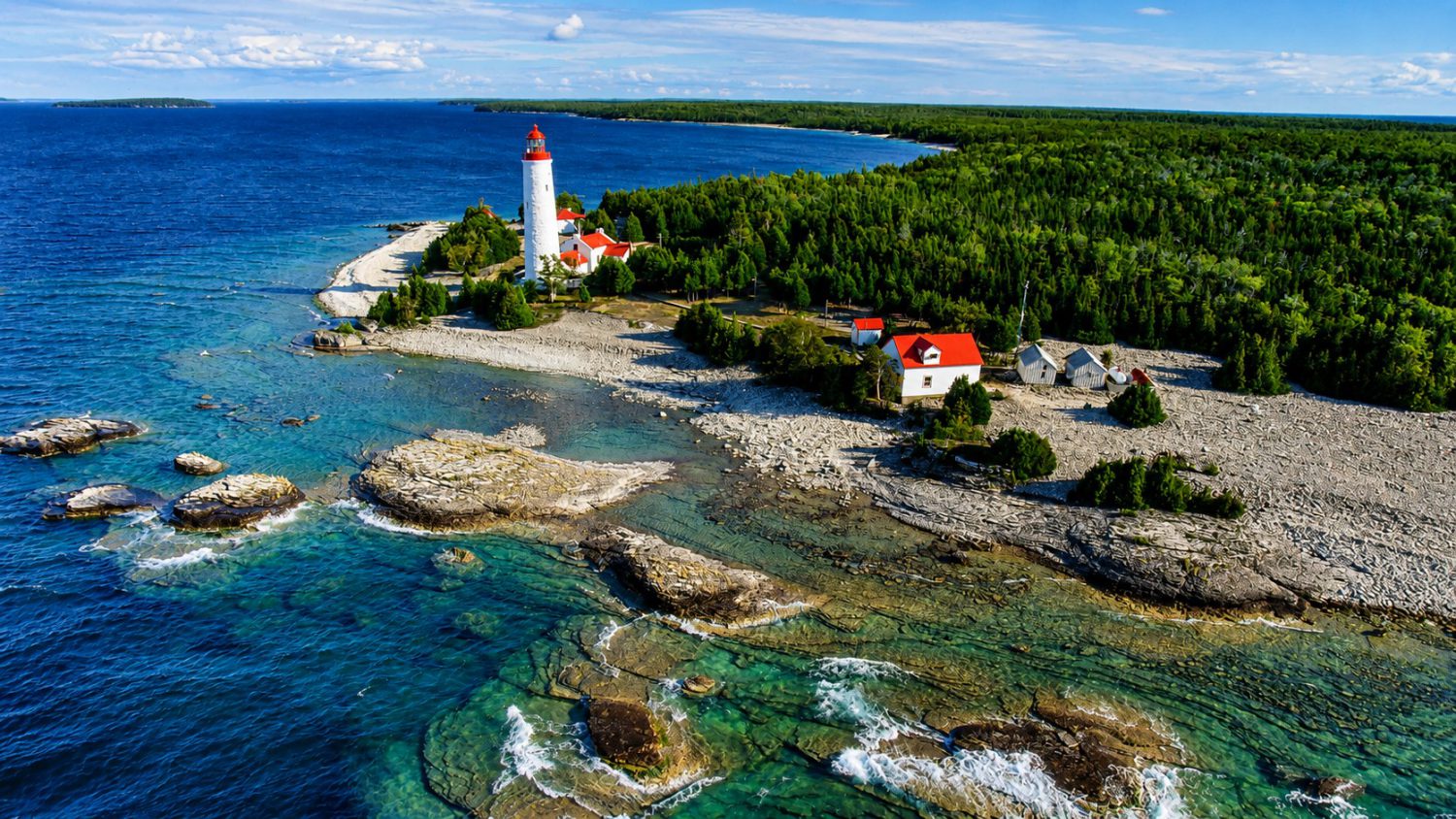
One shoreline, two names, and zero ambiguity about where Canada stands.
Canadian Prime Minister Mark Carney stated Canada would “forever” call it Lake Ontario, according to CNBC. Ontario Premier Doug Ford went further, erecting a large sign on the Canadian shoreline reading “Lake Ontario – Now and Always” and releasing a video declaring that “long after President Trump is gone, it will still be called Lake Ontario,” per the BBC. The lake has carried its name for over a century — through international treaties, indigenous naming histories, and diplomatic records going back generations.
Legally, this rename has sharp limits. A former federal prosecutor quoted by CNN called Trump’s order “zero impact” outside U.S. jurisdiction. Geographic and legal experts cited by Al Jazeera confirmed no global authority can compel other nations to adopt “Lake America.” The Boundary Waters Treaty, which governs the shared lake, says nothing about what to call it — a reminder that symbolic power and binding authority are rarely the same thing.
This Map Has Always Been Political
Denali, Gulf of America, and now Lake America — the pattern is older than your phone.
This isn’t unprecedented. Google previously added “Gulf of America” for U.S. users while keeping “Gulf of Mexico” globally. The Denali versus Mount McKinley dispute played out along similar lines. Maps have always been political documents — they just used to be printed. The difference now is that a single government database update rewrites what roughly 330 million Americans see in real time. If platforms keep following unilateral national renamings without friction, the fragmented map risks becoming permanent — one lake, two names, zero consensus.