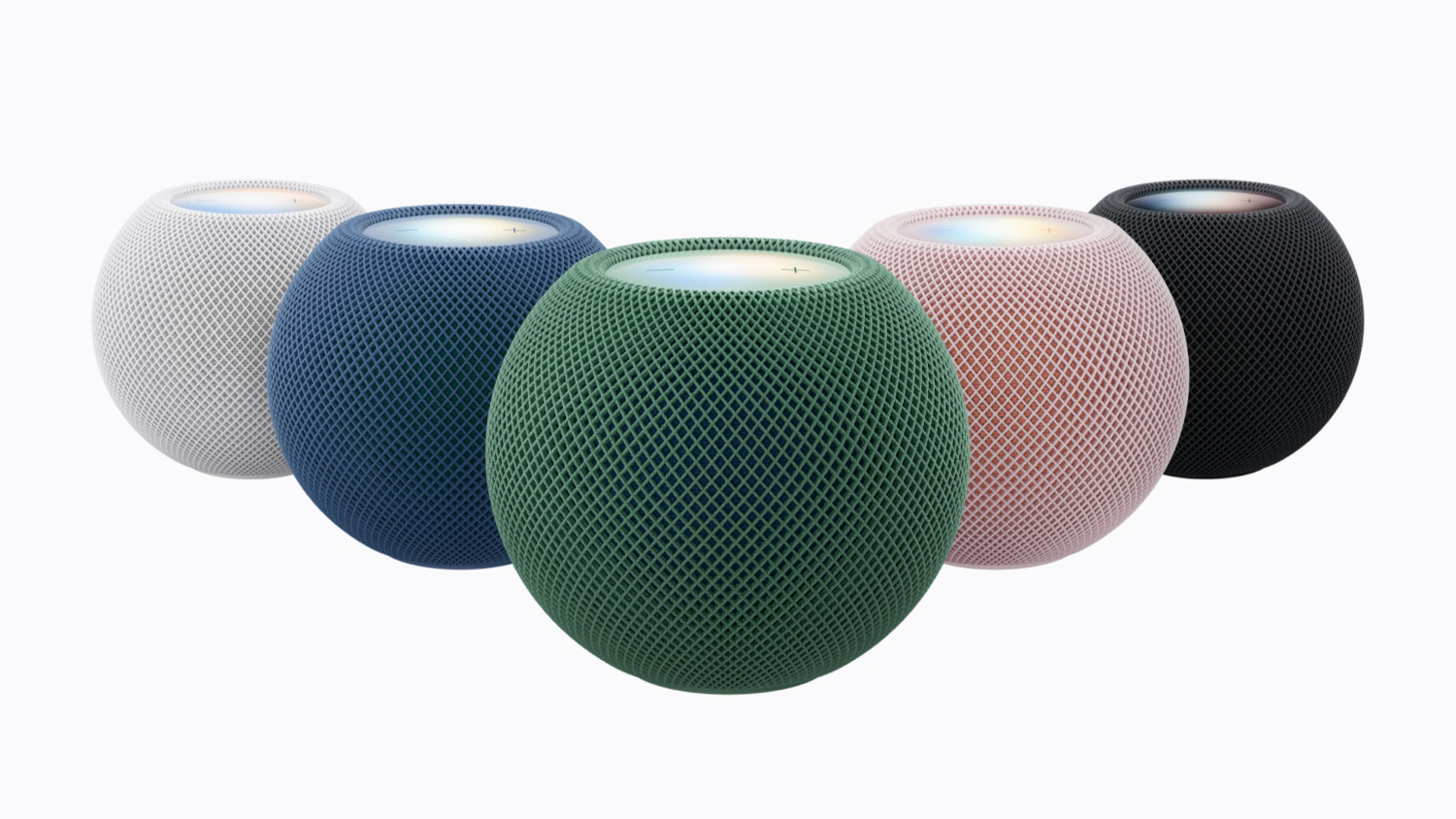
Apple’s HomePod mini 2 is available starting October 30 at $149. The expanded Siri AI features that anchor its marketing are planned for a later free software update, and Apple has not announced a release date.
That matters if you’re weighing an upgrade from the original HomePod mini or comparing against Amazon Echo and Google Nest alternatives. You’re not just buying hardware; you’re partly buying a promise.

What You Actually Get on Day One
The launch-day hardware is confirmed and capable, though audio quality claims come from Apple’s announcement materials and have not been independently verified.
The S10 chip drives real-time computational audio that Apple says optimizes dynamic range and loudness in real time. Confirmed features at launch include:
- S10 chip with real-time computational audio optimization
- 360-degree audio, configurable as a stereo pair, multiroom setup, or four-speaker surround sound with a fourth-generation Apple TV 4K (four HomePod mini 2 speakers required)
- Sound Glow, a top-display effect that pulses to music using album-art colors and shows animations for ambient soundscapes
- Voice recognition for up to six household users, each connected to their own Apple devices
- Smart-home hub functions covering locks, lights, thermostats, and automations, plus Sound Recognition for smoke and carbon-monoxide alarm notifications
The speaker can also serve as a default audio output for your Mac, covering movies and FaceTime calls. Design stays compact and mesh-covered, now available in pink, green, blue, white, and midnight.

The Feature That Isn’t Here Yet
Siri AI is the whole pitch, and it has no confirmed release date, per TechRadar’s launch coverage.
Apple’s marketing centers on an updated Siri that holds natural conversations, draws on personal context across your apps, and connects to broader web knowledge. According to TechRadar, that feature arrives as a free future software update with no confirmed release date.
Apple says the updated assistant will find a song mentioned in a text message and create a reminder tied to a calendar event or location. It can also pull a recipe from your email and add ingredients to a grocery list. These are Apple’s stated use cases, not tested capabilities.
There is also a compatibility requirement worth knowing before you order. The Home administrator needs an Apple Intelligence-enabled iPhone or iPad running current software, with a supported language configured. If your setup does not meet that requirement, the signature feature does not follow.
Price and Who This Actually Makes Sense For
At $149, the value calculation depends heavily on what is already in your home.
The original HomePod mini launched at $99. It had already climbed to $129 in the U.S. before this announcement, according to TechRadar. The new model adds $20 to that figure. Regional pricing lands at £149 in the UK and A$229 in Australia.
For buyers already running Apple Music, Apple TV 4K, and HomeKit accessories, the ecosystem integration makes a reasonable case on hardware alone. For anyone outside that setup, the calculus is harder. The strongest argument for HomePod mini 2 over a competing smart speaker is Siri AI, and that argument cannot be tested until the feature actually ships.
Preorders opened October 13, and the speaker is available starting October 30. The feature that defines it arrives whenever Apple says it’s ready.