On many Massachusetts highways, cameras have been watching — not occasionally, but continuously. Stationary units, vehicle-mounted devices, handheld readers: all scanning every plate in range, logging every pass, feeding a centralized database that accumulated hundreds of millions of records, according to ACLU case materials. Most residents had little idea the Massachusetts State Police maintained its own statewide surveillance app-backed network. A Suffolk County Superior Court just ruled that changes. The State Police must now disclose where those cameras are and how troopers search the database. This isn’t a ban. It’s basic accountability, finally forced by a judge.
The Network Nobody Told You About
A statewide surveillance system operated for years with little public visibility — and the ACLU spent more than five years trying to get basic answers about how it worked.
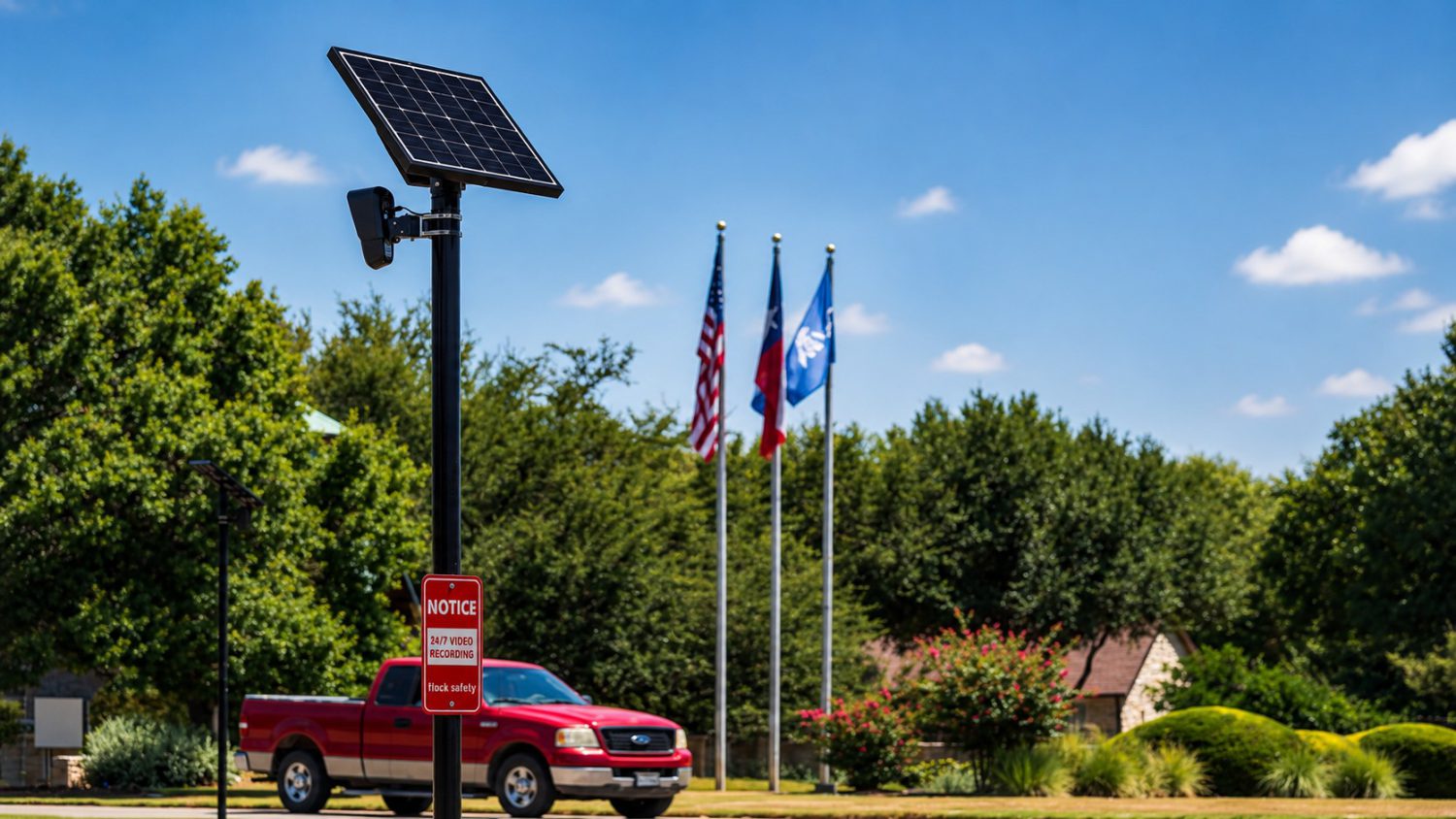
Automatic license plate readers function a bit like a streaming service quietly harvesting your watch history — the product feels free until you read the terms. Stationary cameras, vehicle-mounted units, and handheld devices all continuously scan every plate in range, feeding one central database. According to ACLU case materials, that database holds hundreds of millions of records. Kade Crockford, ACLU of Massachusetts technology and justice program director, put it plainly: residents organizing against local Flock cameras deployments “don’t know that the Massachusetts State Police maintains its own statewide network of license plate readers.” Separate system. Massive scale. No public map — until now.
What the court actually ordered:
- MSP must release statewide camera location data
- MSP must release audit logs showing when and why troopers searched the database
- License plate numbers will be redacted to protect active investigations
- MSP’s “critical infrastructure” and “ongoing investigation” exemptions were rejected as inapplicable
- The ACLU filed suit in November 2023 after more than five years of failed public-records requests
“People from cities and towns across the state have been organizing to push back against local police adoption of Flock and other license plate readers,” said Crockford — even as MSP’s parallel statewide network remained largely invisible to those same communities.
A National Pattern: Cameras Out, Accountability In
Florida pulled Flock cameras from state highway rights-of-way entirely; Massachusetts is forcing open the records — two states, one shared reckoning with surveillance that expanded faster than any oversight could keep up.
Massachusetts isn’t alone. Florida’s Department of Transportation revoked permits for Flock and similar ALPR systems on state highway rights-of-way, citing “reports of misuse, data privacy concerns, and surveillance schemes,” according to ABC News. Florida DOT Chief Operating Officer Will Watts wrote that those concerns “merit immediate action to preserve Floridians’ sovereignty and quality of life.” One state removes the hardware. Another forces open the records. Different tactics, same diagnosis: this technology scaled up fast, with too little public oversight attached — a pattern mirrored by cases of authorities secretly tracking users through other means as well.
Law enforcement’s case for ALPRs isn’t without merit — the technology does locate stolen vehicles, identify suspects, and support active investigations. Massachusetts’s own Supreme Judicial Court acknowledged in 2020 that limited ALPR use didn’t violate constitutional rights in the specific case before it, while warning that pervasive deployment could implicate the “whole of a person’s public movements.” The Suffolk Superior Court’s ruling doesn’t resolve that constitutional question. It simply ensures the public can finally see the map.
Transparency over where and how residents are tracked is now an enforceable right in Massachusetts. What happens when that transparency reveals something the public isn’t ready for — that’s the harder question, and it’s already on its way.