The global motorcycle landscape is undergoing rapid transformation, with some manufacturers pushing past 250,000 annual units while others struggle to maintain relevance. Understanding which companies are genuinely shaping 2026 requires cutting through marketing noise and examining product range, reliability, affordability, and market momentum. This analysis delivers unvarnished insights into the brands defining the next era of two-wheeled performance.
27. KTM
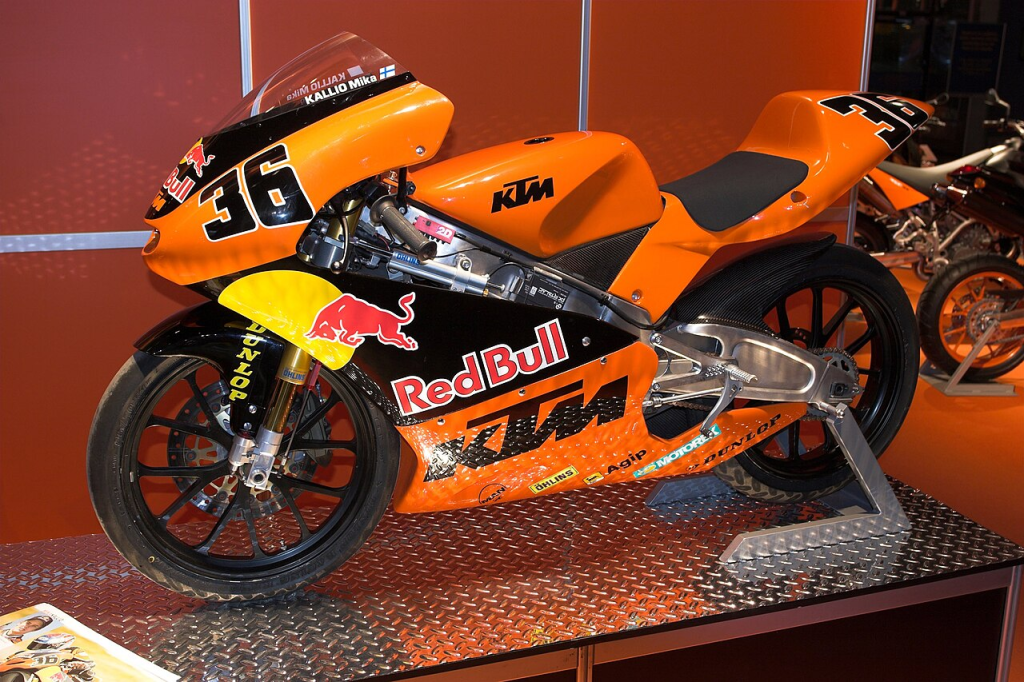
Austrian performance meets global ambition through strategic partnerships.
KTM recently extended its standard warranty to four years, signaling the brand’s effort to address its long-standing reputation for reliability concerns. Online forums consistently discuss mechanical fragility, particularly the infamous camshaft issues that plague their MotoGP bikes. Despite these challenges, KTM maintains an aggressive market posture under Pierer Mobility ownership, with Bajaj Auto securing effective control since 2025.
The company co-produces mid-size LC8c parallel-twin models—like the 790 Duke and Adventure—with CFMOTO in Hangzhou, China, balancing global reach with production efficiency. This extended warranty represents a serious attempt to rebuild rider trust, though whether it succeeds remains uncertain. Their track-exclusive RC 8C, priced around $40,000, sold out quickly despite limited production, highlighting intense demand for raw performance even when reliability questions persist.
26. KTM RC 8C
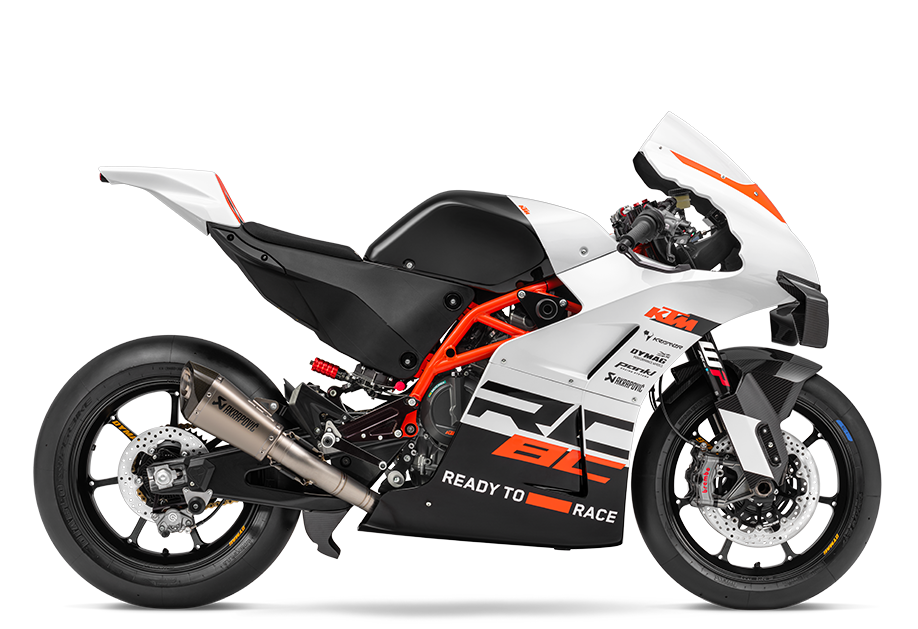
Limited-production track weapon engineered for serious lap-time hunters.
KTM manufactured a limited run of the RC 8C, creating a rare, track-exclusive machine built for dedicated riders. Its 889 cc LC8c parallel-twin engine delivers 135 hp at 11,000 rpm, paired with roughly 98 Nm of torque for aggressive acceleration. This isn’t casual Sunday riding territory; it’s precision espresso for speed enthusiasts, delivering intense performance with every throttle twist.
A chromoly tubular space frame underpins this performance, complemented by fully adjustable WP APEX PRO/XACT PRO suspension for precision handling. Dual 290 mm front discs with Brembo Stylema radial calipers provide fierce stopping power. With a dry weight of 142 kg, the RC 8C is a minimalist weapon for riders whose happy place involves shaving tenths off lap times.
25. BMW Motorrad
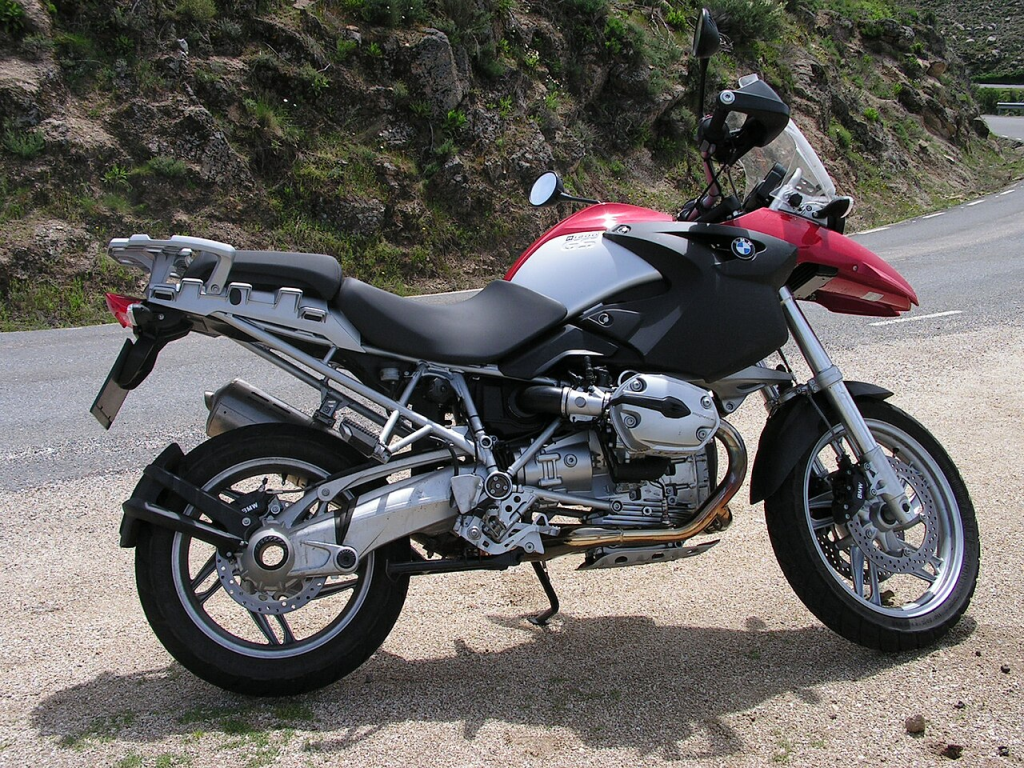
Premium German engineering prioritizes touring excellence over track aggression.
BMW Motorrad’s flagship GS line accounts for roughly one-third of their business, with models like the R 1300 GS dominating the premium touring segment. This German marque prioritizes robust engineering and advanced electronics over raw track-focused aggression. Their S 1000 RR, despite its superbike pedigree, achieves middle-of-the-road performance in World Superbike, signaling a broader focus than pure race glory.
The brand’s pricing model functions less like a fixed menu and more like an à la carte restaurant. Standard models serve as starting points, with essential features locked behind various option packages. This makes the true out-the-door price notoriously unclear for buyers. Consequently, BMW Motorrad maintains a static market position, appealing to established, affluent clientele rather than actively pursuing new segments.
24. BMW S 1000 RR
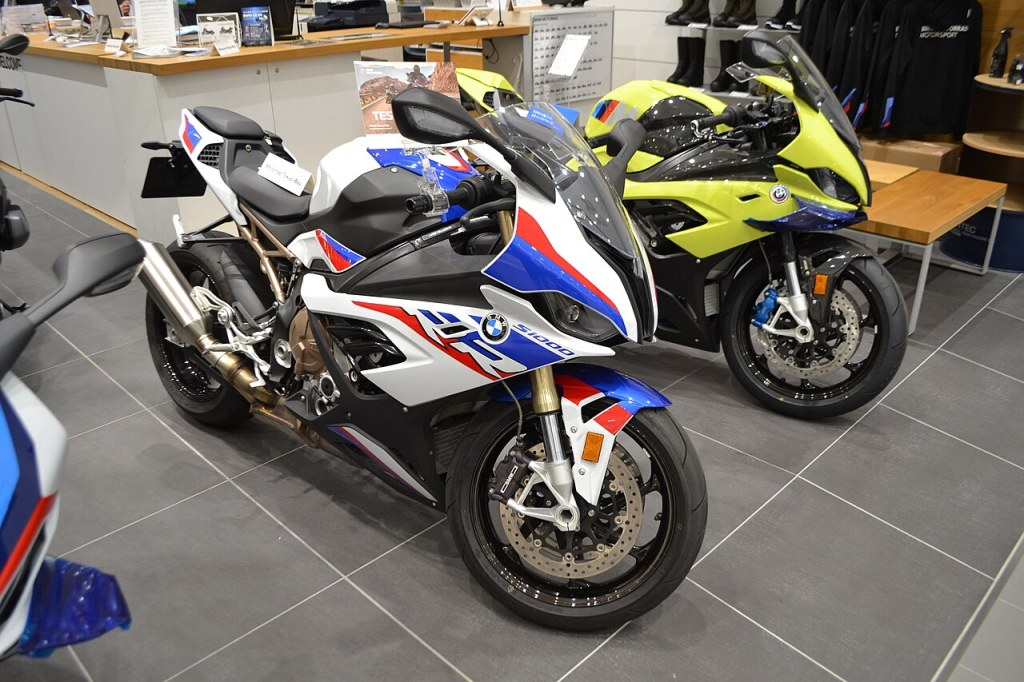
Sophisticated electronics transform raw power into manageable performance.
Boasting 210 hp (155 kW) in its current Euro 5 spec, the BMW S 1000 RR defines the liter-class superbike segment. Its 999 cc liquid-cooled inline-four engine features BMW ShiftCam variable intake cam technology, delivering a potent 113 Nm (83 lb-ft) of torque. This power unit integrates into an aluminum bridge frame, serving as a stressed member.
The 45 mm USD front fork and dual 320 mm front discs provide a sharp, responsive front end. Sophisticated electronics manage the bike’s ferocious output through multiple riding modes, traction control, cornering ABS, launch control, and a quickshifter. These systems work in concert, transforming brutal power into fluid control without demanding constant wrestling.
23. Royal Enfield
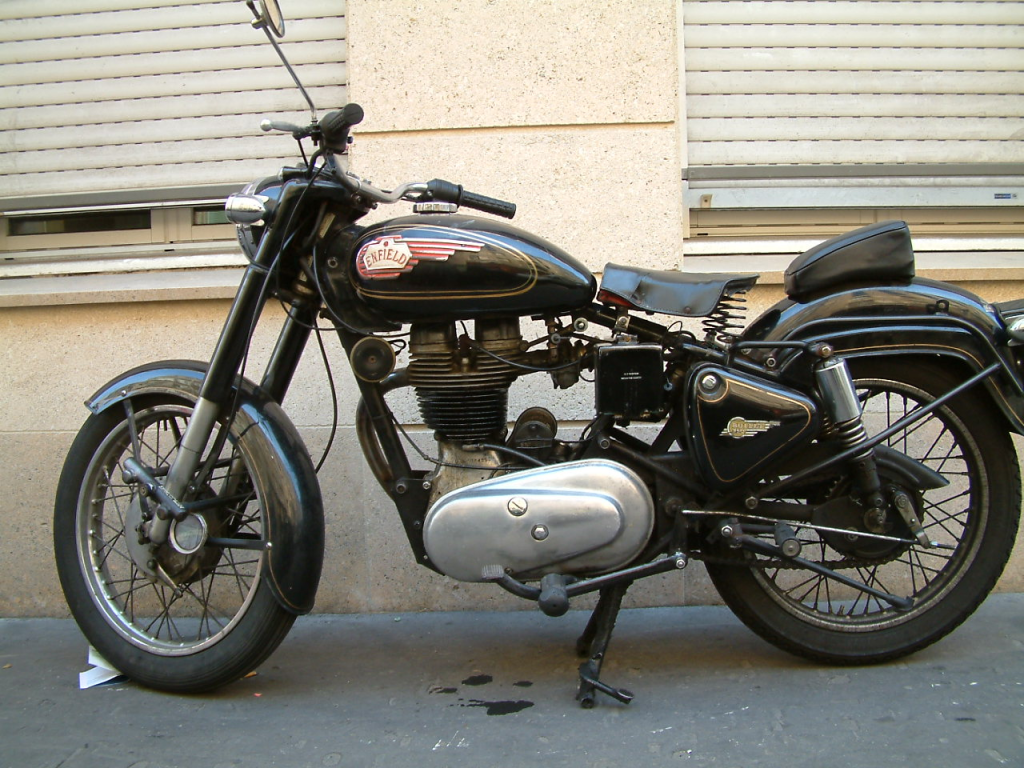
Indian manufacturer transforms from nostalgic niche to global growth story.
Around 2017–2018, Royal Enfield initiated a dramatic global comeback. This transformation started with its 650 twin platform, spearheaded by the Interceptor 650, injecting modern reliability into its retro charm. The brand entirely revamped its production facilities across India, shifting from antiquated workshops to automated plants capable of high-volume, quality output.
This methodical approach allowed Royal Enfield to achieve consistent 25–30% year-over-year growth. The company’s deliberate product development refines classic motorcycling for a global audience, proving patience sometimes wins races. With bikes like the Interceptor 650 producing approximately 47 hp at 7,250 rpm, Royal Enfield has solidified its growing presence in markets far beyond its Indian roots, offering roughly 80% of a premium experience at 50% of the cost.
22. Royal Enfield Interceptor 650
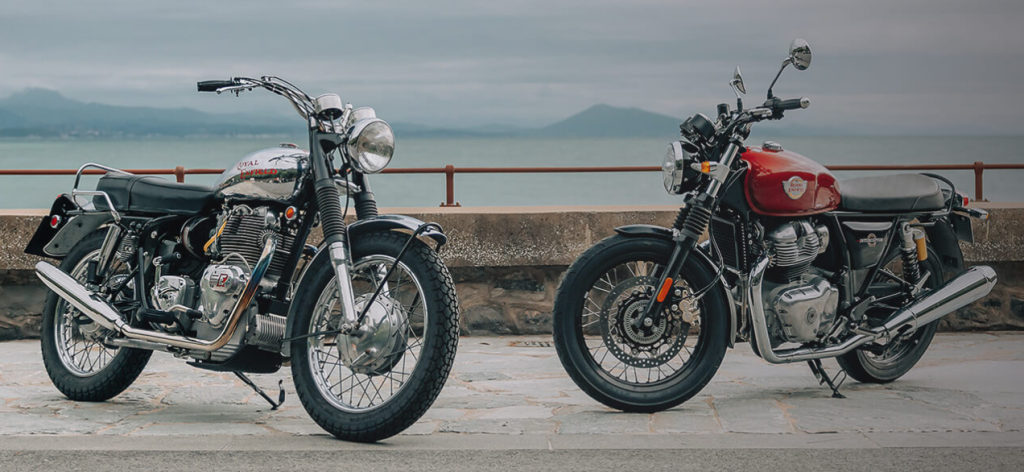
Classic British twin aesthetic meets Indian affordability and reliability.
The Royal Enfield Interceptor 650 offers built-in value, making it a compelling retro roadster choice. This bike’s core appeal lies in uncomplicated mechanics and classic British twin aesthetic without the usual premium price tag. Power comes from a 648 cc air-and-oil-cooled SOHC 270° parallel twin engine, delivering a modest but accessible 47 hp at 7,250 rpm and 52 Nm of torque around 5,150 rpm.
Its steel tubular double-cradle frame provides a stable foundation, coupled with a 41 mm telescopic fork and twin rear shocks for a plush ride. Rolling on 18-inch spoked wheels, the bike carries a kerb weight of 218 kg (481 lb). After some early production hiccups, Royal Enfield largely sorted out the gremlins; this machine now stands as a reliably simple companion for riders who value genuine, unpretentious motorcycling experiences.
21. CFMOTO
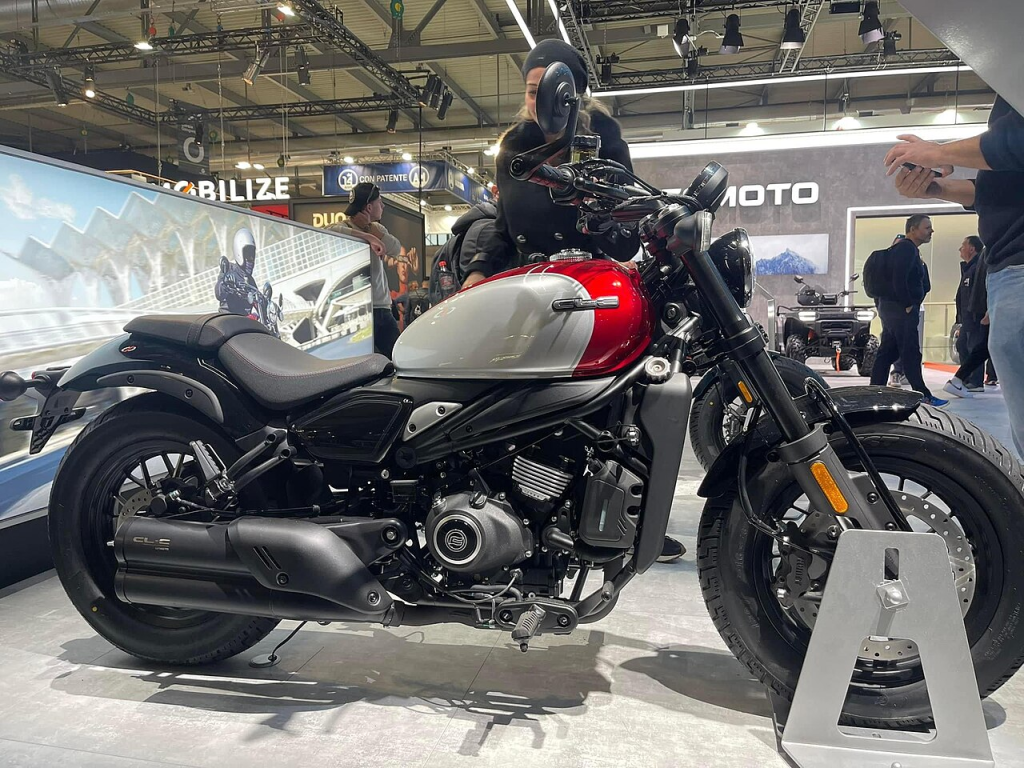
Chinese manufacturer disrupts market hierarchies with aggressive value proposition.
Global motorcycle sales for CFMOTO jumped 79% last year, pushing unit sales past 250,000 units in 2025. This Chinese manufacturer, once viewed with skepticism, now significantly outpaces some European competitors. Its aggressive strategy leverages volume and sharp pricing, establishing CFMOTO as a formidable contender in beginner and intermediate segments.
The company’s product philosophy integrates premium features at accessible prices, offering LED light-up sequences, Brembo brakes, and full-color TFT displays. This blend of tech and value is reshaping market expectations. Growing U.S. dealer support and motorsports involvement, including a MotoGP feeder series, authenticate CFMOTO’s engineering credentials and signal serious long-term ambitions.
20. Ducati
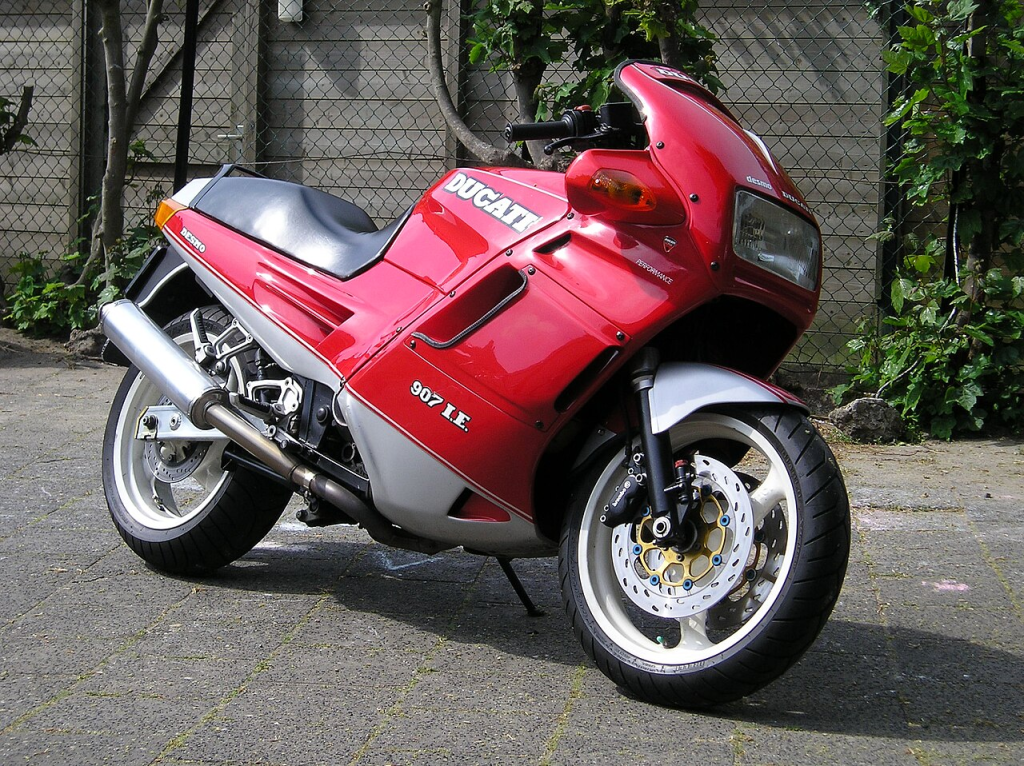
Italian premium brand demands passion-project commitment from owners.
Ducati earns its reputation as the Porsche of the motorcycle world, delivering high-performance machines built for speed and exclusivity. This Italian powerhouse, part of the Volkswagen Group through Audi ownership, pours its engineering might into creating some of the most desired sportbikes. Intense engagement with MotoGP and World Superbike means race-bred technology directly influences street models.
The Panigale V4 produces 216 horsepower in its standard trim, ensuring blistering track capability. This pedigree comes with a distinct price tag; expect to pay 30–40% more for everything from parts to routine maintenance compared to many other brands. While reliability concerns once lingered, Volkswagen’s acquisition brought noticeable improvements. For experienced riders, a Ducati isn’t just transportation; it’s a high-octane commitment that demands a premium for unrivaled Italian flair and engineering.
19. Ducati Panigale V4
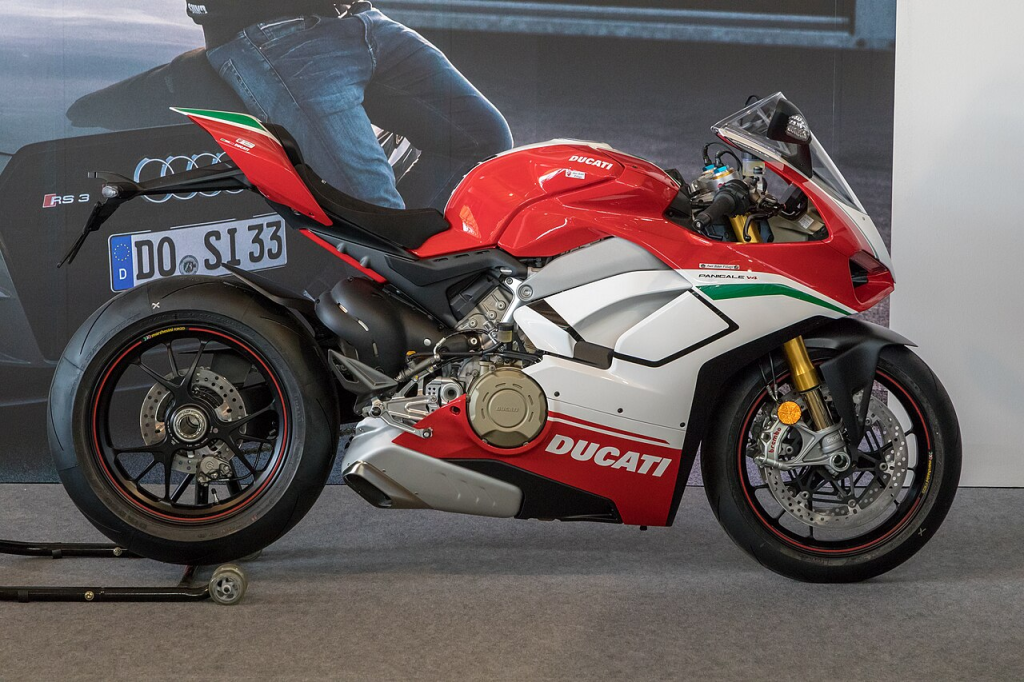
Race-bred Desmosedici Stradale engine delivers devastating track performance.
The Ducati Panigale V4 establishes itself as one of the most potent production superbikes available. Its heart is the Desmosedici Stradale 90° V4 engine, displacing 1,103 cc in standard trims and 998 cc in the V4 R model. This Italian marvel uses desmodromic valve control and a counter-rotating crankshaft, with raw output hitting 216–218 hp for the 1,103 cc versions.
That kind of power needs serious stopping force. The Panigale delivers with high-spec Brembo brakes, often featuring Stylema calipers and substantial 330 mm discs. Its aluminum frame pairs with advanced Öhlins or equivalent suspension. This isn’t casual riding; it’s piloting a machine engineered solely for track dominance, where every component prioritizes speed.
18. Ducati Panigale V2
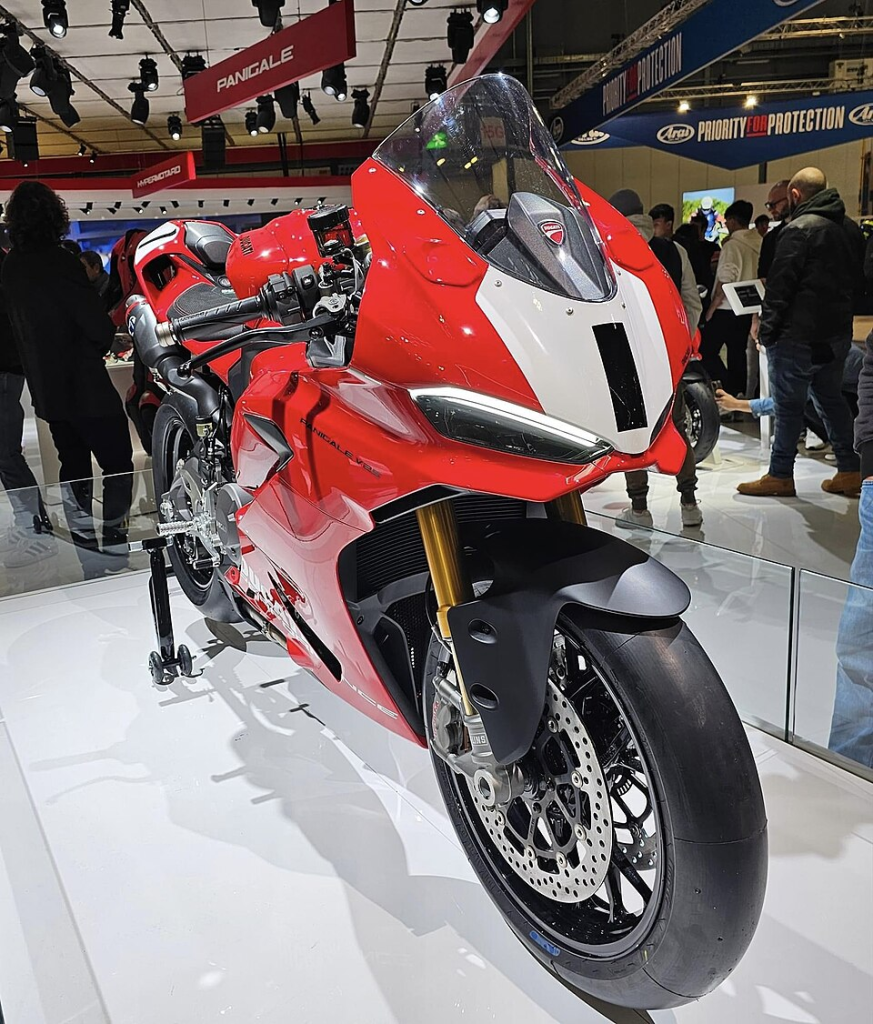
Engineering shift to spring valves modernizes middleweight supersport platform.
Ducati, long revered for its distinctive desmodromic valve systems, has moved to a more conventional spring-actuated valve gear for its 2025 Panigale V2, marking a notable engineering shift. This middleweight supersport now runs an 890 cc liquid-cooled 90° V-twin engine with 4 valves per cylinder, delivering a claimed 120 hp at 10,750 rpm. The essence remains, but execution becomes more refined and maintenance-friendly.
This updated engine sits in an aluminum monocoque frame, paired with fully adjustable suspension, providing balanced handling that makes it a scalpel on winding roads. The bike handles with precision, offering feedback that lets riders push its limits with confidence. Comprehensive electronic aids, including cornering ABS and multiple riding modes, deliver polished control whether carving canyons or commuting.
17. Aprilia
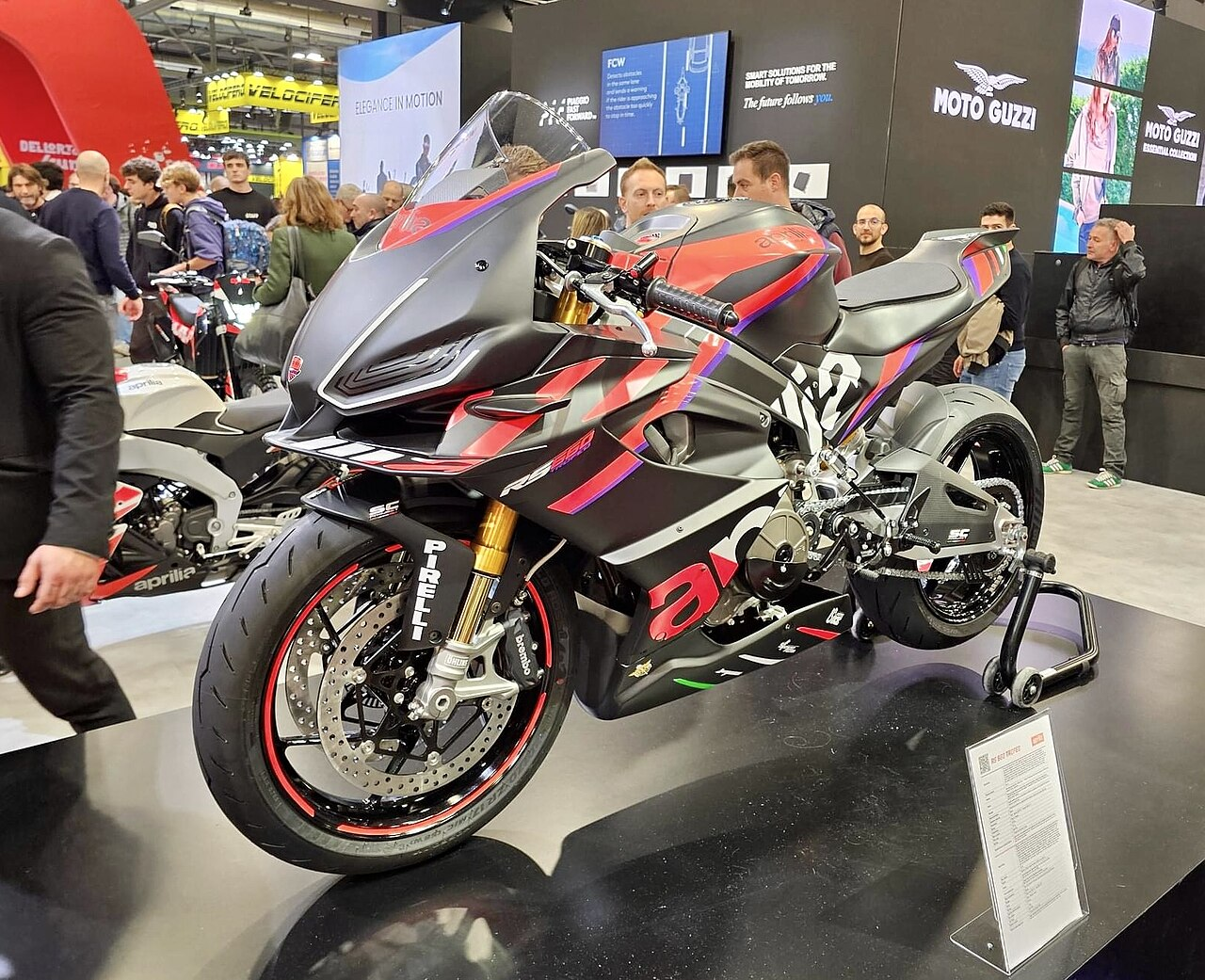
Piaggio Group membership delivers Italian exoticism with practical accessibility.
With 100 hp on tap from its RS 660, Aprilia offers Italian exoticism that’s more attainable than high-strung counterparts. As a key player in the Piaggio Group, Aprilia smartly shares components across its brands. This strategic commonality makes maintenance straightforward rather than a quest. Heavy involvement in MotoGP isn’t just for bragging rights; that race-honed technology directly trickles down.
Track-proven DNA finds its way into models like the RSV4 and RS 660, delivering genuinely sharp handling and advanced electronics. Aprilia has expanded its dealer network, making acquisition straightforward for riders in major metro areas like California, Texas, Florida, and New York. Italian performance now sits within surprisingly easy reach.
16. Aprilia RS 660
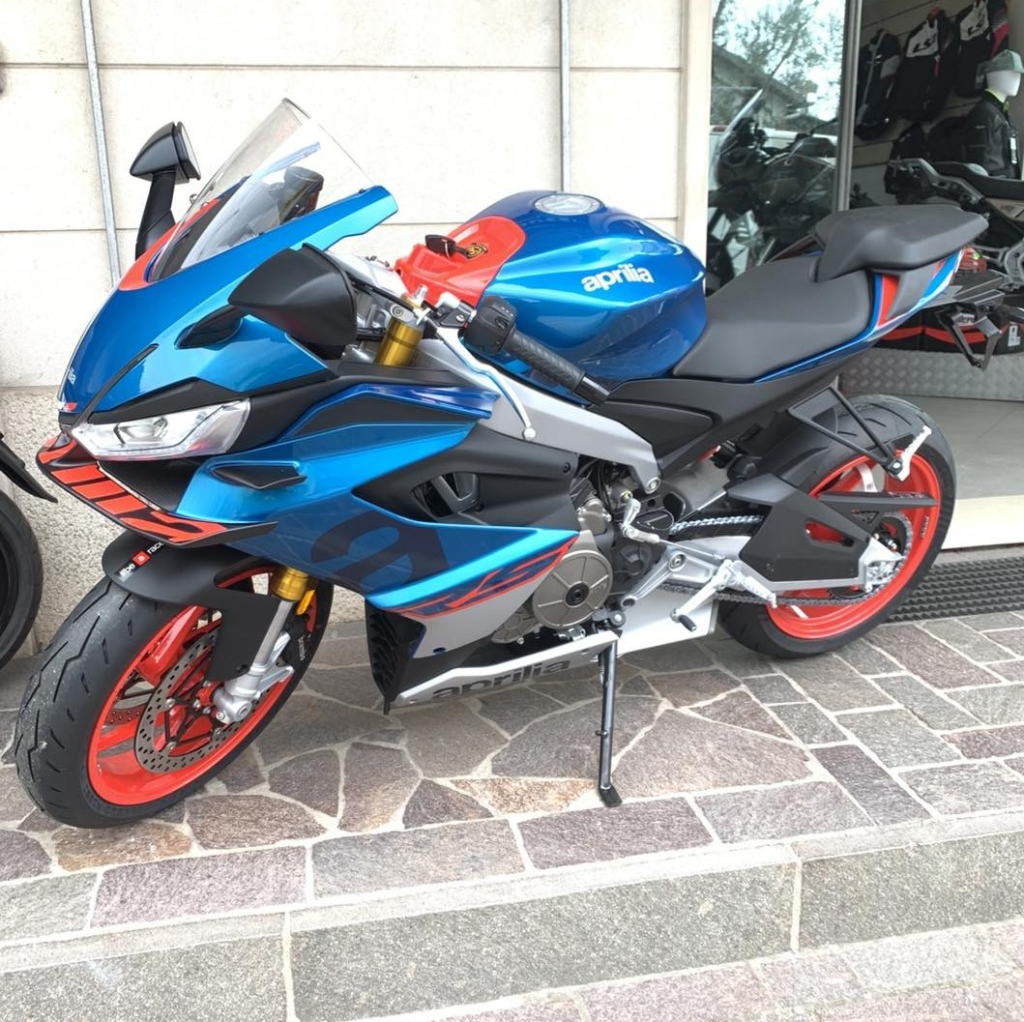
MotoGP-derived technology delivers accessible Italian performance.
The Aprilia RS 660 integrates rider aids with precision, offering comprehensive electronics for track and road. Its IMU-based cornering ABS and traction control provide confidence, while multiple riding modes and a quickshifter simplify power management. A 659 cc liquid-cooled DOHC parallel twin with a 270° crank produces 100–105 hp and 67–70 Nm of torque.
The engine acts as a stressed member within an aluminum twin-spar frame, contributing to a wet weight of around 183 kg (403 lb). A Kayaba 41 mm USD fork and Brembo radial front calipers gripping dual 320 mm discs provide responsive handling. Integrated aerodynamic winglets, straight from Aprilia’s MotoGP playbook, keep things planted at speed.
15. Suzuki
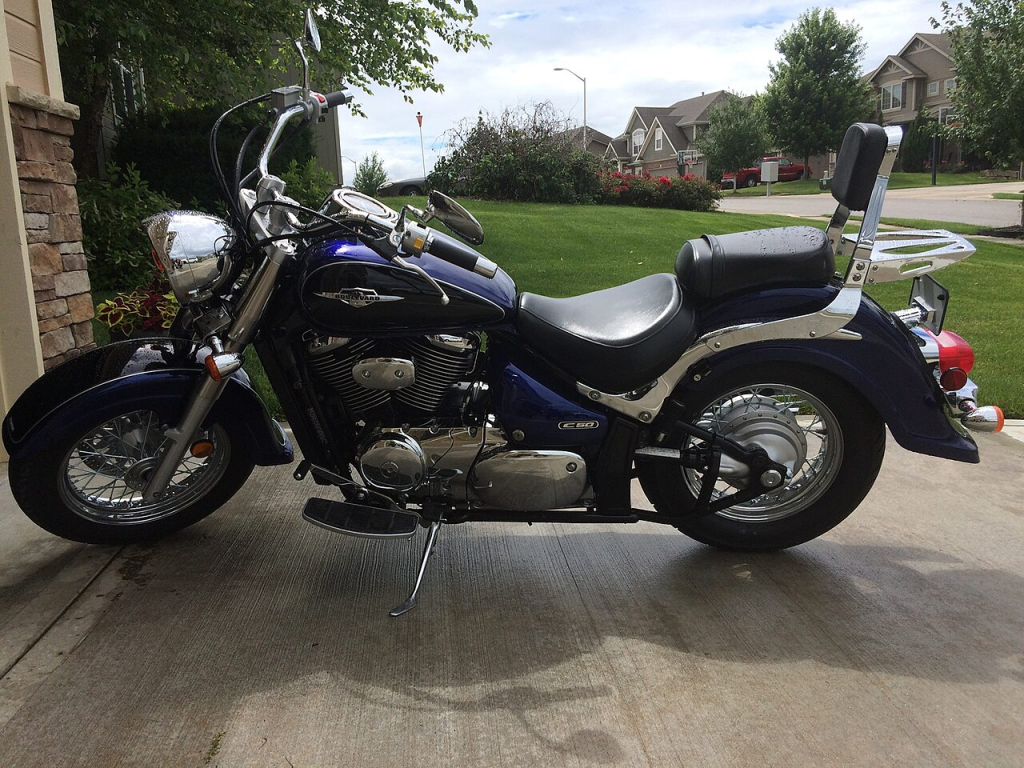
Conservative development philosophy prioritizes legendary reliability over innovation.
The Suzuki GSX-R 750, a motorcycle with research and development dating back approximately 20 years, still commands a $13,000 price tag. Suzuki’s strategy hinges on legendary reliability; its bikes are known for being unkillable. This commitment to robust, proven engineering ensures longevity, a value proposition many riders prioritize over cutting-edge features.
While rivals roll out annual refreshes, Suzuki takes a different path. A genuinely new model, with engine and frame built from the ground up, appears only every 15 years. This deliberate pace underscores a philosophy of refinement over rapid iteration, though it raises questions about long-term competitiveness in a dynamic market.
14. Suzuki GSX-R750
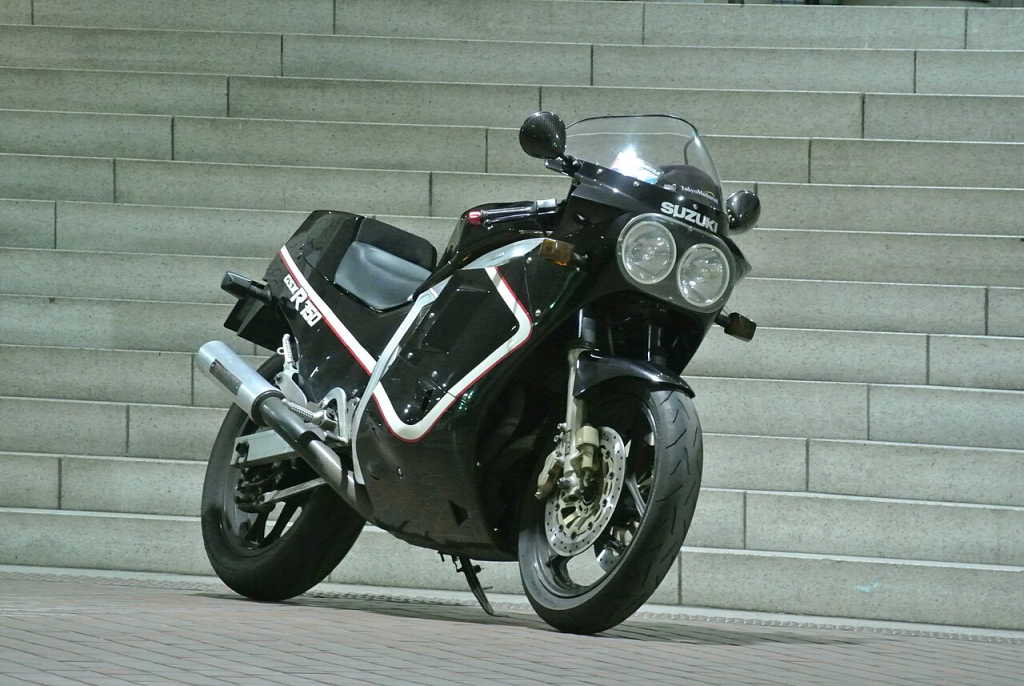
Traditional supersport balances liter-bike power with 600-class agility.
The Suzuki GSX-R750 maintains its legendary status as a supersport, effortlessly balancing liter-bike power with 600-class agility. Its 750 cc liquid-cooled DOHC inline-four engine, featuring 4 valves per cylinder and a robust 12.5:1 compression ratio, delivers raw, unfiltered performance that purists still covet. This traditional setup means direct control without excessive electronic intervention.
A strong foundation supports this power, built around an aluminum twin-spar frame. The suspension setup includes a Showa Big Piston Fork up front, paired with twin front discs measuring approximately 310 mm and clamped by Brembo radial-mount calipers. The machine’s curb weight stands at 190 kg (419 lb). This precise braking and chassis combination provides a direct feel, appealing to riders who prefer tactile connection over digital assistance.
13. Yamaha
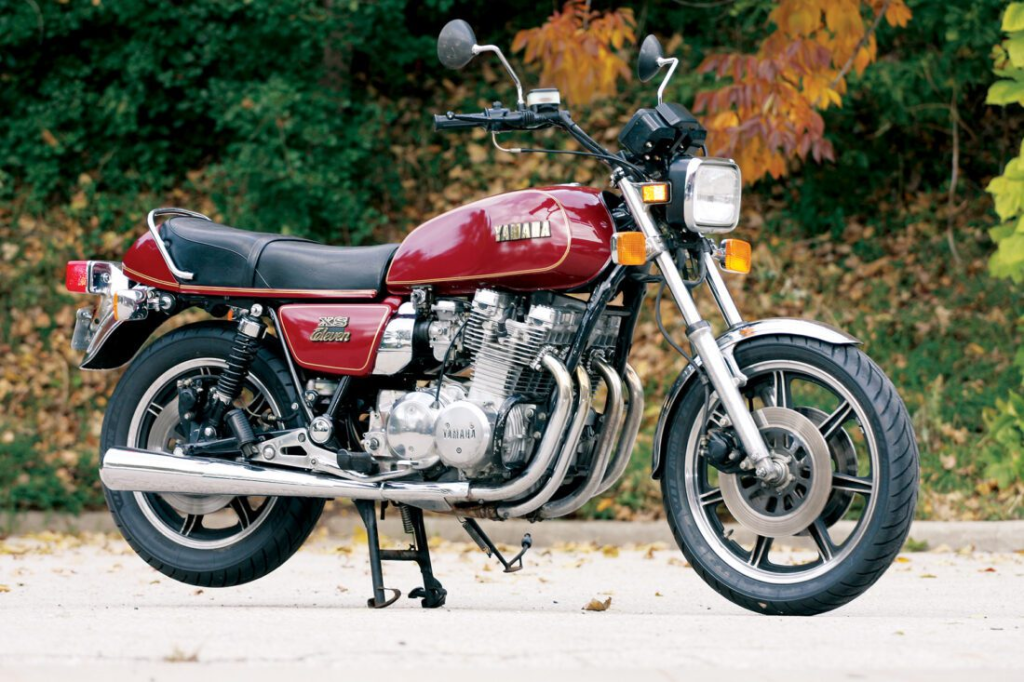
Proven platforms deliver reliable performance while innovation energy lags.
Yamaha’s historical impact on motorcycling spans decades of legendary machines and consistent racing triumphs. Their current lineup relies heavily on the 890 cc CP3 triple and 689 cc CP2 parallel twin platforms. These reliable workhorses deliver consistent performance in models like the MT-09, Ténéré 700, and R7.
However, their MotoGP program has struggled for years despite a recent V4 engine swap. Riding new Aprilia or Ducati products reveals a stark contrast in fresh energy. Reported frame cracks on some MT-09 models raise concerns. Yamaha’s proven performance comes at reasonable pricing, but truly groundbreaking innovation feels elusive when compared to European rivals pushing boundaries.
12. Yamaha MT-09
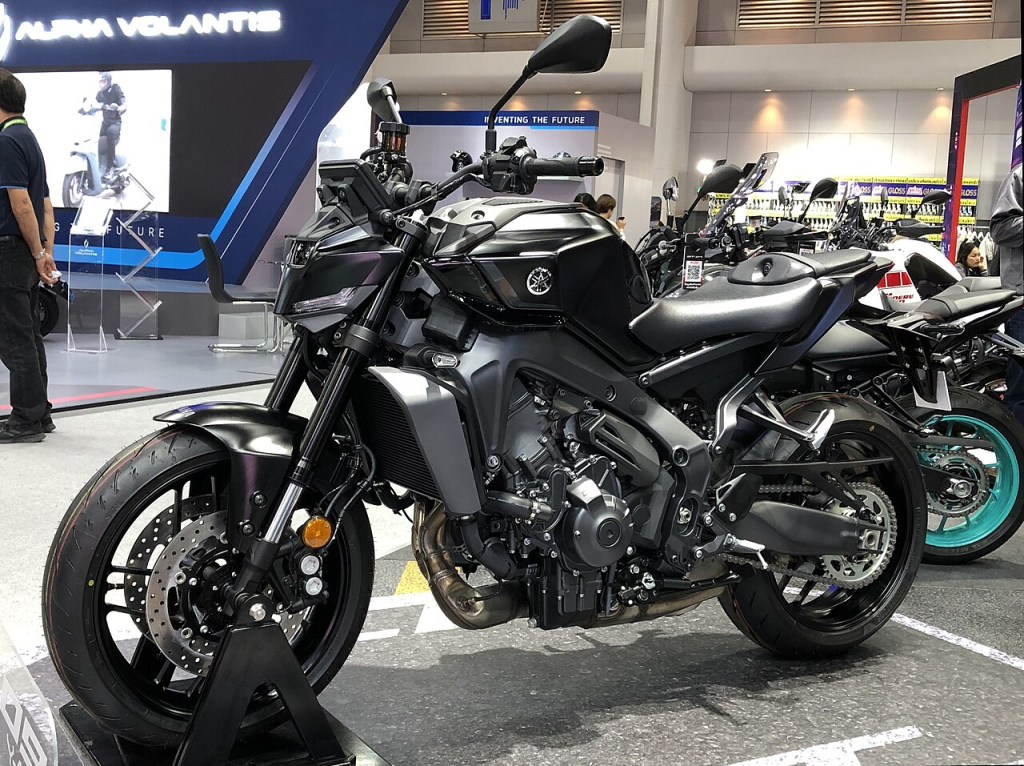
Torquey inline-triple defines middleweight naked sport segment.
The Yamaha MT-09 defines the middleweight naked sport segment with immediate, torquey power. Its 890 cc liquid-cooled DOHC inline-triple engine delivers a potent 117 hp and 68–69 lb-ft of torque. This aggressive setup provides instant, thrilling response. Every bit of that visceral pull comes through clearly.
A light cast aluminum frame effectively harnesses this output. Precise control comes from the 41 mm fully adjustable inverted front fork. Dual 298 mm front discs with 4-piston calipers and ABS provide confident stopping. This blend of robust mechanics and modern electronics secures the MT-09’s spot as a high-value, class-leading street machine.
11. Yamaha Ténéré 700
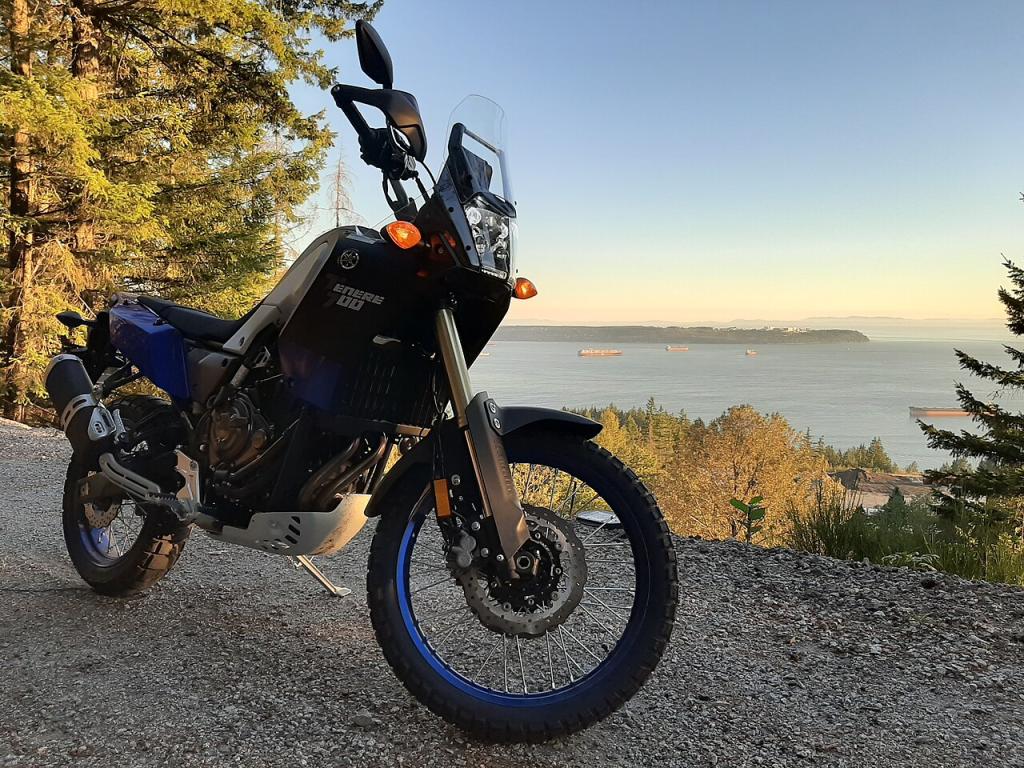
Raw simplicity and off-road capability define mid-capacity adventure benchmark.
The Yamaha Ténéré 700 prioritizes genuine off-road capability and uncompromising reliability, making it a benchmark for riders who want less fuss and more adventure. The heart of this machine is its 689 cc liquid-cooled DOHC parallel twin (CP2) engine, producing a robust 72–73 hp and 68 Nm of torque around 6,500 rpm.
This power plant sits within a durable steel diamond frame, paired with a 43 mm fully adjustable KYB USD fork that offers an impressive 8.3 inches of travel. Spoked 21-inch front and 18-inch rear wheels absorb impacts effectively. The Ténéré 700’s acclaimed reliability ensures riders spend more time exploring and less time wrenching, making it a trusted companion on any expedition.
10. Yamaha YZF-R7
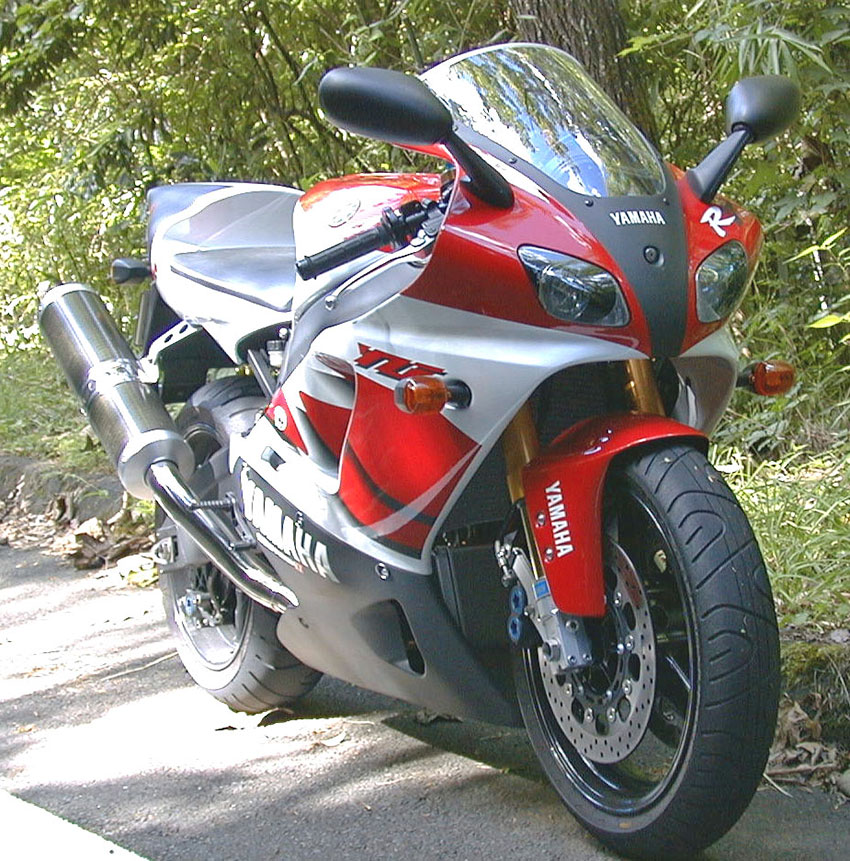
Accessible parallel-twin delivers track capability without premium pricing.
The modern Yamaha YZF-R7 swaps its predecessor’s inline-four heritage for an accessible approach, built around a 689 cc CP2 parallel-twin engine. This 4-stroke, 2-cylinder, liquid-cooled DOHC unit delivers track capability without requiring financial sacrifice. It employs a steel frame with sport-oriented ergonomics, a USD front fork, rear monoshock, and dual front discs with ABS, all tuned for predictable, engaging handling.
Measuring approximately 81.5 inches (207 cm) long with a 54.9-inch (139.4 cm) wheelbase, it’s a nimble package designed for riders who want to tackle corners with confidence. The combination of approximately 73 hp and 67 Nm of torque provides enough punch for spirited riding without overwhelming newer track-day enthusiasts.
9. Kawasaki
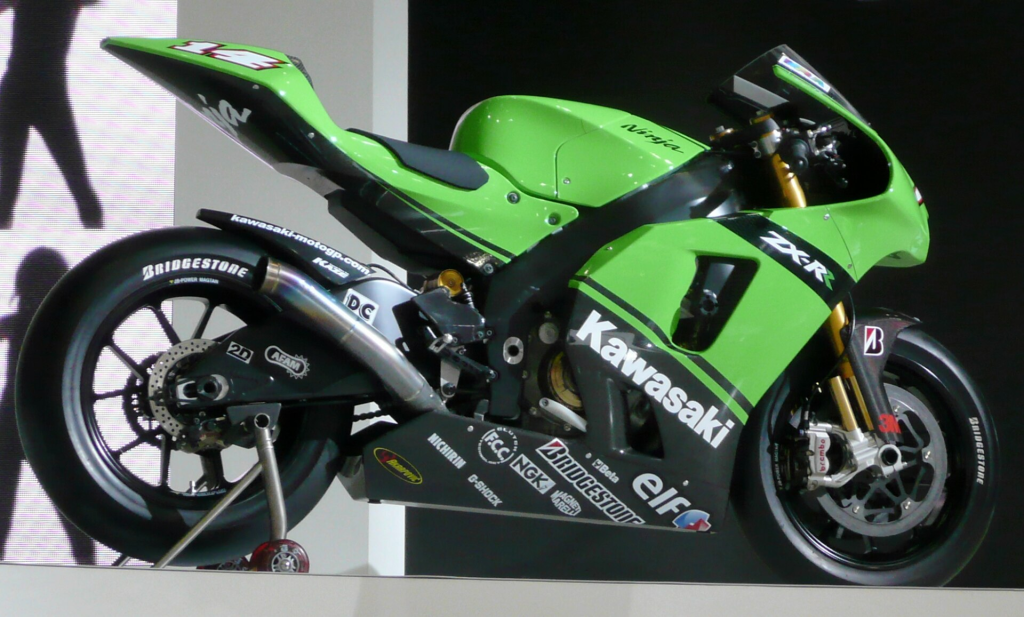
Engineering experimentation yields innovative machines despite occasional missteps.
Kawasaki operates with distinctive swagger, viewing engineering conventions as suggestions rather than rules. Their lineup features the 998 cc supercharged inline-four Ninja H2, hybrid motorcycles, and the high-revving Ninja ZX-4RR—a 399 cc inline-four sportbike that packs unexpected punch for its displacement. This daring approach often leads to genuinely exciting designs.
However, this experimental spirit isn’t without quirks; the ZX-6R faced an infamous bottom end recall. The motorcycle division functions somewhat as an exploratory project within the larger Kawasaki Heavy Industries, allowing latitude to build anything from shipbuilding parts to bikes that redefine speed limits. Their beginner-friendly Ninja 500 proves they understand accessibility alongside innovation.
8. Kawasaki Ninja ZX-4RR
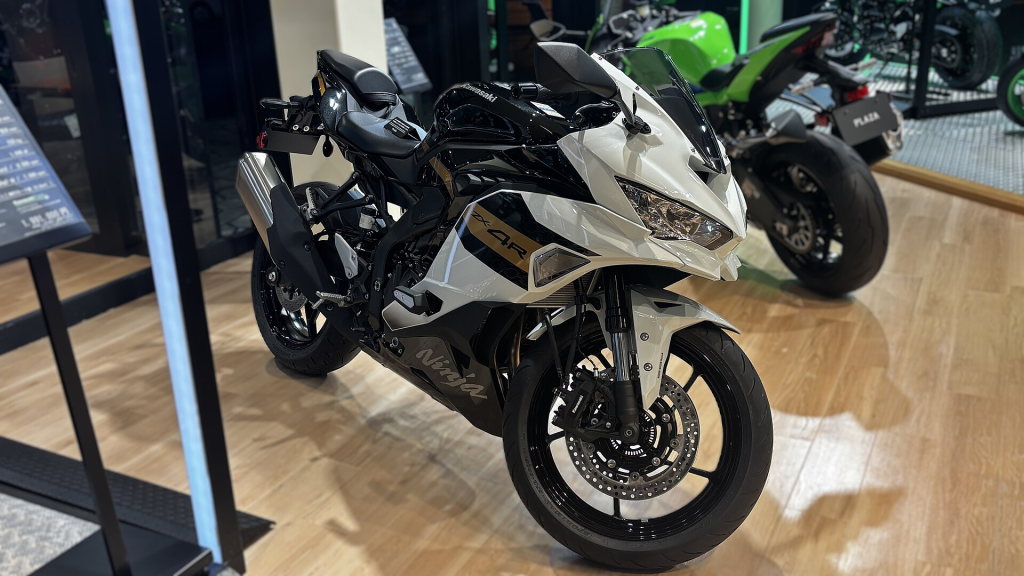
High-revving inline-four resurrects 1990s supersport character in modern package.
The small-displacement supersport segment received a jolt when Kawasaki reintroduced high-revving inline-four character with the Ninja ZX-4RR. This machine packs a 399 cc liquid-cooled DOHC inline-four engine, resurrecting the scream of the ’90s. With a bore and stroke of 57.0 mm x 39.1 mm and a compression ratio of 12.3:1, it produces between 56 and 77 hp depending on the market and ram-air benefit.
Its high-tensile steel trellis frame offers rigid precision needed when pushing limits. The bike ensures confidence on track with dual 290 mm front discs and radial-mount 4-piston monobloc calipers, providing stopping power that feels more expensive than the price tag. Kawasaki also integrated electronic features, including multiple ride modes and ABS, making it adaptable for both circuit attacks and spirited canyon carving.
7. Kawasaki Ninja 500
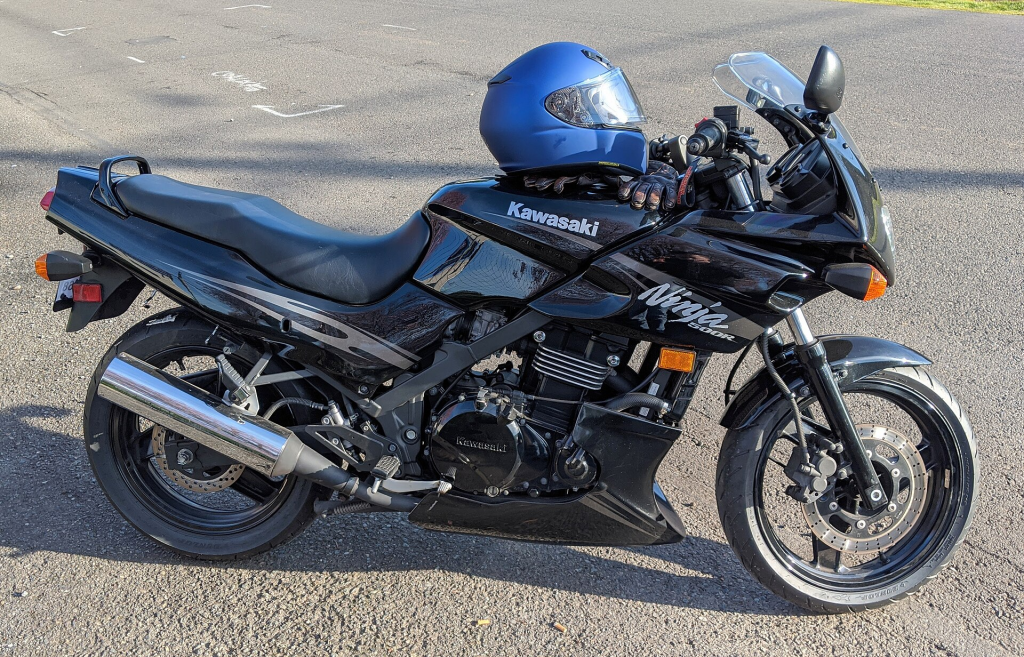
Forgiving entry point delivers confidence-building sportbike experience.
New riders often gravitate to the Kawasaki Ninja 500, a model that reliably boosts the brand’s bottom line. This machine offers a forgiving entry point into the sportbike world, built for confidence rather than intimidation. It runs a 451 cc liquid-cooled DOHC parallel twin engine, delivering roughly 51 hp and 31.7 lb-ft of torque. Its power feels engaging without being overwhelming.
A robust tubular steel frame grounds the Ninja 500, with a 41 mm telescopic front fork soaking up road imperfections. Its engine features a 70.0 mm x 58.6 mm bore and stroke, plus an 11.3:1 compression ratio, for smooth power delivery. Braking via a single 310 mm front disc with a 2-piston caliper and available ABS offers crucial control. Ergonomics, tailored for new and commuting riders, ensure comfort without creating discomfort after long rides.
6. Kawasaki Ninja H2
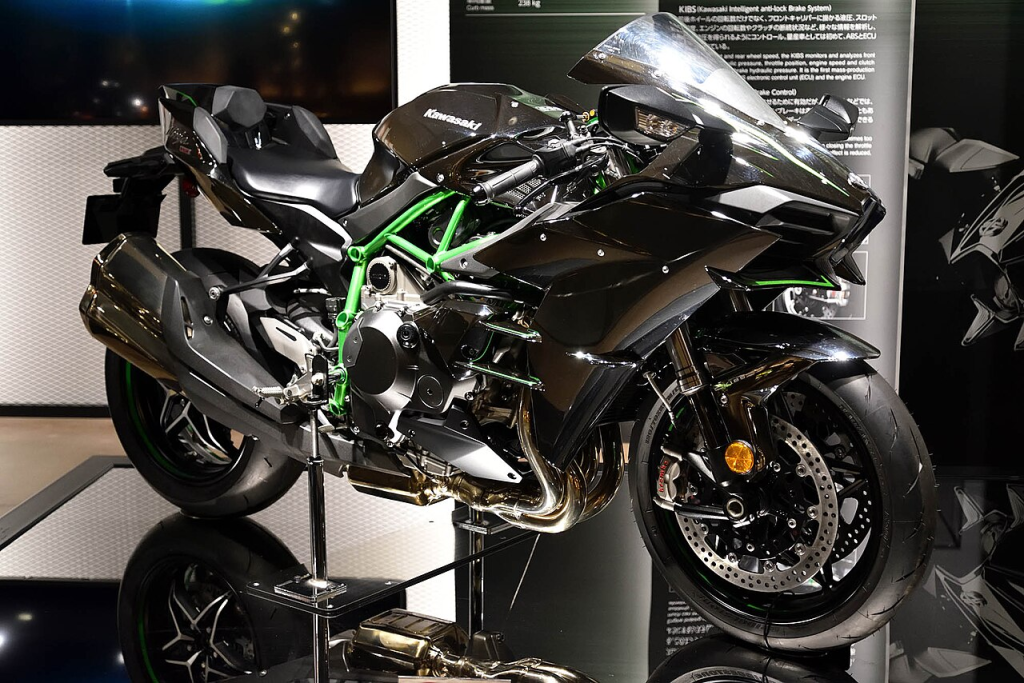
Supercharged street-legal hypersport redefines performance boundaries.
Producing up to 240 hp, the Kawasaki Ninja H2 instantly declared war on traditional hypersport motorcycles. This machine shoves a 998 cc liquid-cooled DOHC inline-four engine, force-fed by a centrifugal compressor, into a street-legal package. With an 8.5:1 compression ratio, it delivers roughly 104–141 Nm of torque, an absurd amount that twists asphalt into submission.
Managing this extreme output demands an equally robust foundation. A steel trellis frame anchors the chaos, while a 43 mm KYB AOS-II fully adjustable inverted fork keeps the front end composed. High-performance Brembo brakes are essential for reining in such velocity. This bike’s presence feels less like a vehicle launch and more like a limited-edition status symbol, cementing its position as the ultimate performance machine.
5. Triumph
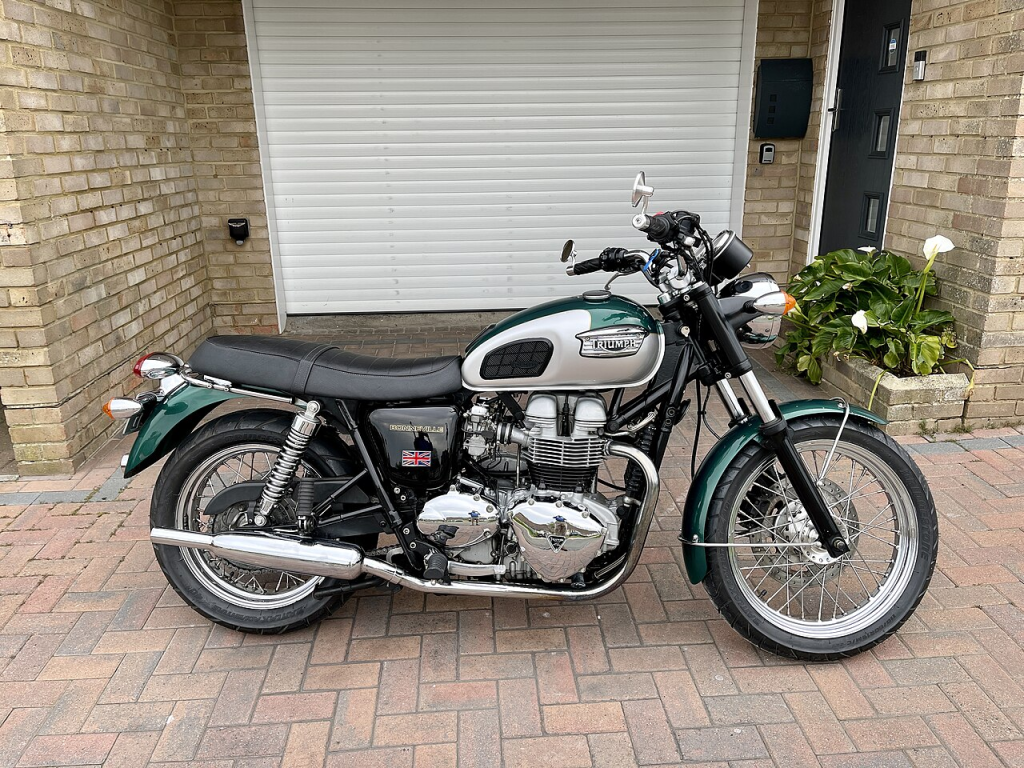
Rapid expansion transforms British heritage brand into global mainstream powerhouse.
Triumph’s evolution over just six or seven years has been remarkable. In that span, the manufacturer significantly broadened its portfolio, becoming a global powerhouse. Offerings now span the accessible 660 and 400 lines, alongside specialized enduro and motocross bikes. Revitalized 900s and 1200s prove a storied brand can still command attention.
This aggressive expansion translates into serious market muscle. Annual sales now hit an impressive 140,000 bikes. Triumph banished classic British bike problems, delivering modern reliability that actually performs consistently. Models like the Trident 660 are now available for under $10,000, making the brand accessible to a wider audience while maintaining distinctive three-cylinder engine character.
4. Triumph Trident 660
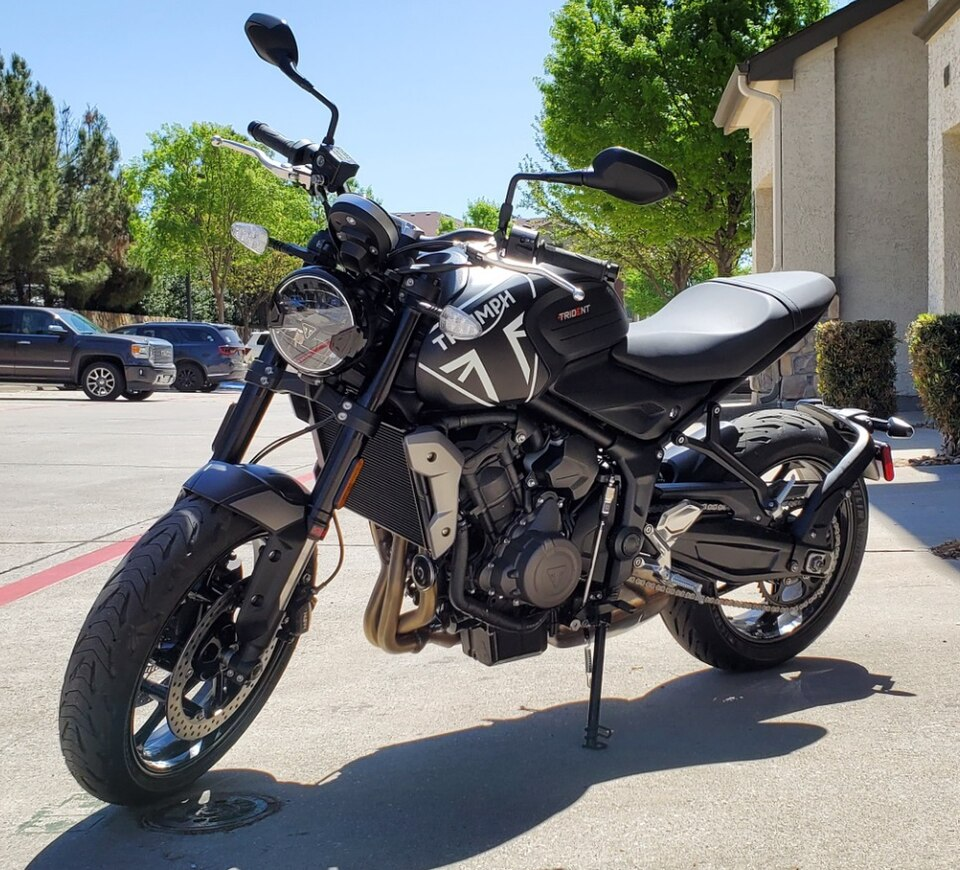
European flair meets aggressive pricing in middleweight segment.
Starting at around $8,500–$8,700 USD, the Triumph Trident 660 undercuts many Japanese middleweight rivals, delivering European flair without the premium price tag. This aggressive positioning means minimal sacrifice on the spec sheet, as it features a 660 cc liquid-cooled DOHC inline triple engine, pumping out a respectable 81–95 hp and 64–68 Nm (47–50 lb-ft) of torque.
The Trident 660 brings a solid suite of electronics, including multiple rider modes and a slip-assist clutch, making it approachable for newer riders yet engaging for veterans. It rides on a robust tubular steel perimeter frame, paired with a Showa 41 mm USD SFF-BP fork up front and a Showa monoshock in the rear. Braking duties are handled by reliable Nissin calipers clamping dual 310 mm front discs and a 255 mm rear disc. This bike hits a sweet spot, delivering an effective blend of performance and everyday usability.
3. Honda
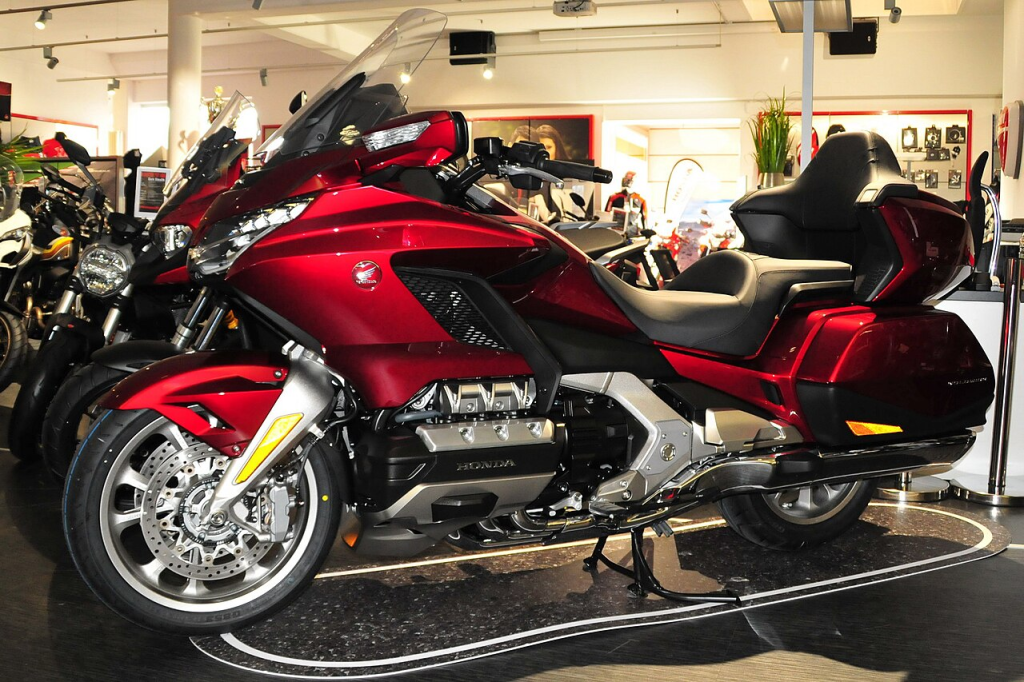
Global manufacturing scale meets renewed focus on innovation and value.
Honda ships millions of motorcycle units annually, solidifying its position as the world’s largest manufacturer. This global scale ensures parts and service accessibility worldwide. Honda’s world-class fit, finish, and bulletproof reliability remain critical for serious travel. The company isn’t content to maintain; it innovates constantly.
The Hornet 750, with 90 horsepower from a 755 cc parallel twin engine featuring a 270° crank, plus e-clutch technology, offers a revelation in value. This strategic push, including reactive pricing against disruptors like CFMOTO, proves Honda continues generating momentum. The company is poised to maintain its dominant position in 2026 through combination of scale, reliability, and renewed product innovation.
2. Honda CB750 Hornet
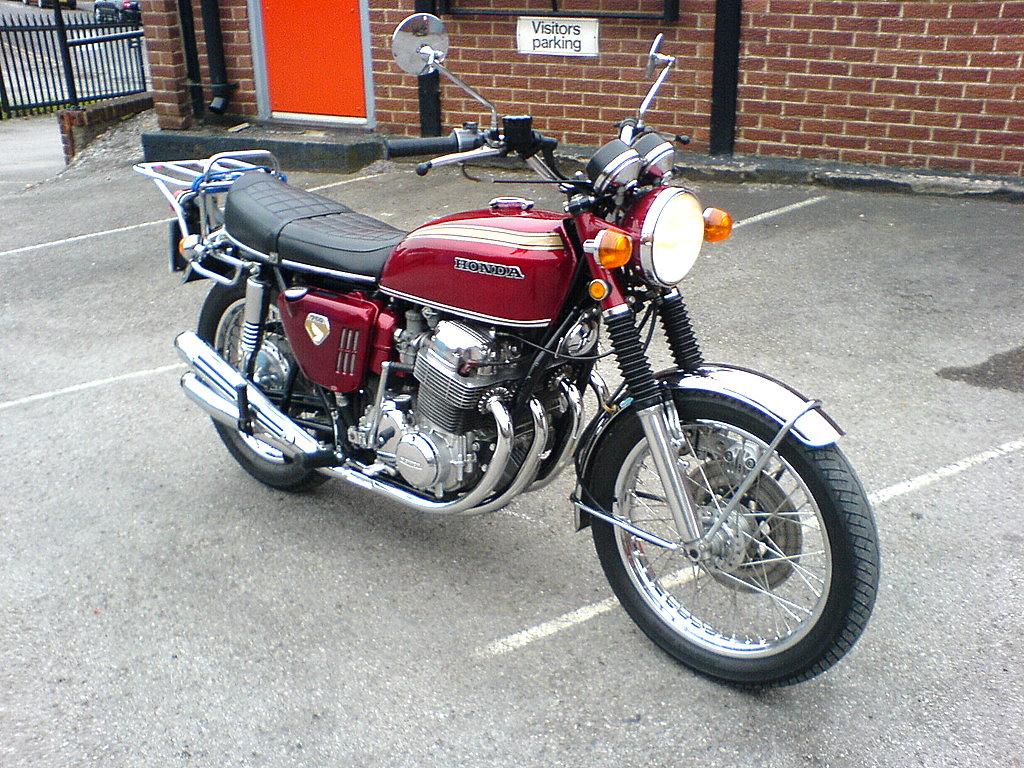
Modern parallel-twin platform sets new middleweight value benchmark.
Honda’s CB750 Hornet delivers a knockout blow to the middleweight naked bike segment, setting a new benchmark for value. Its 755 cc liquid-cooled Unicam SOHC parallel twin engine, featuring a 270° crank, produces a potent 90–92 hp and roughly 75 Nm of torque. This power-to-weight ratio delivers impressive off-the-line acceleration, transforming daily commutes into something genuinely exciting.
The Hornet’s underpinnings defy its price point. A light steel frame and 41 mm inverted Showa SFF-BP fork provide a sharp, responsive ride. Stopping power comes from dual 296 mm front discs paired with ABS. An innovative E-Clutch variant automates shifting for those who prefer technology without extra hand-foot coordination, making urban commutes feel effortless. The significant tech package comes without requiring major financial sacrifice.
1. Honda Gold Wing
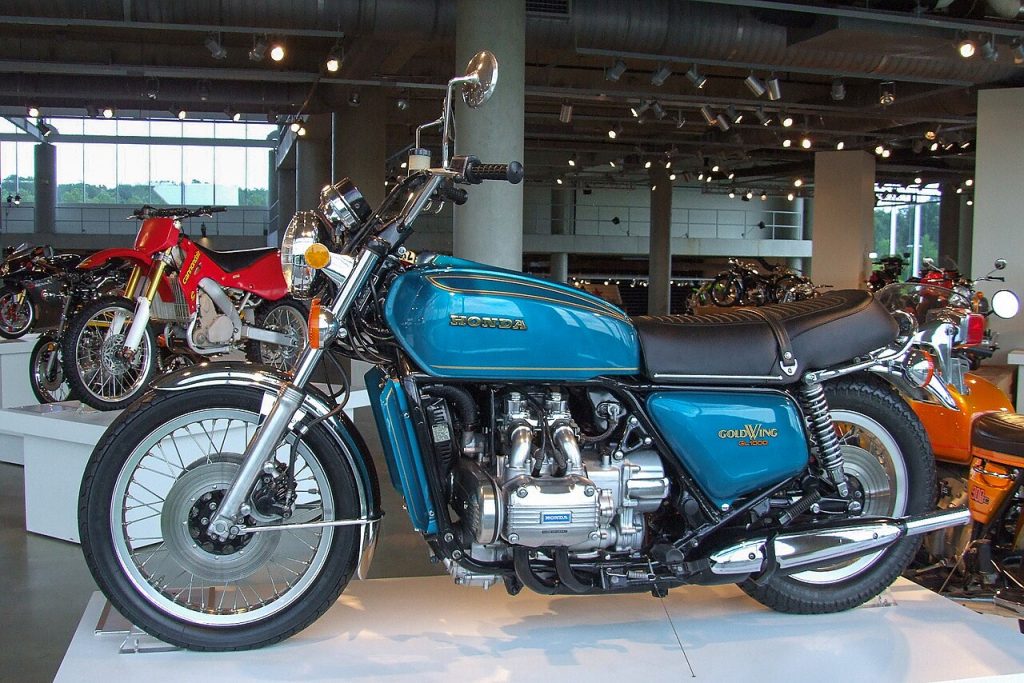
Flat-six flagship transforms cross-country touring into luxury travel.
A true flagship, the Honda Gold Wing’s 1,833 cc horizontally opposed flat-six engine provides smooth, turbine-like power. This liquid-cooled Unicam powerplant delivers 126–127 hp and 170 Nm of torque, ensuring effortless cruising even when fully loaded. The difference becomes obvious when passing slower traffic or tackling steep mountain passes.
This touring machine offers an optional dual-clutch transmission (DCT) for seamless shifts, plus integrated luggage capacity ready to swallow weekend gear. Its massive fairing shields riders from the elements, transforming cross-country treks into a comfortable, living-room-on-wheels experience. With wet weights from 360–407 kg (794–897 lb) and a 25-liter (6.6 US gal) fuel tank, this bike is built to eat up miles without complaint.