Massachusetts residents pay roughly 66% above the national average for electricity. That stings. Now the state is offering a small salve: park your EV in the driveway, plug it in, and get paid when the grid needs help.
The ConnectedSolutions program — a demand-response initiative run by Eversource and National Grid that already rewards customers for reducing strain via smart thermostats and home batteries — has added residential EVs as dispatchable grid resources for the first time. About 60 households are in the initial cohort, backed by the Massachusetts Clean Energy Center (MassCEC) and a five-company coalition including EnergyHub, Sunrun, and The Mobility House.
What You Actually Earn (And What You Need)
Free hardware, real dollars, and a short list of qualifying vehicles.
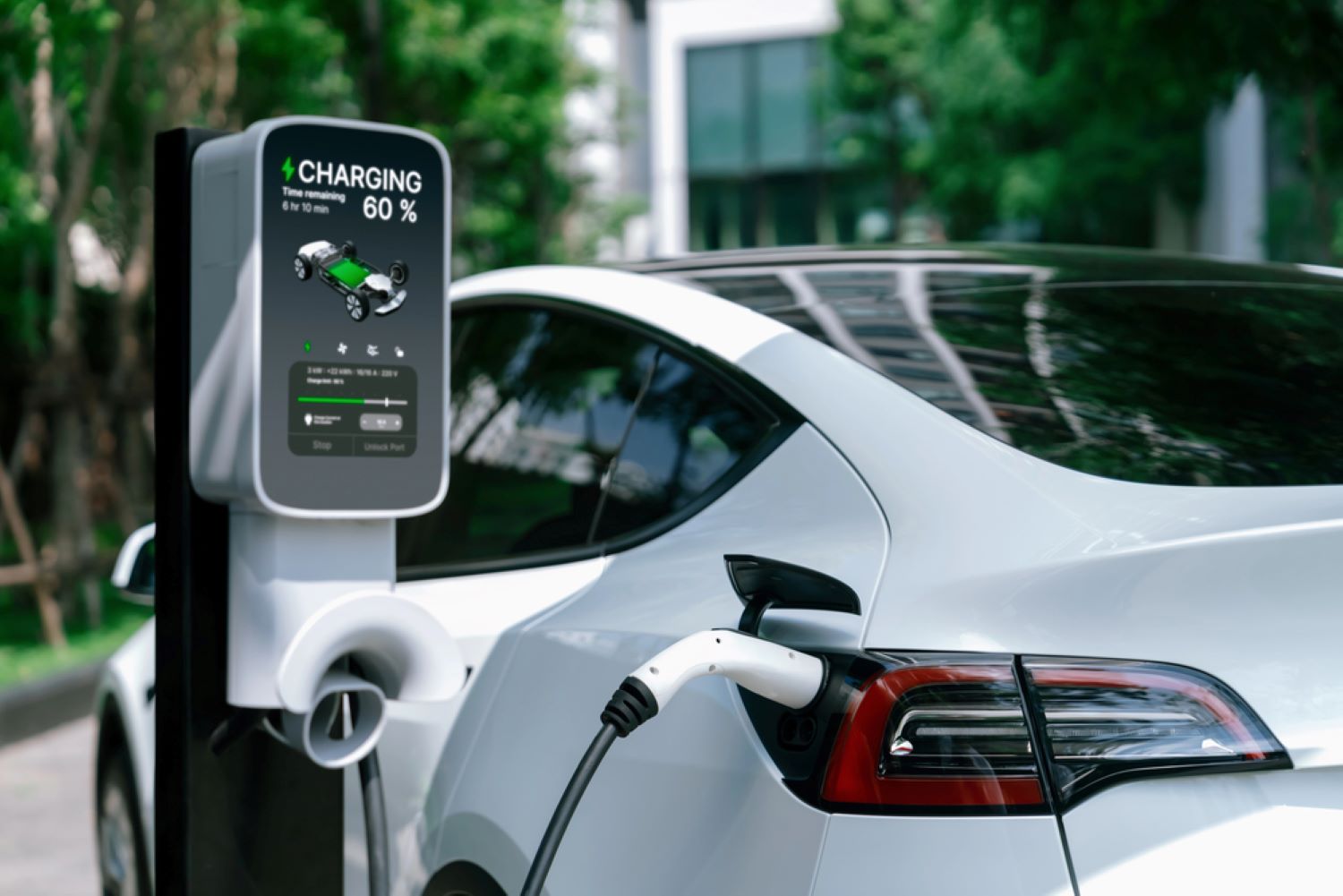
The bidirectional charger is free — and yours to keep after the pilot ends, removing one of the biggest cost barriers to V2G adoption. Enrollment routes split between two partners: Sunrun rewards you for plugging in during peak hours, while The Mobility House ties compensation to actual discharge during grid events. Your home needs to pass an electrical panel assessment, but no garage is required.
Your car also has to support V2G at the hardware level. Eligible models currently include:
- Nissan Leaf
- Kia EV9
- Polestar 3
- Volvo EX90
- Ford F-150 Lightning
That list will expand as more V2G-ready vehicles reach the U.S. market. “Electric cars and buses with bidirectional charging have a valuable capability to provide emergency back up power and vehicle-to-grid.” — Russell Vare, VP of Vehicle-Grid Integration, The Mobility House North America.
60 Homes Now, Potentially Thousands Later
On a sweltering August afternoon, a parked school bus quietly pushes power back to the grid — and that’s exactly the point.
MassCEC is backing the broader V2X program with $6 million and plans for up to 100 bidirectional chargers over two years, targeting 1.5 megawatts of distributed storage — enough for roughly 250 homes. Electric school buses in Massachusetts are already participating in related bidirectional initiatives, which is the kind of detail that sounds made up until you realize a yellow bus sitting idle all summer is basically a Powerwall on wheels. Fleets offer more consistent availability than individual cars, making them ideal early candidates.
Skeptics raise fair points. Battery degradation concerns linger, the eligible vehicle list is short, and interconnection rules remain genuinely complex. But V2G has operated in Europe and Japan for years — this is the U.S. catching up, not guessing.
If you’re sitting on a compatible EV in Massachusetts while your electric bill quietly devours your paycheck, this pilot is worth watching closely. The charger is free. The earnings are real, if modest. And the waitlist for the next phase will only get longer.