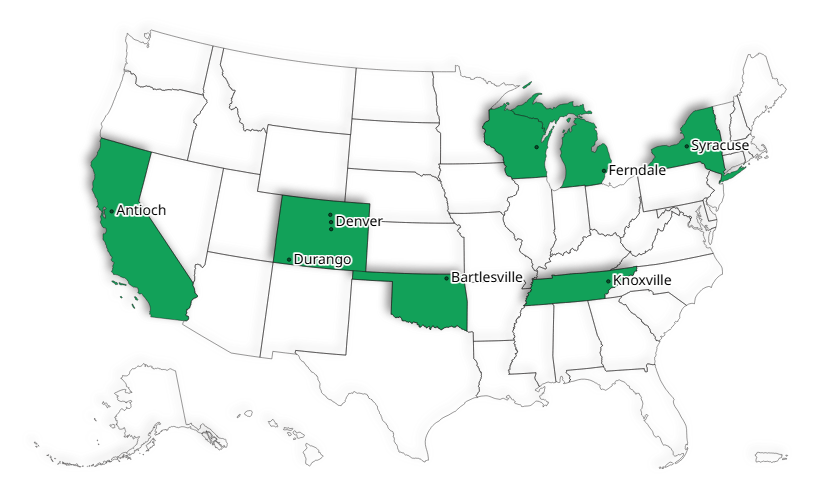
Across the U.S., a quiet vendor shuffle is being sold as a privacy win. Denver replaced 110 Flock Safety license plate readers with 50 Axon cameras. Durango, Colorado switched suppliers on September 1. Antioch, California approved 55 fixed Axon ALPR locations. Bartlesville, Oklahoma trimmed its Flock count while adding Axon units. According to 404 Media, Ferndale, Grand Chute, Knoxville, Longmont, Syracuse, and Douglas County made similar moves. The ACLU’s position is blunt: this isn’t a retreat from surveillance. It’s a rebrand.
The Flock-to-Axon Pipeline
The backlash against Flock didn’t kill license plate readers — it handed Axon a market opportunity.
Automated license plate readers, or ALPRs, photograph your plate, log your location, and timestamp the whole thing. That data goes into a database. The cameras doing it used to say Flock. Increasingly, they say Axon.
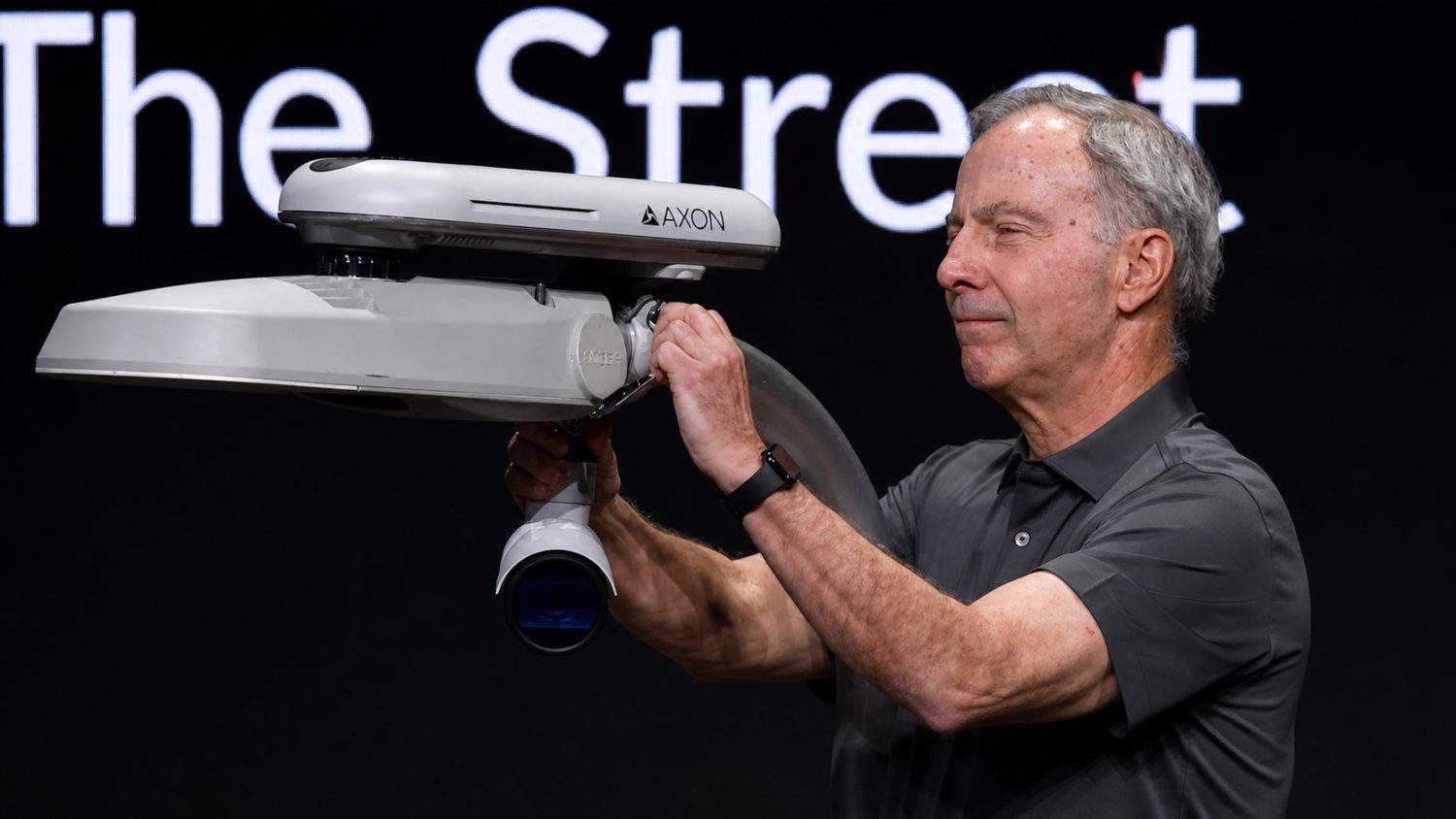
Axon already lives inside most of these departments — Tasers, body cameras, in-car video, Evidence.com evidence management. Switching to Axon ALPRs is less a philosophical shift than a procurement convenience. Think of it like consolidating streaming subscriptions: you haven’t cut back on content, you’ve just put it all under one login. Axon CEO Rick Smith told NPR in August that agencies are converting “because of the controls and privacy work” Axon has done. That claim is worth noting. Whether it holds up is a separate question.
The ACLU isn’t impressed by the framing. The organization warns that swapping vendors doesn’t address the core problem: these systems build sprawling databases tracking where your car goes, how often, and at what hour. There’s also a retention gap worth knowing:
- Axon has no hard data-retention limit — its default is 30 days, but departments can configure it longer.
- Flock has stated limits and approval requirements for extended retention, according to the ACLU.
Changing the jersey doesn’t change the game.
What Actually Changes (And What Doesn’t)
Denver attached audit trails to its Axon contract — but the surveillance infrastructure keeps expanding either way.
Supporters point to real, documented benefits: stolen vehicle recovery, active investigations, suspect location. Critics argue those wins don’t justify tracking every driver who has done nothing wrong. Denver’s narrow council vote did attach added audit and public reporting requirements to its Axon contract, which signals that the policy debate is maturing. Cities are beginning to argue about how surveillance gets governed — not just whose name is on the hardware.
That’s progress. Partial progress, anyway. The fight worth watching isn’t Flock versus Axon. It’s retention limits, audit trails, and what your city council requires before signing the next contract. When that vote happens near you, ask what happens to your data after the meeting ends — a concern echoed by cases of secretly tracking users far beyond any stated purpose.