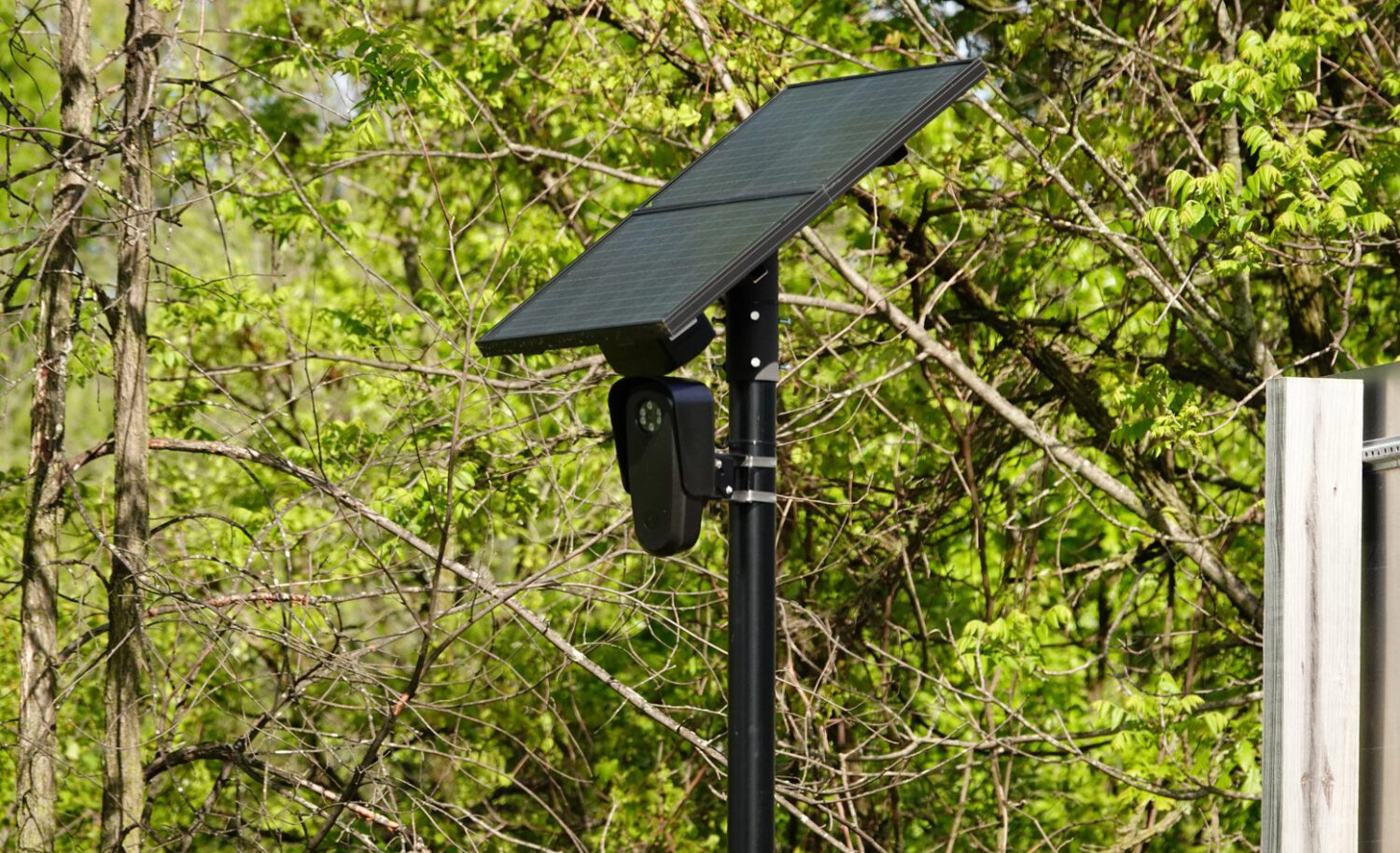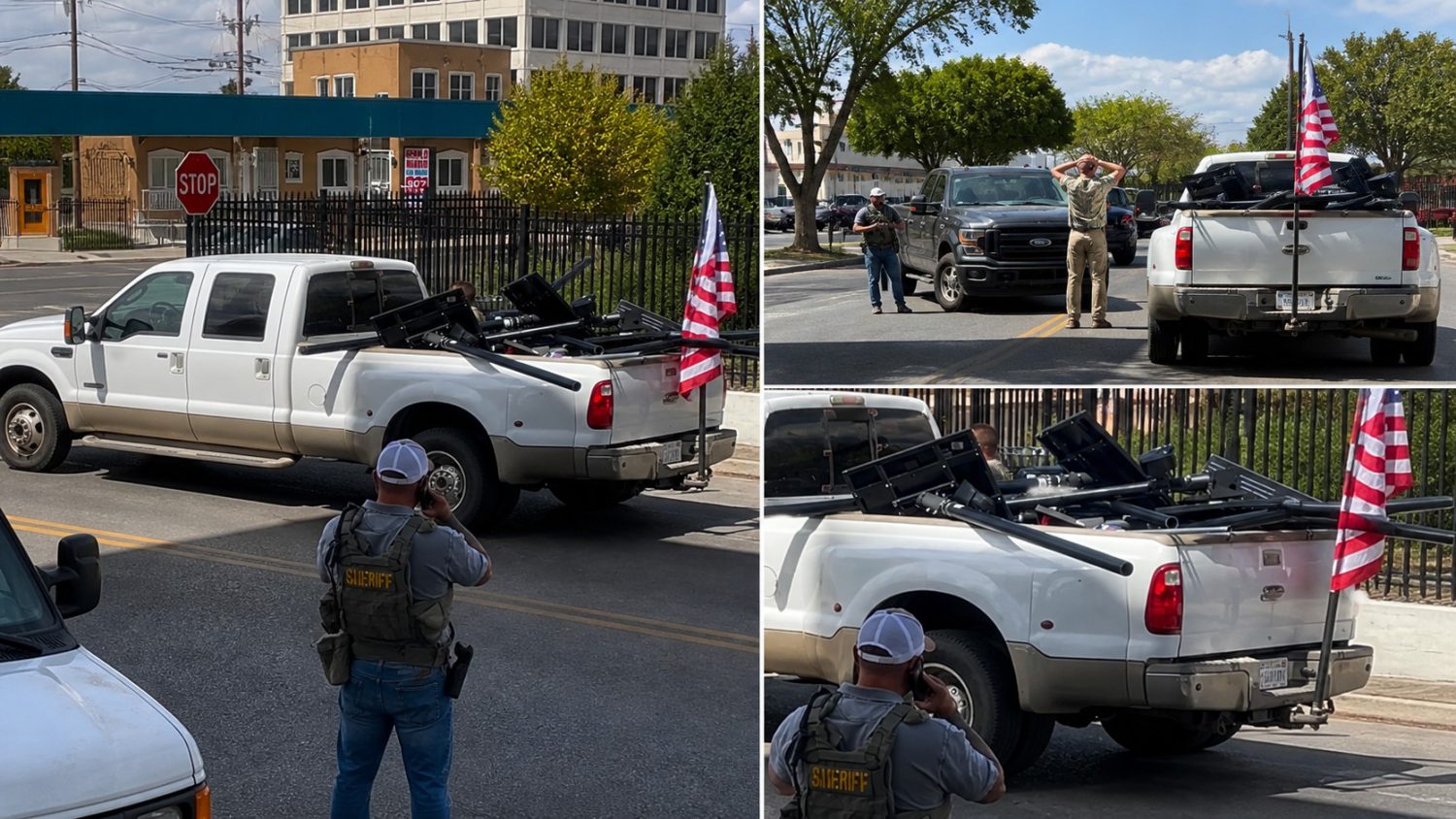
A man drove to the Bernalillo County Sheriff’s Office with a truck bed full of dismantled Flock Safety cameras and deputies arrested him on the spot. He’d documented the whole removal on Facebook Live first. Deputies encountered him near BCSO headquarters in Albuquerque with multiple cameras and associated hardware he’d allegedly pulled down from county locations. His defense: he was returning them. Law enforcement’s response: that’s still theft — and the investigation remains ongoing.
The timing borders on the Kafka-esque. Sheriff John Allen had already confirmed BCSO was terminating all three of its Flock Safety contracts, citing privacy concerns, according to News Radio KKOB reporting from August 25, 2026.
Surveillance That Logs Everyone, Not Just Criminals
Flock Safety’s automated license plate readers photograph your plate, log your vehicle’s color and type, and share that data across law enforcement jurisdictions.
Tracking stolen vehicles sounds useful until you realize the cameras log every driver’s movements, not just suspects’. BCSO used the system to locate vehicles connected to crimes — stolen cars, missing persons, suspects in violent cases. Privacy advocates call the broader network mass surveillance of ordinary drivers. Per NBC News reporting, activists argue Flock’s privacy reforms aren’t enough, and a national wave of camera vandalism has followed.
- Flock cameras capture license plates, vehicle color, and type automatically
- BCSO held three separate Flock contracts — Sheriff John Allen confirmed all are being terminated, according to News Radio KKOB
- A national pattern of camera vandalism has targeted Flock infrastructure, with activists arguing the company’s privacy changes fall short, per NBC News
- In Rio Rancho, NM, Jevon Martinez, 44, faces larceny, property damage, and evidence-tampering charges after allegedly destroying three Flock cameras and leaving a note reading “You’re welcome, the Republic of New Mexico” — damage that ran into thousands of dollars, according to KRQE reporting
Good Intentions Don’t Override Property Law
In New Mexico, these cameras are public property — unauthorized removal triggers serious charges regardless of what you planned to do with them.
That’s the brutal irony here. The surveillance concerns driving citizen action are the same ones pushing BCSO out the door institutionally. Privacy pressure works through official channels. Just slower than a pickup truck and a live stream.
The “returning it” defense doesn’t hold legally, even when the underlying grievance about data collection is legitimate. Removing or damaging cameras deployed by local governments can trigger larceny, criminal damage, and evidence-tampering charges — as the Rio Rancho cases make clear. Your intentions don’t rewrite property law.
Continued incidents like this may push New Mexico lawmakers toward clearer ALPR governance — data retention rules, sharing limits, public accountability — though that remains speculative analysis rather than confirmed legislative movement. Lawmakers do tend to move faster when the news gets this strange.
The sheriff was already walking away from Flock when the man with the truck got there first — and got arrested for it. As more agencies weigh public-trust costs against investigative benefits, surveillance vendors may find that when both citizens and institutions start heading for the exit, the contract renewal conversation gets very short.