Jose Rodriguez, a 36-year-old from Milton-Freewater, Oregon, watched Flock Safety surveillance cameras go up near Walla Walla in 2024 and did something nobody anticipated: he filed 53 public records requests asking to see exactly what those cameras captured. Cities assumed the footage would quietly vanish on a 30-day rolling deletion cycle. They were wrong. Since 2025, Washington cities and counties have paid Rodriguez more than $300,000 in settlements — and the legal reckoning isn’t finished.
What Flock Cameras Actually Capture – And Why Cities Couldn’t Produce It
The gap between what these cameras collect and what agencies could actually hand over turned routine records requests into a six-figure liability.
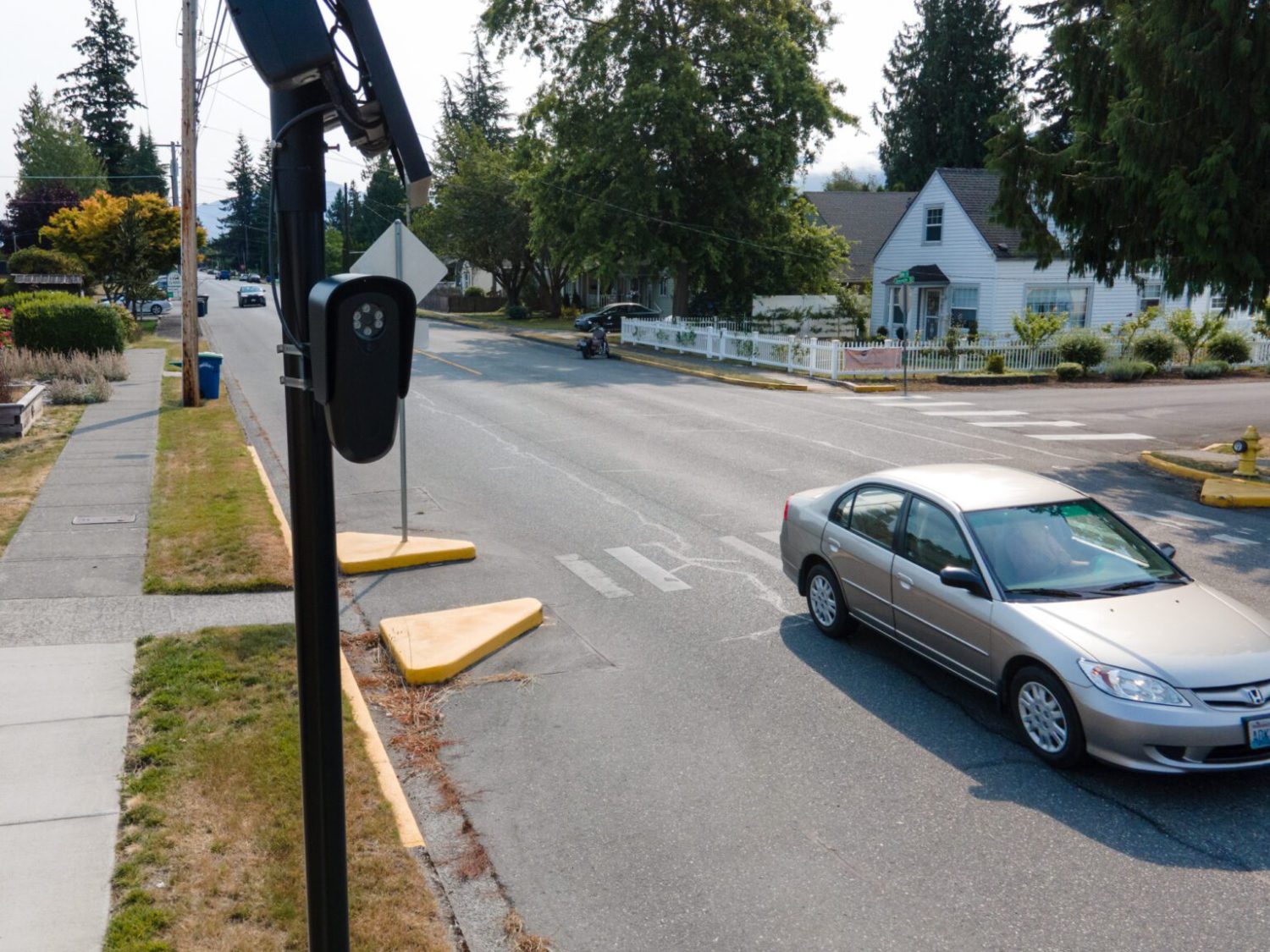
These aren’t speed cameras. Flock Safety’s automatic license plate readers (ALPRs) capture 6–12 timestamped photos per passing vehicle — logging make, model, color, and distinguishing details like bumper stickers or body damage. Every drive past one becomes a data point in a searchable database. No warrant required.
The structural failure was almost predictable in its logic. Agencies stored data on Flock’s cloud under a 30-day deletion policy with daily download caps. When Rodriguez filed requests, many couldn’t retrieve images fast enough before Flock’s system wiped them — creating liability for destroying public records they never technically held.
Here’s what you need to know about this case:
- Rodriguez filed 53 requests between September 2024 and October 2025, targeting narrow 30-minute windows of footage
- At least 15 jurisdictions paid settlements ranging from $5,000 to $40,000 each; Sedro-Woolley and Stanwood split an $80,000 joint settlement in August 2026
- In November 2025, Skagit County Superior Court Judge Elizabeth Neidzwski ruled Flock images are public records under Washington law — even if agencies never physically downloaded them
- At least 13 jurisdictions have since canceled or deactivated cameras; Mount Vernon voted 4–1 to shut down after a 430-person community petition
Rodriguez’s original plan wasn’t litigation. He wanted to post Flock images in local Facebook groups — show residents what these cameras captured of their own cars, in their own towns. The court agreed with him on the law. Dark irony: he won the ruling but never got the images. Cities had already let Flock delete them.
“Had the cities processed Mr. Rodriguez’s records request correctly, there never would have been a need for litigation,” said his attorney, Tim Hall.
New Law, Same Surveillance – Just Less Accountability
Washington’s Driver Privacy Act reshaped the rules — but the cameras, and the databases behind them, kept running.
Washington’s Driver Privacy Act (SB 6002) took effect March 30, 2026. It limits ALPR data retention to 21 days, restricts sharing, and bans use for immigration enforcement. It also exempts ALPR data from public records requests entirely. Cities like Stanwood promptly reactivated cameras they’d paused. The surveillance infrastructure is back. The transparency window is closed.
The financial stakes for jurisdictions still fighting remain significant. Under Washington’s public records penalty structure, a single missing image triggers $100 per day in fines plus attorney fees — meaning one vehicle’s 6–12 photos could exceed $25,000 in exposure. Snohomish County and Lakewood are still contesting Rodriguez’s claims in court.
The dynamic mirrors the backlash over neighborhood doorbell-camera networks — except the operator here is the government, logging every vehicle on every street. University of Washington Center for Human Rights researchers found federal agencies had already accessed local Flock data, likely for immigration enforcement. A Washington Post investigation documented at least 50 officers nationally charged or accused of misusing ALPR systems, including secretly tracking users to stalk women. Flock, for its part, called Washington’s former public records treatment one of the “most problematic” frameworks in the country — and its litigation team actively coordinated legal strategies with municipal attorneys across multiple Washington cities to resist Rodriguez’s requests.
“I’m not sure that even now we understand the full implications of this technology and what we may have lost,” Hall said.
The new law closes the records loophole Rodriguez used. It doesn’t stop police from building warrantless databases of vehicle movements. The cameras are going back up, and the data keeps flowing. It’s just harder to see now — which is exactly the problem Rodriguez started asking about in the first place.