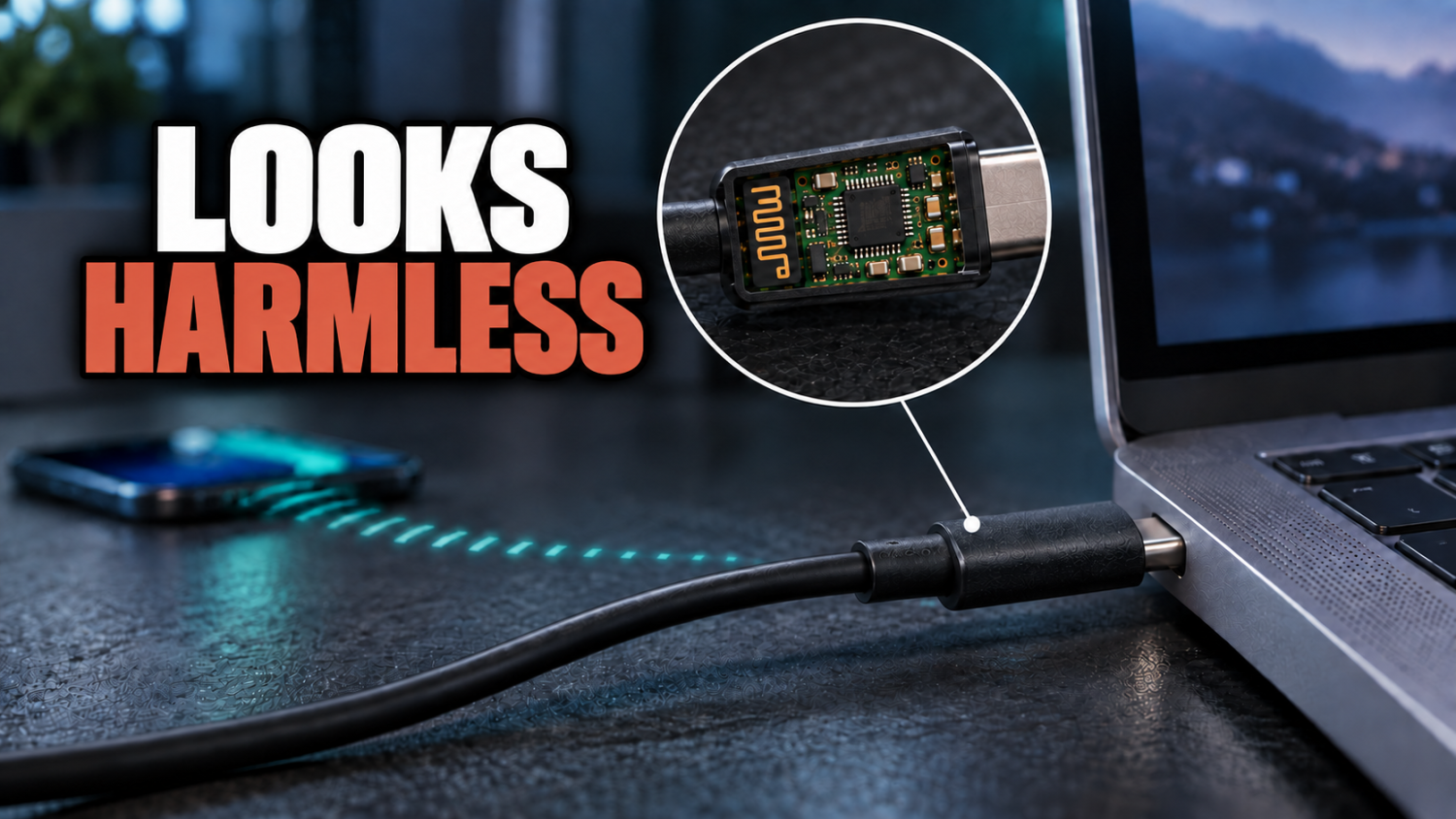
Cybersecurity professionals routinely employ tools that appear straight out of a spy movie, yet these devices are legally available and fundamental for legitimate security research. Understanding hidden vulnerabilities in smart homes and digital infrastructure matters more than ever. This list explores 15 impactful gadgets that reveal how easily our digital world can be manipulated—blueprints for understanding system weaknesses. Anyone who’s scrolled through a ‘smart tech fails’ TikTok and thought, ‘There has to be more to this,’ will find a new perspective on security that shows exactly how the digital world operates under the hood.
This content may contain affiliate links. If you wish to support us and use these links to buy something, we may earn a commission.
15. Flipper Zero

This portable multi-tool turns invisible wireless signals into readable data streams.
This portable, open-source multi-tool, about the size of a chunky TV remote, integrates a sub-GHz transceiver (a radio that sends and receives signals across common frequencies like 315/433/868/915 MHz), 125 kHz LF RFID, 13.56 MHz NFC, and infrared TX/RX. It acts like a universal remote for the hidden signals around you, allowing anyone to read, copy, and replay key fobs, hotel key cards, and garage door openers.
Its 1.4-inch 128×64 monochrome LCD and physical buttons make complex wireless exploration accessible even for beginners. Cloning a garage door opener demonstrates just how openly many devices broadcast their credentials. The Flipper Zero helps security researchers understand the wireless environment that surrounds us daily, offering insight into invisible communication protocols.
14. USB Rubber Ducky
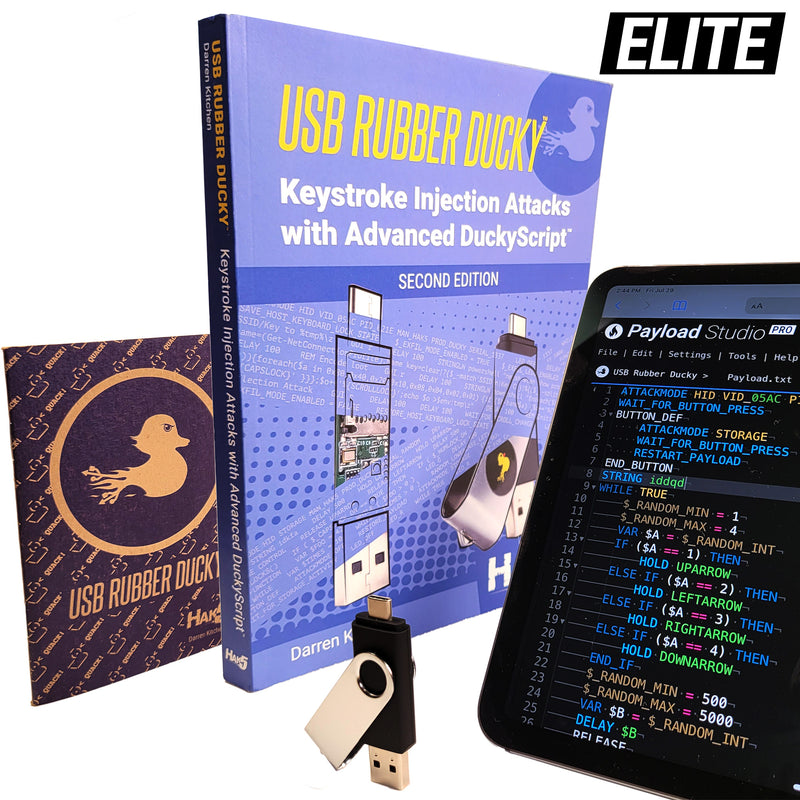
A computer’s inherent trust in keyboards creates one of its most critical vulnerabilities.
Unlike a typical flash drive, a computer registers this device as a Human Interface Device (HID) keyboard, bypassing common security checks. It then unleashes scripted payloads, typing at speeds up to thousands of keystrokes per second, far beyond human capability. This speed ensures a system can be compromised before anyone can react, turning a brief moment into a critical security incident.
Security teams deploy the Rubber Ducky to simulate “hotplug attacks,” verifying office environment resilience against rogue devices. PayloadStudio allows crafting DuckyScript, instructing it to open terminals, execute scripts, grab files, and cover its digital tracks, all before automatically ejecting. This tiny tool offers a sobering reminder that even a brief physical connection can unravel layers of digital defenses.
13. Alfa AWUS036AXML Wi-Fi Adapter
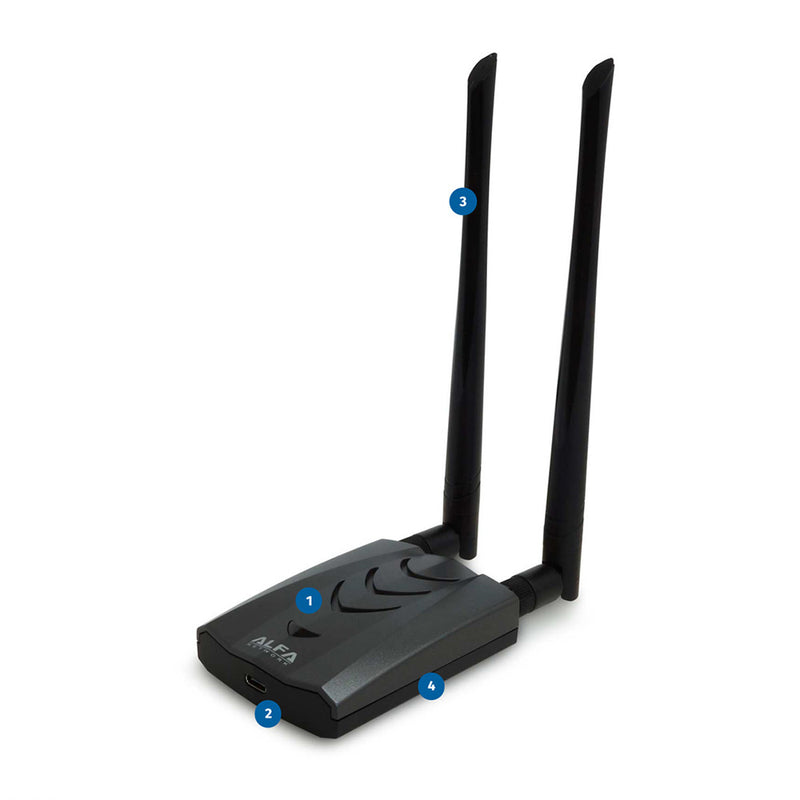
The MediaTek MT7921AUN chipset delivers unparalleled wireless visibility across three bands.
This compact device provides tri-band Wi-Fi 6/6E (2.4 / 5 / 6 GHz) and Bluetooth 5.2 support, delivering data rates up to 600 Mbps on 2.4 GHz and 1200 Mbps across the 5/6 GHz bands. Its aggregate Wi-Fi 6E throughput can reach up to 3000 Mbps, turning any laptop into a powerhouse for network traffic analysis.
Modern Linux mt7921u drivers unlock its monitor mode, which means capturing every packet in the air—not just the ones your machine is directly talking to. With its 2 RP-SMA connectors, attaching 2x 5 dBi external antennas extends range and enables targeted signal capture. This makes it an essential tool for auditing network security, identifying rogue access points, or stress-testing WPA2 password strength with tools like Aircrack-ng.
12. HackRF One
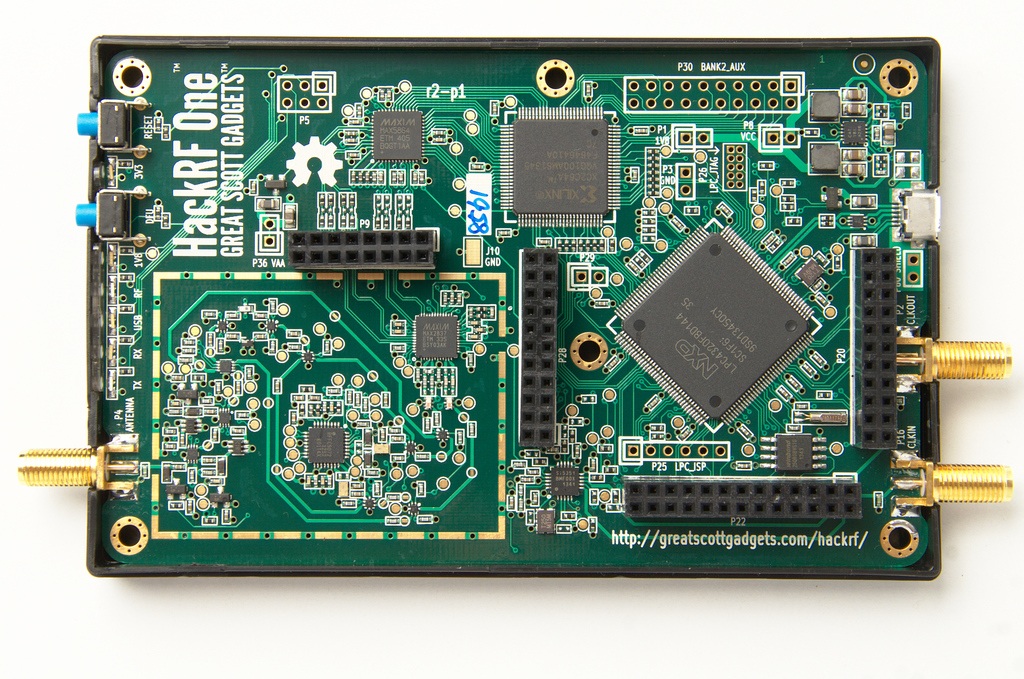
This open-source SDR transceiver tunes into almost every wireless signal from 1 MHz to 6 GHz.
The HackRF One processes signals at up to 20 MSPS (million samples per second) using 8-bit quadrature sampling (I/Q), connecting via USB 2.0. When paired with software like SDRSharp, a real-time “waterfall” display reveals countless wireless signals. Users can receive everything from broadcast FM, aircraft transponders, and weather satellites to drone control signals and pager networks.
Its SMA antenna connector and software-controlled antenna-port power (up to ~50 mA @ 3.0-3.3 V) offer versatility. This device fundamentally changes perception of the radio-frequency environment, revealing a world humming with invisible data. Legal use remains for listening, not transmitting on restricted bands.
11. Proxmark 3 RDV4
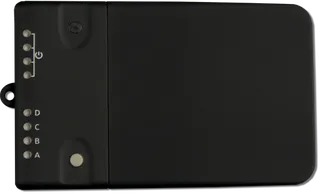
Security firms testing physical access control systems need tools that operate with surgical precision and discretion.
The Proxmark 3 RDV4 acts as a covert, modular, and expandable RFID and NFC platform for penetration testers. It supports both low-frequency (LF, around 125 kHz) and high-frequency (HF, 13.56 MHz) cards, including common technologies like HID, MIFARE Classic, and iClass. This device enables reading, analyzing, emulating, and cloning a wide array of RFID and NFC tags, often without needing a laptop for every operation.
Holding it near an employee’s badge extracts credential data, then either clones that information onto a blank card or has the Proxmark itself mimic the authorized credential. The goal is uncovering vulnerabilities in access control systems before malicious actors do, turning potential weaknesses into actionable security intelligence.
10. Bash Bunny
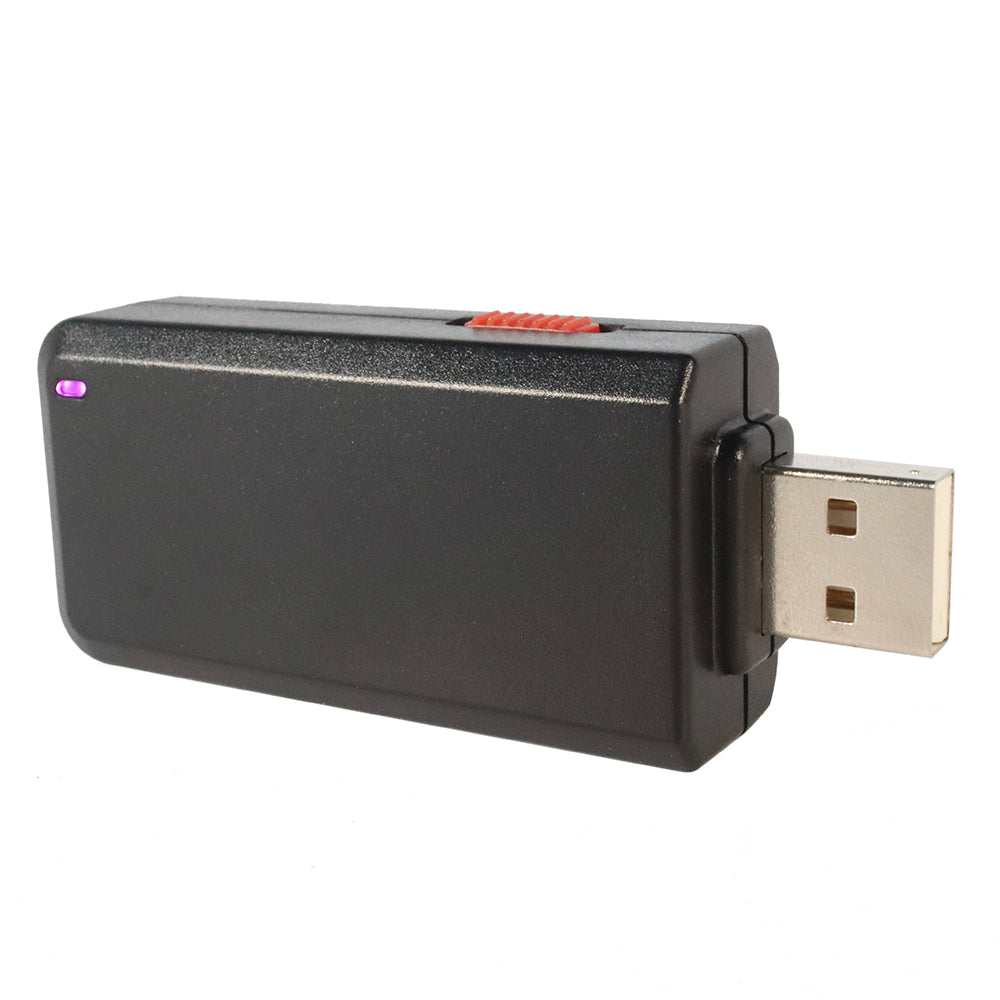
Unlike single-purpose keystroke injectors, this device functions as a full Linux computer with multiple attack vectors.
This multi-vector platform emulates a keyboard, storage device, network adapter, and serial console simultaneously. Powered by a quad-core ARM Cortex-A7 CPU and a desktop-class SSD, it executes payloads written in Bunny Script with ruthless efficiency. The Mark II model boots in about 7 seconds, offering instant access to a formidable toolkit.
This device creates fake network connections, extracts Wi-Fi passwords, exfiltrates files, and installs persistent backdoors. LED indicators turn green for success, red for error, confirming operational status. The Bash Bunny operates with the quiet precision of a digital ghost in the machine, demonstrating why casual trust in random USB devices poses serious security risks.
9. WiFi Pineapple Mark VII
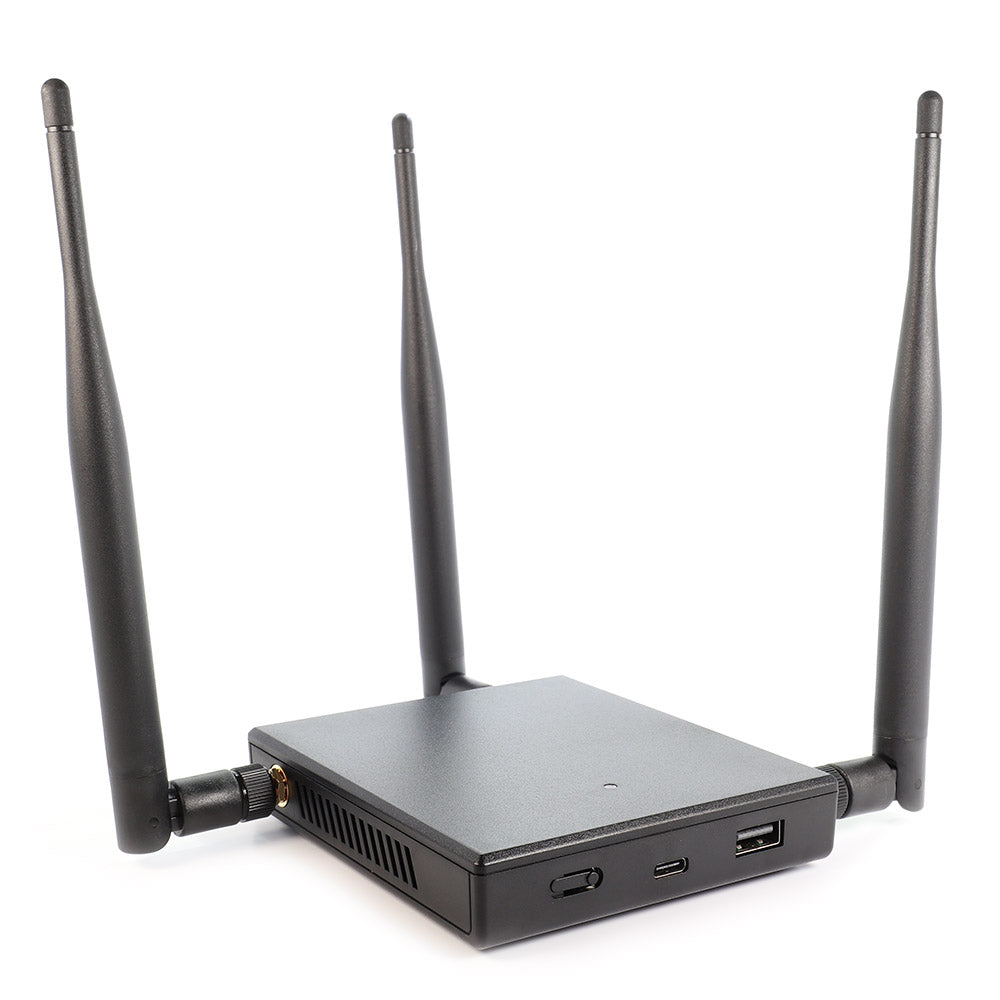
Phones and laptops constantly broadcast previously connected networks; this device exploits that behavior.
This Hak5 device acts as a rogue access point for Wi-Fi penetration testing, built around an Atheros AR9331 MIPS SoC @ 400 MHz with 64 MB DDR2 RAM and dual 2.4 GHz radios. Its OpenWrt-based PineAP OS responds affirmatively to network requests, tricking devices into automatic connection.
Once connected, the Mark VII intercepts internet traffic, logins, and messages. Its PineAP OS offers modules for recon, deauth, and handshake capture, turning Wi-Fi into a data buffet. Such demonstrations highlight how common Wi-Fi habits compromise security, creating lasting awareness of wireless vulnerabilities.
8. KeySy RFID Duplicator

Professional RFID cloning requires neither specialized lab equipment nor deep technical expertise.
This handheld gadget, no bigger than a car key fob, operates at 125 kHz, targeting a huge percentage of common low-frequency RFID systems that protect everything from office doors to gym memberships. Cloning a card takes about 4 seconds: hold it near an original, press a button, then near a blank card, and press again. It stores up to 4 RFID tags in its memory.
The device runs on a CR2032 lithium coin cell battery with approximately two-year life. The KeySy’s unsettling simplicity proves how fragile these systems truly are, demonstrating that many access badges offer less protection than commonly assumed.
7. O.MG Cable

A charging cable borrowed from a stranger could be a Wi-Fi-enabled computer capable of remote keystroke injection.
The O.MG Cable looks like any standard USB-A, USB-C, or Lightning cable, but it’s a meticulously hand-made device with a tiny implant hidden inside its connector housing. Once plugged into a machine, it registers itself as a HID keyboard, allowing an attacker to control the device remotely.
This stealthy tool, originally created by security researcher ‘MG’, facilitates remote keystroke injection and data exfiltration. Advanced versions even include self-destruct capabilities, wiping all evidence from the cable itself. Cybersecurity teams often deploy these cables in red-team social engineering assessments, checking if employees will plug in unknown devices.
6. LAN Turtle
A generic USB Ethernet adapter can hide a covert Linux board designed for stealth remote access.
Inside its standard adapter shell resides an embedded Linux board featuring an Atheros AR9331 processor running at 400 MHz, alongside 64 MB RAM and 16 MB flash, all connected to an RJ45 10/100 Ethernet port. Once connected, this device quietly establishes persistent remote access using encrypted tunnels that mimic normal outbound internet traffic, bypassing most firewalls without raising alarms.
The modular framework allows running various tools, from network scanners to credential interceptors and reverse shells. Physical access to network infrastructure remains as critical a vulnerability as any software flaw that might be patched, demonstrating why physical security matters as much as digital defenses.
5. PCILeech DMA Attack Board
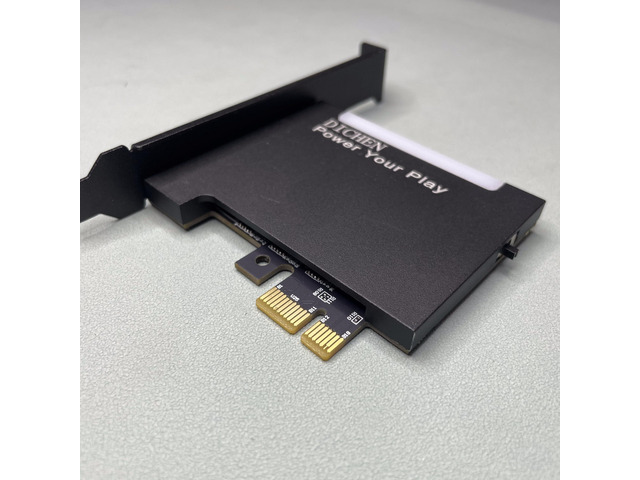
Direct Memory Access attacks leverage PCIe-connected hardware to read and write target system RAM, bypassing operating system controls.
Paired with compatible FPGA boards like the PCIe Screamer, PCILeech accesses a machine’s entire physical memory over PCIe at tens to hundreds of MB/s throughput. It inserts kernel implants into Windows, Linux, FreeBSD, and UEFI, providing mounted-drive-like access to memory and file systems.
This toolkit extracts encryption keys, passwords, and session tokens directly from RAM. It also modifies running code and data structures without OS detection. These capabilities represent sophisticated attack vectors frequently appearing in nation-state disclosures and academic security papers, demonstrating vulnerabilities at the hardware level.
4. Hidden Camera Detector (RF + Lens Detector Class)
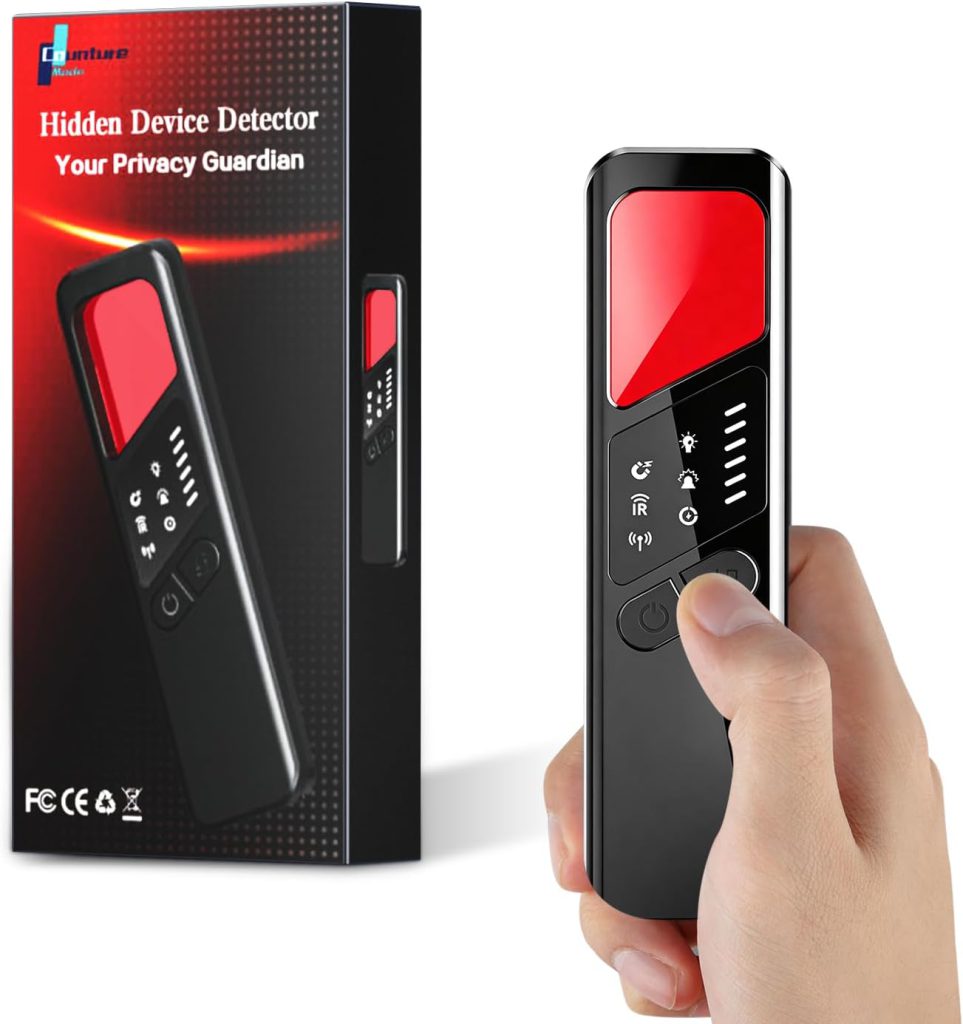
Illicit surveillance in rental properties and hotels has increased significantly, making privacy concerns tangible.
A compact, handheld detector offers tangible defense. This device deploys an RF module, sweeping frequencies from 1 MHz up to around 12 GHz, detecting Wi-Fi, Bluetooth, and cellular signals from any wireless camera attempting to record. The optical mode shines high-intensity red or infrared light; camera lenses reflect back as distinct, tiny glints through a filtered viewfinder.
A full sweep in a typical hotel room takes about 2 minutes. For travelers, journalists, or executives, this dual-function tool offers practical peace of mind, ensuring personal security remains private business.
3. Deauther Watch (ESP8266-based Wi-Fi Deauthentication Watch)
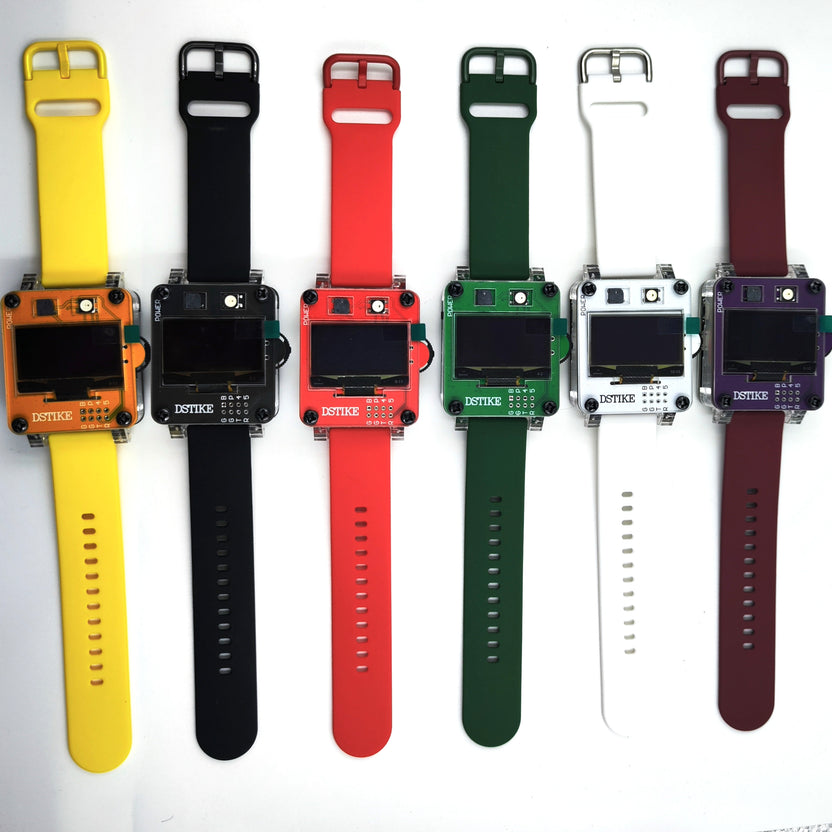
Older Wi-Fi implementations contain a curious vulnerability: deauthentication frames require no authentication whatsoever.
The Deauther Watch, built around an ESP8266 chip and packaged as a chunky wristwatch, leverages this precise flaw. With its small OLED screen and physical buttons, triggering a deauthentication attack sends frames to any 2.4 GHz Wi-Fi network in range, causing every connected device to drop its connection instantly across a 30-100 m range.
Beyond knocking devices offline, the watch also features Beacon functions to create fake networks, Probe functions to confuse Wi-Fi trackers, and a Packet Monitor to display traffic. Security researchers use it to test network resilience and capture handshake data, which can then be analyzed offline for password strength.
2. GL.iNet Travel Router (Representative: Beryl AX / Slate AX / Mango Class)
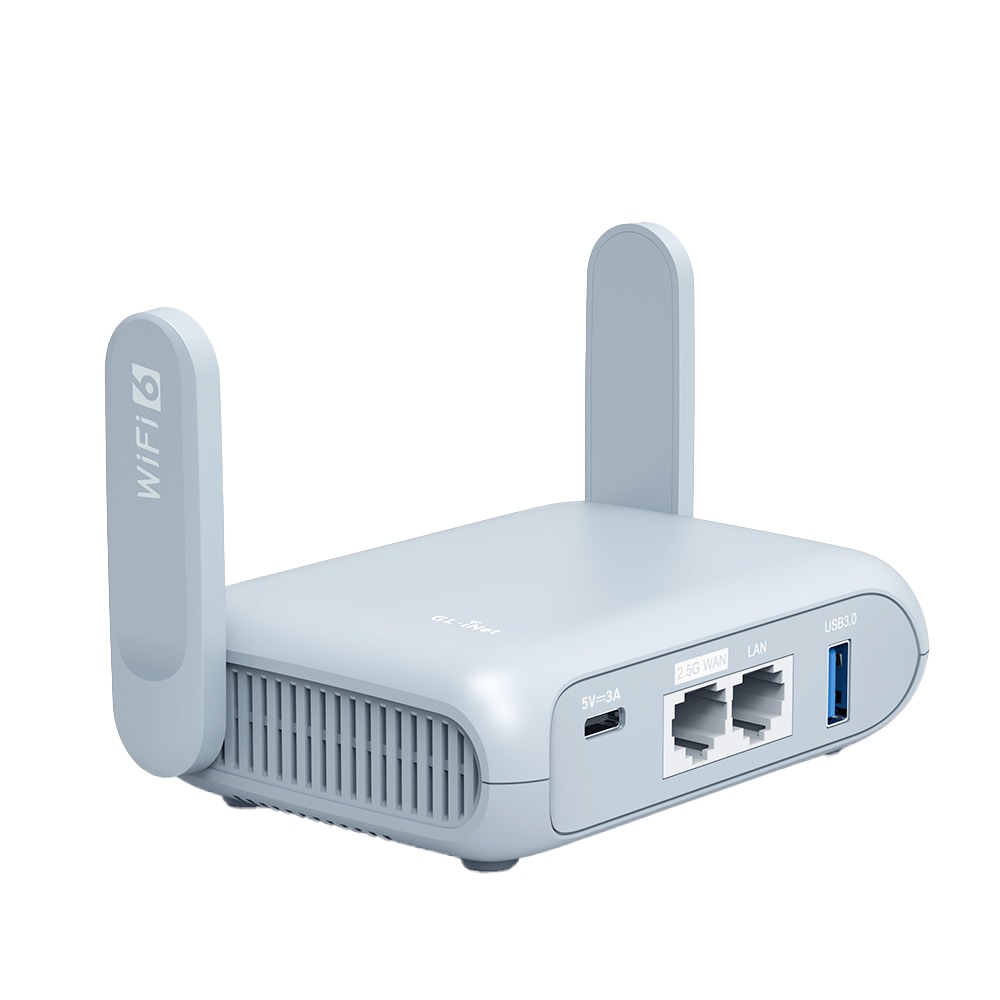
This pocket-sized router transforms any sketchy public network into a secure digital bunker.
When devices connect to the GL.iNet instead of dodgy hotel Wi-Fi or airport hotspots, it creates a VPN-protected bubble. Pre-installed OpenVPN and WireGuard clients instantly shield users from rogue access points and man-in-the-middle attacks. With dual-band Wi-Fi 6 supporting speeds up to 574 Mbps on 2.4 GHz and 2402 Mbps on 5 GHz, it ensures robust performance.
Beyond defense, its OpenWrt Linux OS allows loading packages for portable network analysis, scanning, and traffic monitoring. Equipped with 2.5 Gbps WAN, 1 Gbps LAN, USB 3.0, and USB-C power, this compact device serves both security needs and analytical operations on the go.
1. USB Killer
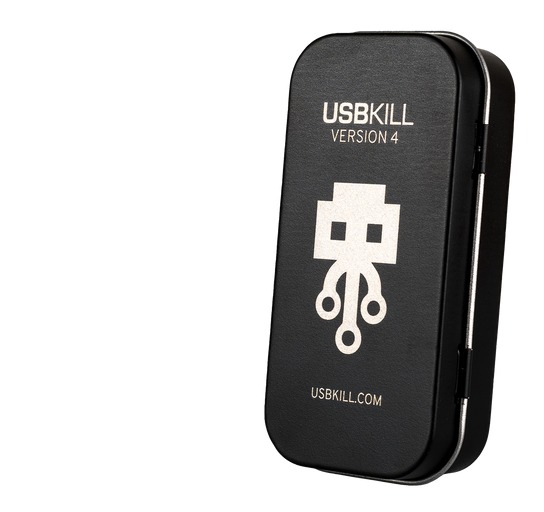
Using a USB Killer on any device without authorization is a serious crime; this tool exists strictly for hardware validation.
This seemingly innocuous USB drive charges internal capacitors from the host device’s power line. After roughly 1 second, it unleashes high-voltage pulses, specifically -200 to -215 V DC, back into the data lines. This massive surge typically obliterates unprotected USB controllers and often the motherboard itself, revealing weak spots in hardware defenses.
The USB Killer 3.0 requires a 4.5-5.5 V input and is built for serious testing. Its Pro Kit includes an adapter pack and a tester shield, allowing for safe, repeatable validation. Manufacturers use this to confirm that USB ports on ATMs, public kiosks, voting machines, or laptops possess adequate hardware-level surge protection, ensuring companies understand their vulnerabilities before someone else exploits them.