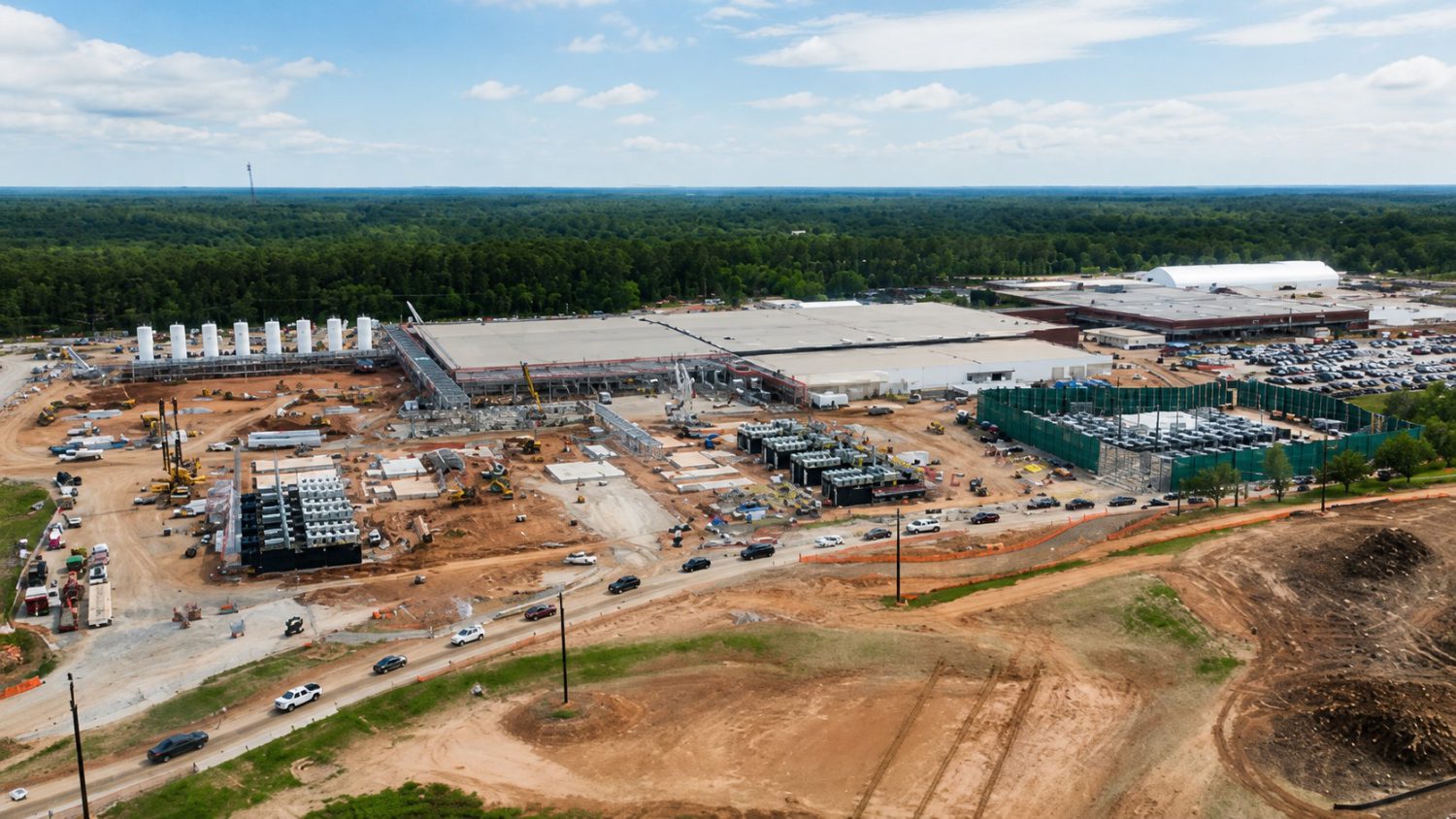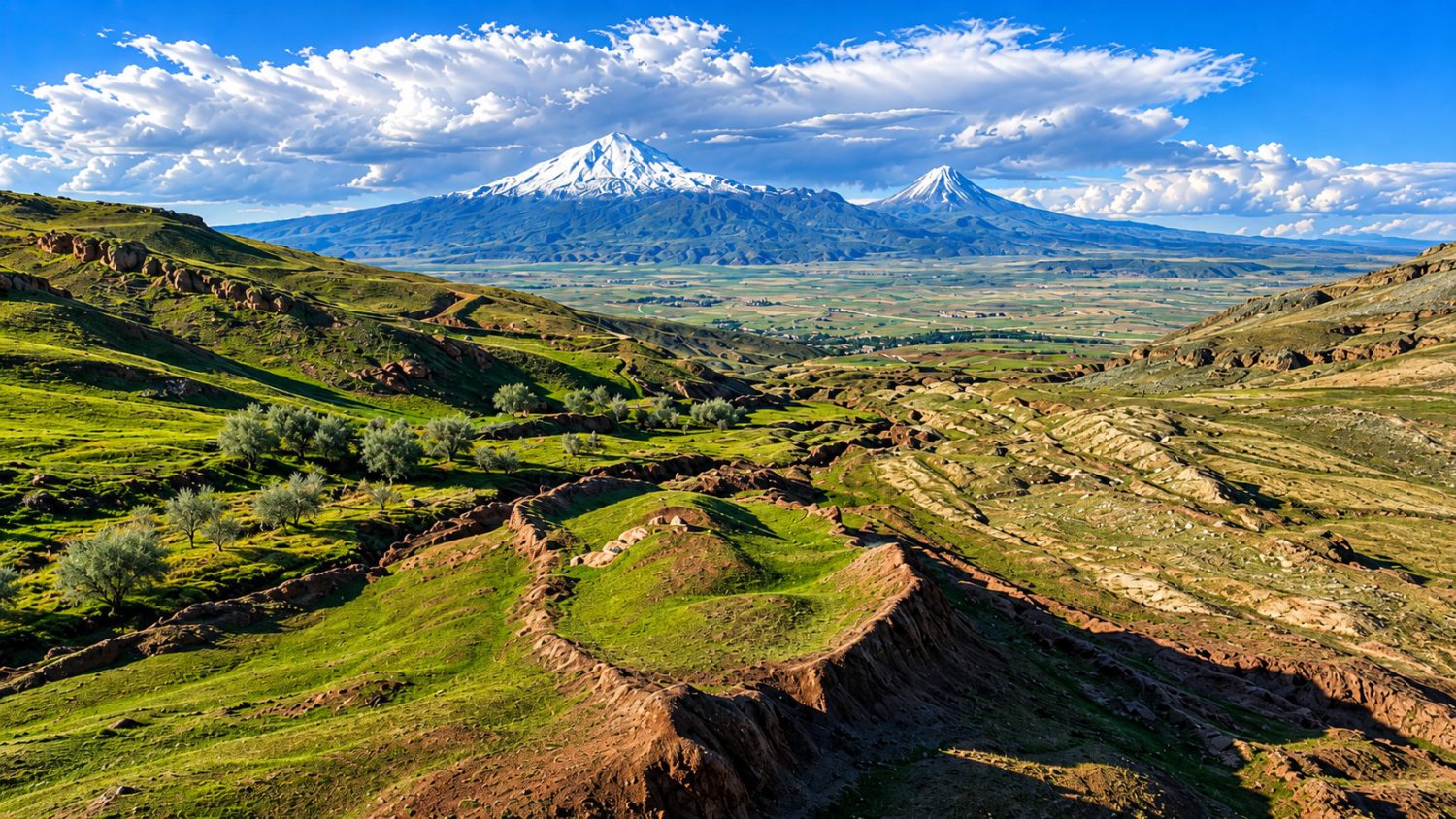
A boat-shaped geological formation in eastern Turkey has attracted serious scientific attention for decades. Now it has approximately 1,000 soil samples, a stack of radar data, and a team of researchers working through the winter to determine what any of it means.
The site is the Durupinar Formation, located near Dogubayazit in Agri Province, eastern Turkey. This past summer, a multidisciplinary team of approximately 20 researchers and students from five countries completed roughly 90 days of fieldwork there, coordinated by Prof. Dr. Cenker Atila of Sivas Cumhuriyet University, with fieldwork beginning June 29, 2026.
The results are preliminary. Lab analysis is ongoing. Nothing confirmed here points to Noah’s Ark.
What the Team Actually Found
Four findings from the 2026 season are now in the hands of laboratory analysts.
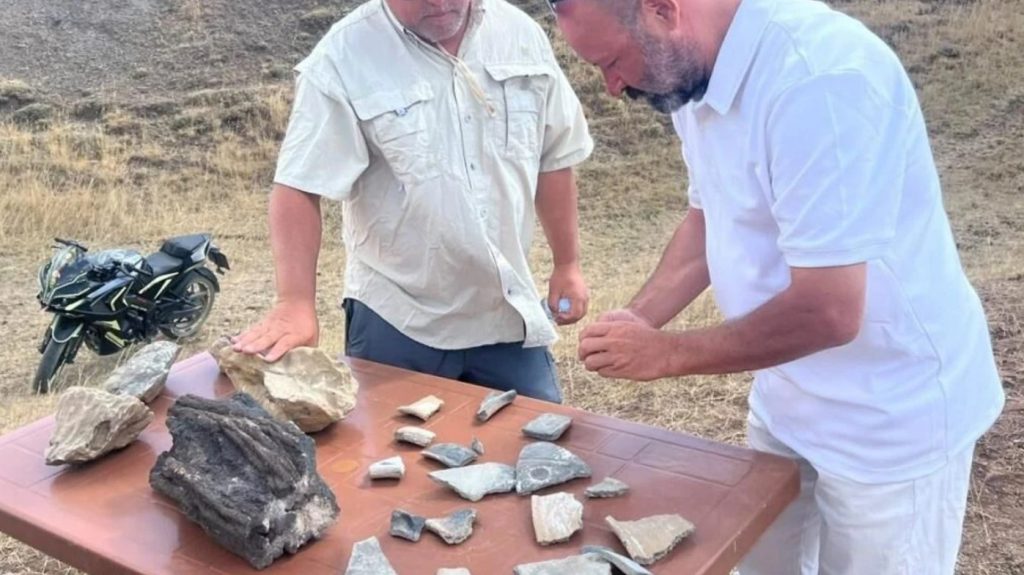
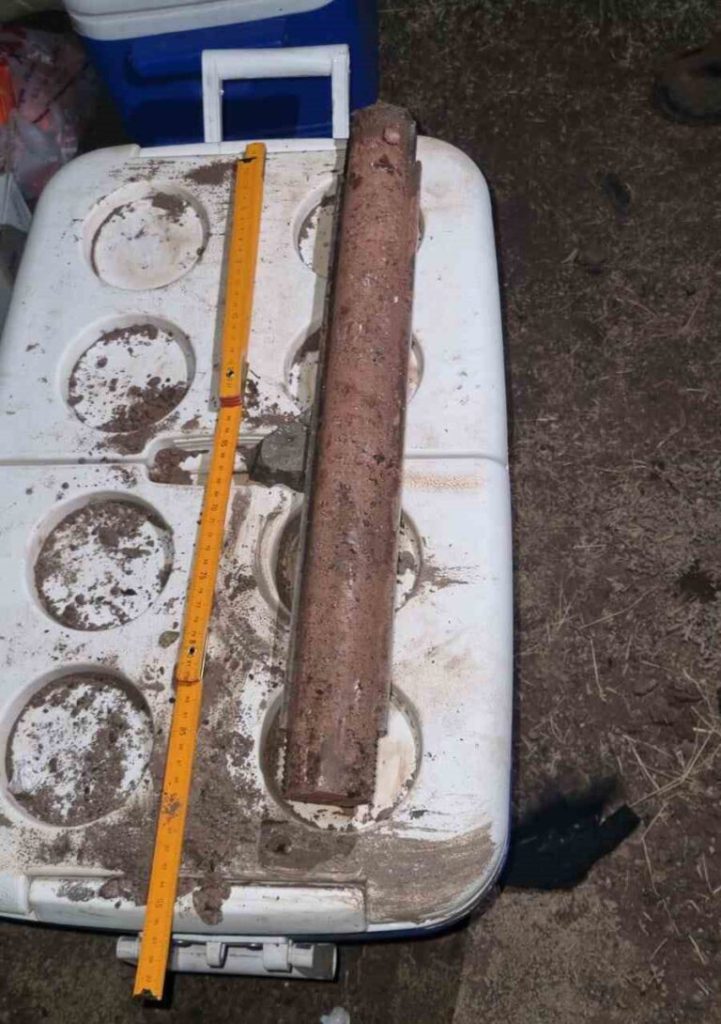
The field season generated a substantial dataset. Researchers collected approximately 1,000 soil samples from around 150 locations across the formation, guided by ground-penetrating radar to help identify priority sampling points. GPS measurements and digital two- and three-dimensional maps documented the site throughout, and core samples were extracted for deeper laboratory study.
The headline findings from the 2026 season break down as follows:
- Ground-penetrating radar reportedly identified subsurface anomalies with relatively regular edges and apparent right-angle intersections. Researchers suggested these could resemble structural compartments, but their origin remains uncertain.
- Preliminary measurements indicated that soil from the formation’s interior contains approximately 40% more carbon than soil collected outside it. Prof. Atila described this as potentially associated with organic material, possibly including wood. It is an investigative lead, not proof of preserved timber.
- Pottery fragments were reportedly recovered at the site, though no primary-source confirmation of the recovery has been published. Their age and cultural attribution have not been established through laboratory analysis, and they would not independently connect the formation to a flood narrative even if confirmed.
- Core and soil samples are now awaiting laboratory analysis. The composition of the subsurface anomalies and the presence of any organic material remain open questions.
Each finding justifies continued investigation. None of them, individually or together, establishes that the formation is a vessel.
What Earlier Science Said
A 1996 geological study offered a competing interpretation that remains directly relevant to evaluating the new data.
The Durupinar Formation has been examined before, and not every conclusion pointed toward an ancient ship. A 1996 paper co-authored by geologist Lorence G. Collins and researcher David Fasold concluded that the formation was a natural geological structure. They identified it as a syncline, a downward fold in rock layers shaped over time by erosion.
The same study examined large stones near the town of Kazan, previously linked by some researchers to ancient anchors. The stones were identified as locally sourced andesite, which challenged the hypothesis that they had been transported from Mesopotamia by an ancient vessel. The 1996 conclusions remain a significant competing perspective, and any honest reading of the 2026 results has to account for them.
What Happens Next
Lab results expected in early 2027 will determine whether the detected anomalies are geological or something else entirely.
Laboratory analysis through winter 2026-2027 will focus on soil composition, organic material content, and possible wood remains. Where suitable material is identified, radiocarbon dating may be considered as a next step. Dating can establish the age of a sample with reasonable confidence; it cannot confirm that a sample once belonged to a vessel, ancient or otherwise.
The broader research program runs through 2027. Findings are planned for publication under the title “Durupinar Formation 2026 Research” and presentation across three international conference papers or contributions. The standard for meaningful evidence at a site like this is clear. Any claim requires independently documented material, securely dated, recovered in an unambiguous archaeological context, and replicated by researchers outside the original team.
The Line Between a Lead and a Discovery
Peer review and independent replication are what separate preliminary findings from confirmed ones.
Radar anomalies and elevated carbon readings are the kind of results that justify returning to a site with sharper questions. They are not the kind of results that resolve a debate that has run for decades.
The 2026 field season generated additional data and advanced the investigation in measurable ways. What it produced was a more precise set of unknowns, which is exactly what rigorous preliminary fieldwork is supposed to do. Watch for the planned publications in 2027. That is where the actual argument gets tested.