Most reported school bus incidents involving Waymo’s robotaxis occurred after the company said it had already fixed the underlying software. That is the core problem federal safety regulators are now asking Waymo to explain. A driverless Tesla robotaxi incident earlier this year similarly raised questions about whether autonomous vehicle safety systems work as advertised.
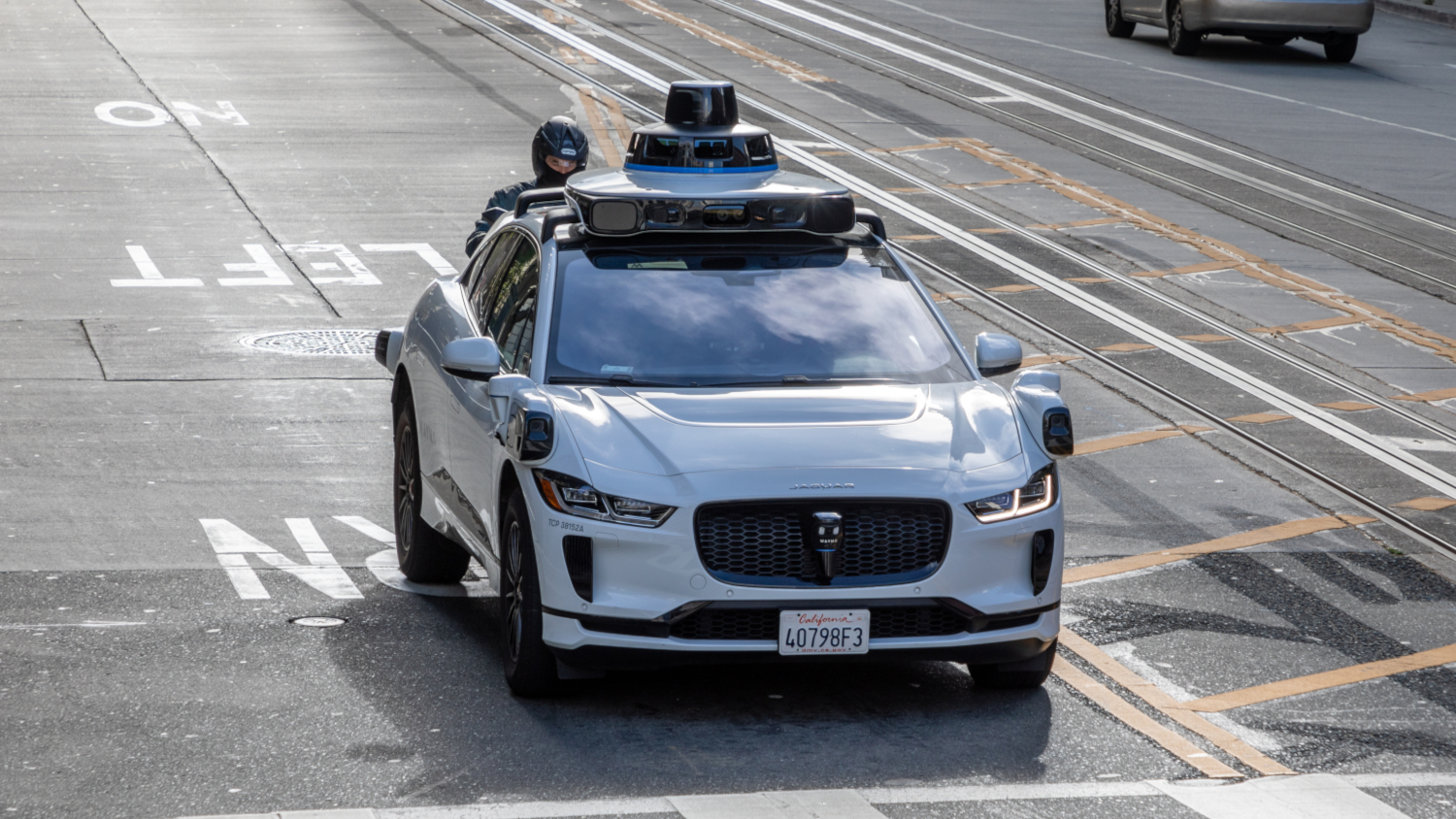
The National Highway Traffic Safety Administration’s Office of Defects Investigation opened recall query RQ26006 on November 6, 2026, covering 2,895 Waymo automated vehicles. The agency closed its earlier preliminary evaluation and escalated to this review specifically because reported incidents continued past the date Waymo said its corrective software was fully deployed.
What Started the Investigation
Video from Atlanta put Waymo’s school bus behavior in front of federal regulators for the first time.
NHTSA opened the original preliminary evaluation in October 2025 after reviewing footage of a Waymo vehicle maneuvering around a stopped school bus in Atlanta. The bus had its stop arm extended and red lights flashing while children were unloading; the robotaxi crossed in front of it and turned left before continuing down the street.
The Recall and the Remedy Date
Waymo said every affected vehicle had the corrective software weeks before the formal recall was even filed.
Waymo filed recall 25E084 on December 10, 2025. The software defect could cause a vehicle to pass a stopped school bus after initially slowing or stopping. The company said its corrective update was fully deployed across all affected vehicles by November 17, 2025, approximately three weeks before the formal filing date.
Why Regulators Are Skeptical
NHTSA’s own language signals the agency is questioning whether the fix worked effectively.
A majority of reported incidents occurred after November 17, 2025, the date Waymo said the remedy was complete. NHTSA’s Office of Defects Investigation stated that the post-remedy incidents “call into question the effectiveness of the recall remedy.”
The Austin ISD Reports
Austin school district officials flagged a pattern that went well beyond a single incident.
Austin Independent School District officials reported repeated incidents involving Waymo vehicles during the 2025–26 school year. According to Reuters, the district documented 19 incidents overall, including five in November after Waymo said it had updated the software.
Waymo’s Position
Waymo cites improved behavior but says it will engage regulators on how software recalls should work.
An unnamed Waymo spokesperson, as quoted by TechCrunch, said the company has “made significant improvements to vehicle behavior around school buses” and has “received no citations since March 2026.” Waymo said it will respond to NHTSA’s query and continue engaging with federal regulators on how recalls apply to software that can keep learning and changing.
What the Review Actually Means
NHTSA is asking whether the existing fix worked, not opening an entirely new defect investigation.
This distinction matters: NHTSA is not ruling that the software remedy definitively failed. The agency is reviewing whether the fix adequately corrected the defect, much as a regulator might verify that a recalled product part actually holds before closing the case. The outcome depends on Waymo’s technical response and the agency’s continuing analysis.
Regulators have not yet established why reported incidents continued after the deployment date. Open questions include what caused the post-remedy events, whether the same defect was present in each case, and what remedy, if any, NHTSA may ultimately require.