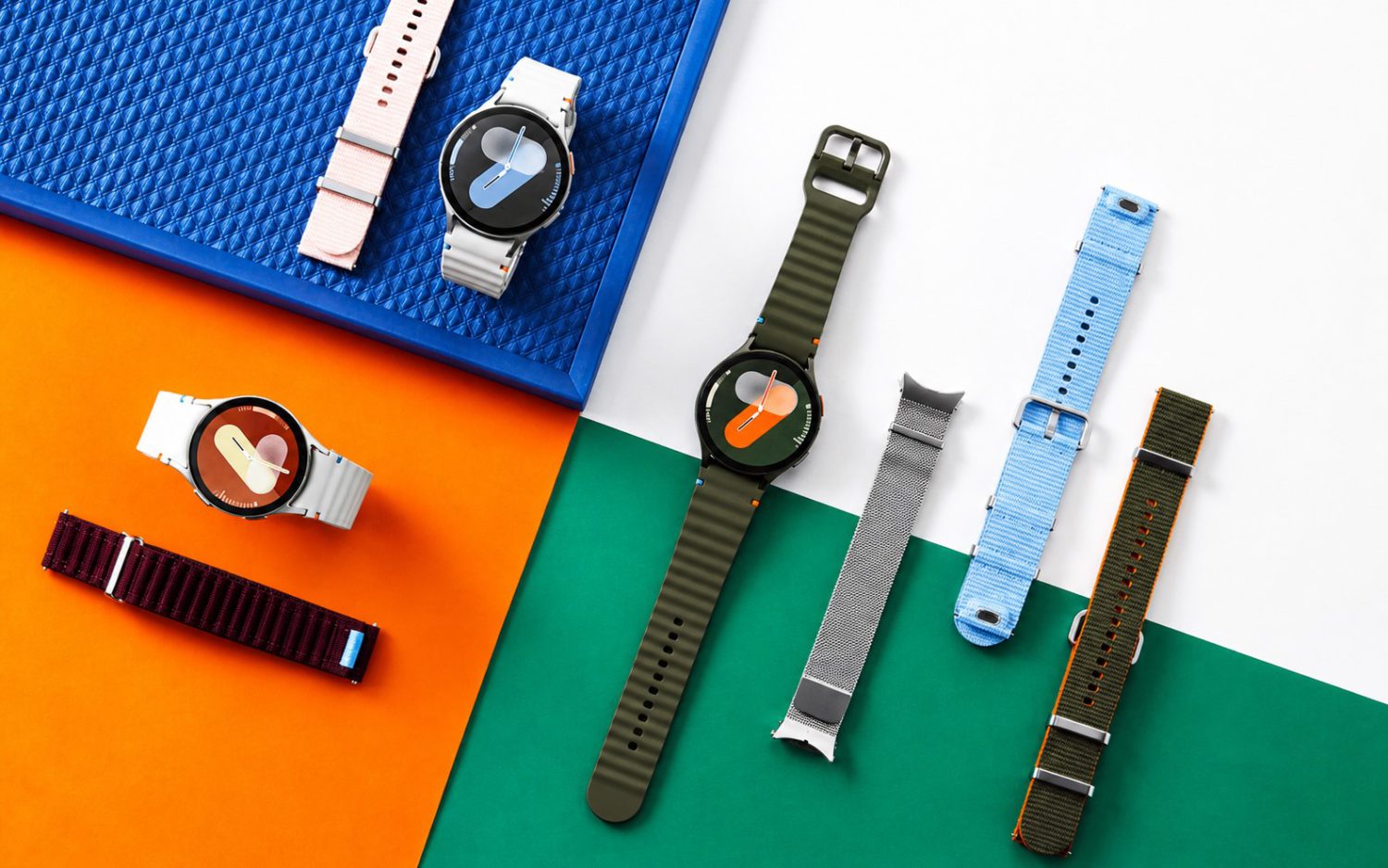
At $199, The Verge called the Galaxy Watch FE a “bogus bargain.” The criticism was pointed but fair. Reviewers across the board described a repackaged Galaxy Watch 4 with sluggish performance, a 247mAh battery requiring near-daily charging, and thick bezels on a 40mm display. TechRadar’s reviewer called it “one of the most confusing smartwatches I’ve ever tested” — partly because it often cost the same as the superior Galaxy Watch 6. That’s the wound. Galaxy Aero is reportedly the bandage.
Code strings referencing “Galaxy Aero” and “galaxy_rtos_watch” have been found inside Samsung’s Health and Galaxy Wearable apps, spotted independently by Gadgets & Wearables and SamMobile. The strings point to a watch-class device running RTOS — a real-time operating system, the same lightweight OS powering Samsung’s Galaxy Fit line — not Wear OS. Expected sensors include an accelerometer, gyroscope, and heart-rate monitor, according to TuttoAndroid. Display shape, GPS, NFC, case size, launch date, and final branding remain unconfirmed.
The Watch FE’s biggest failures, and what Aero is reportedly built to address:
- 247mAh battery with 5W charging — nearly two hours for a full charge, per Frontum
- Aging Watch 4 chipset producing sluggish app performance, per TechRadar and The Verge
- Thick bezels, single 40mm size, and a dated design, per TechRadar and Frontum
- Priced at $199, often matching or exceeding the better-performing Galaxy Watch 6
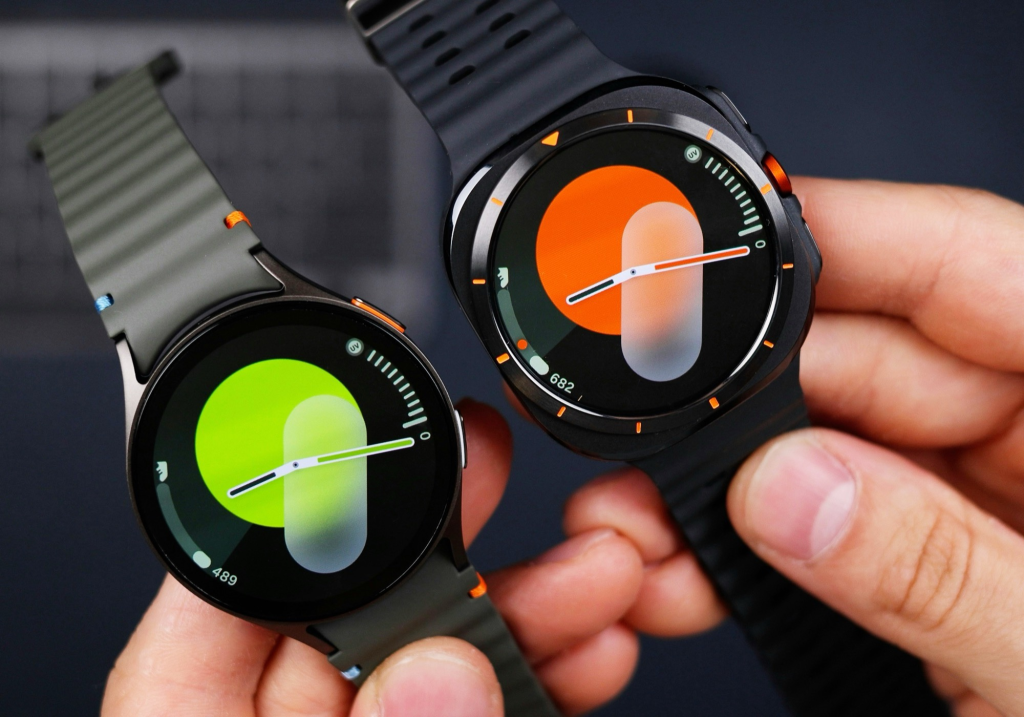
Why Ditching Wear OS Might Actually Be Smart
Swapping a full smartwatch OS for a lightweight real-time system is a deliberate tradeoff — and for budget buyers, it might be exactly the right one.
RTOS is the wearable equivalent of the flip phone resurgence — less capable on paper, better at the one thing most people actually need it for. No Google Play. No third-party Wear OS apps. What you get instead is efficiency. Amazfit and Huawei have run this playbook for years: skip the app store, win on battery life. NotebookCheck speculates that RTOS could enable multi-week battery life on Aero — purely inferential without final specs, but plausible given how much Wear OS drains comparable hardware.
That tradeoff is the whole point. Budget buyers don’t need a full app store on their wrist. They need step counts, heart rate, and notifications that don’t die by Tuesday. Fitness Gadgets purpose-built around these basics have consistently outperformed feature-bloated alternatives in user satisfaction.
On pricing, SamMobile via TechRadar reportedly expects Aero to land below the Watch FE’s $199 — which would position it as a direct challenger to the Apple Watch SE and alongside Amazfit’s affordable lineup. That figure isn’t confirmed by Samsung. Neither is the multi-week battery claim.
Galaxy Aero is still a codename with no launch date attached. But if Samsung prices it honestly and lets a lightweight OS do the heavy lifting, it could finally deliver the budget Android wearable that earns its place — rather than one that exists mainly to fill a gap on a spec sheet.