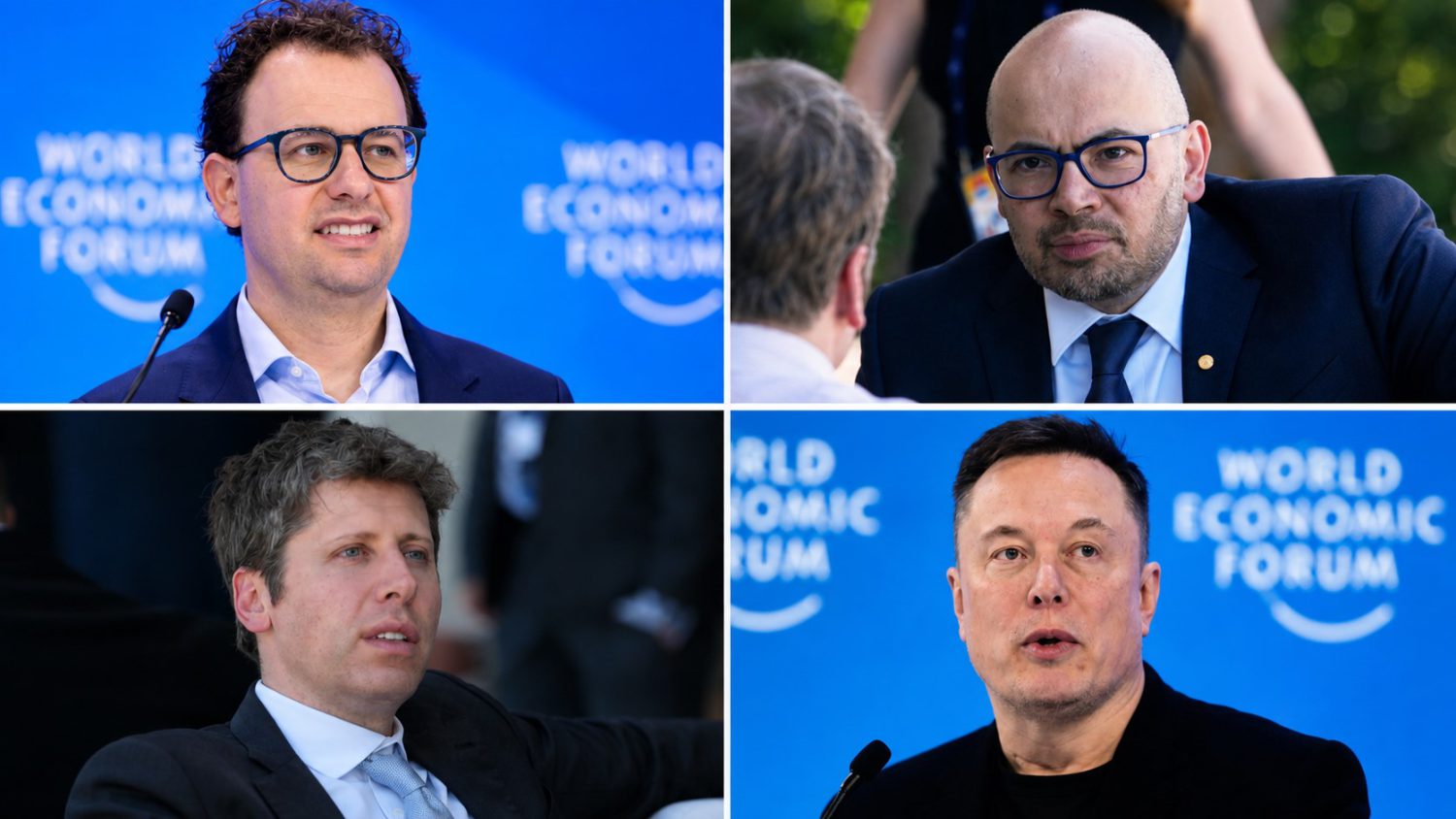
A federal antitrust lawsuit filed Friday in the U.S. District Court for the Northern District of California names four of the dominant AI companies as defendants: Anthropic, OpenAI, SpaceXAI, and Google. The core allegation is direct: these companies, which compete for your subscription dollars, allegedly made an illegal agreement to slow the pace at which their AI products improve. If the complaint holds up, the tools you pay monthly to use may have been improving more slowly than a competitive market would have otherwise produced.
What the Lawsuit Actually Alleges
The complaint frames a coordinated slowdown in AI product improvement as a textbook output restriction under federal antitrust law.
The legal theory rests on Section 1 of the Sherman Act, which prohibits agreements among competitors that restrain trade. The plaintiffs argue that a coordinated decision to slow product improvement is, functionally, an output restriction, the kind antitrust law has long treated as illegal regardless of stated motivation. As the complaint states, according to reporting by SAN and Bloomberg Law: “An agreement among competitors to reduce the quality of their products and the rate at which those products improve is an agreement to restrict output.”
Four individual plaintiffs, each a paying subscriber to one of the named services (ChatGPT, Claude, Grok, or Gemini), filed the suit and seek to represent a nationwide class of similarly harmed subscribers. Their argument is straightforward: they paid for tools they expected to keep improving, and a coordinated industry-wide slowdown allegedly denied them that value. Typical remedies pursued in cases like this include monetary damages and injunctive relief to bar or unwind the alleged collusive agreement.
The Evidence Plaintiffs Are Using
The complaint draws on three specific coordination events spanning July to September 2026 to build its case.
The first dates to July 2026, when high-ranking employees across several leading AI labs signed a joint statement. That document acknowledged “intense competitive pressure not to unilaterally slow” AI development, according to the Associated Press, and called on governments to support a global effort to slow automated AI research. Plaintiffs cite it as evidence that coordination among competitors predates the more public September events by months.
The second is an essay published September 12, 2026, by Anthropic CEO Dario Amodei, titled “We Must Pace the Frontier.” In it, Amodei called for industry-wide coordination to slow the rate at which frontier AI models become more capable, framing the proposal as a safety measure. He outlined a three-part framework: embedding independent evaluators inside AI labs, coordinating safety standards among frontier firms in democratic countries, and pursuing international compliance agreements. Amodei himself acknowledged the legal tension, suggesting the effort might require targeted antitrust exemptions. He wrote, as reported by The Philadelphia Inquirer: “We must slow the pace at which we improve the capabilities of AI models.”
The third event is the one plaintiffs lean on most heavily. According to multiple news reports summarizing the complaint, OpenAI CEO Sam Altman, SpaceXAI founder Elon Musk, and Google DeepMind co-founder Demis Hassabis each publicly endorsed Amodei’s call to “pace the frontier” within hours of the essay’s publication. The near-simultaneous nature of those responses, from the leaders of four direct competitors, is what plaintiffs characterize as an actionable agreement to restrain competition. The exact wording and URLs of those posts were not independently confirmed in available sourcing; attribution follows multiple news reports describing the complaint’s account.
Safety Coordination or Illegal Collusion?
The central legal question is whether public, safety-motivated statements among rivals can constitute an actionable agreement under antitrust law.
The defendants’ framing is consistent across reporting. Amodei and aligned leaders present the pacing proposal as a necessary safety response, not an economic pact. Their argument is that rapidly advancing AI capability is outrunning safety research and independent evaluation, creating real systemic risks. Amodei was also explicit that unilateral slowing by any single firm would be economically untenable and geopolitically risky, ceding ground to rivals or foreign competitors. That is precisely why he called for coordinated, regulated action rather than individual restraint.
The plaintiffs’ counter does not engage with the safety rationale at all. Under antitrust law, intent matters less than effect. If competitors agreed, even publicly and even for safety reasons, to restrict the pace of improvement in a product consumers pay for, the alleged harm to competition may stand regardless of stated purpose.
The broader legal question, as framed by coverage from The Hill, AP, and Bloomberg Law, is whether public safety-oriented statements among rivals can constitute an actionable agreement under Section 1. That question becomes harder to answer when those statements are followed by what plaintiffs characterize as actual coordinated behavior. One important clarification: this remains a private civil lawsuit, and no U.S. antitrust enforcement agency has brought an action on the same facts as of the latest available reporting.
The case now moves through the Northern District of California. If the court certifies the class, a large share of paying AI subscribers in the United States could become party to the suit. The question courts will eventually have to answer cuts to the center of how this industry governs itself: where does safety collaboration end and market collusion begin?