One manager. Thirty-eight safety operators. A fleet of Full Self-Driving test vehicles threading through Houston traffic. When a crash occurred under that single manager’s watch, the complaint alleges he processed the incident while asleep and gave guidance that left the operator stranded at the scene for roughly an hour. Javier Medrano, a former Tesla testing manager, has filed a federal lawsuit claiming Tesla knowingly ran its FSD program with dangerous oversight gaps — then fired him when he spoke up. A pretrial conference is set for November 19, 2026, according to court filings reported by AOL.
The Numbers Tesla Allegedly Ignored
The staffing math behind Medrano’s complaint tells a story that no software patch can explain away.
- Medrano managed Houston FSD testing from October 2024 to May 1, 2025
- Tesla Autopilot Director Pete Scheutzow reportedly set an internal baseline of one manager per 15 operators
- Medrano was allegedly assigned 38 operators — more than double that standard
- His responsibilities included auditing driving clips, conducting weekly ride-alongs, managing safety incidents, and staying on-call during the week
- The complaint claims he told Scheutzow he wasn’t sleeping or eating properly, and was allegedly dismissed
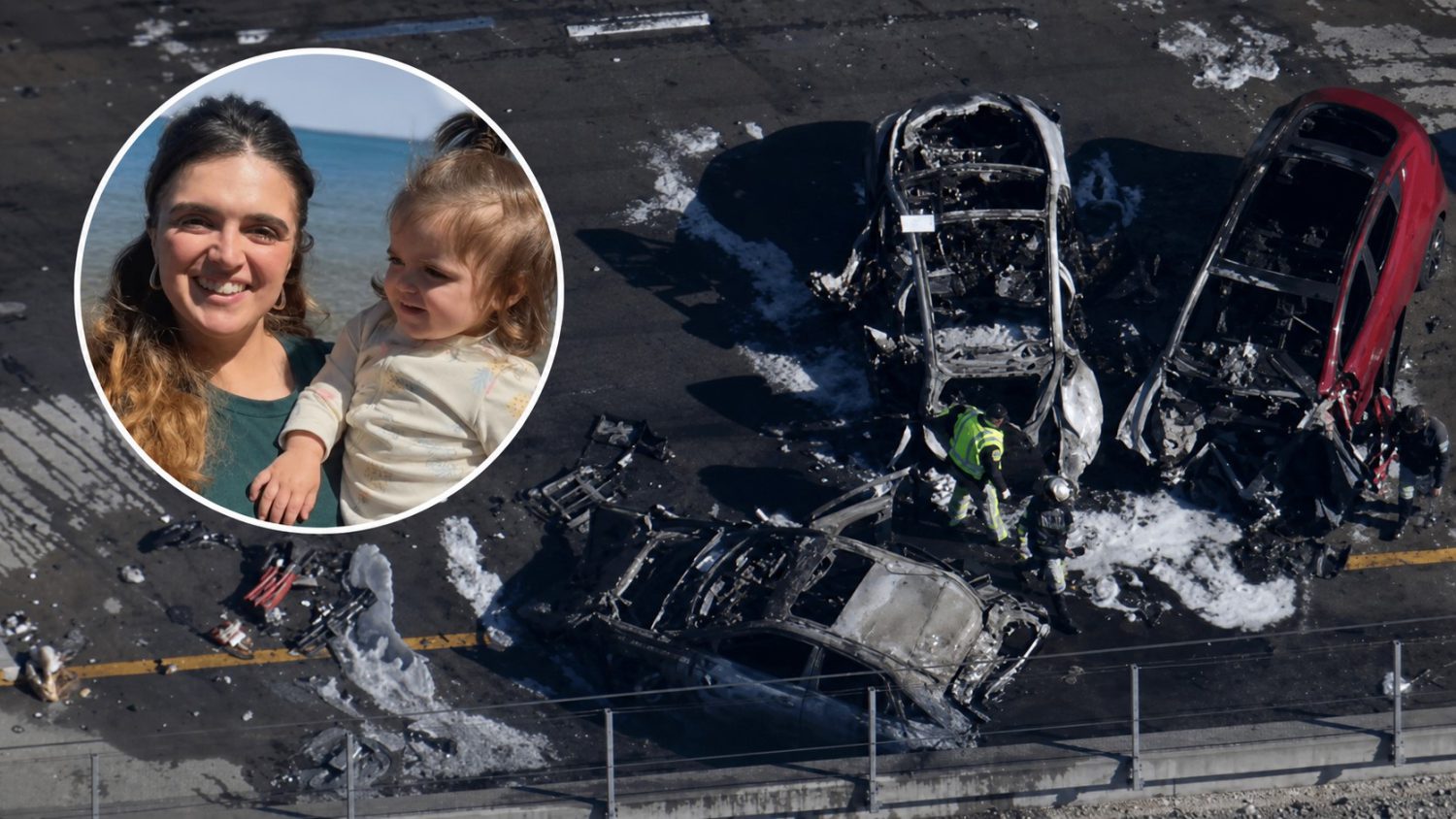
A crash allegedly occurred under Medrano’s watch. The complaint says he processed the incident while asleep and gave guidance that left the operator at the scene for roughly an hour. These allegations remain unproven, and Tesla has not publicly responded to the suit.
That 38:1 ratio isn’t a spreadsheet rounding error. It’s the workplace equivalent of asking one air traffic controller to manage two airports simultaneously — except these vehicles share roads with your daily commute.
“Rolling hazards on public streets” — how Medrano’s complaint describes the Houston FSD test fleet, according to Engadget.
One More Problem for Tesla’s Autonomy Narrative
The legal record accumulating around Tesla’s self-driving program is getting harder to separate from the company’s confident public pitch.
While Tesla pushes a robotaxi future, the courtroom ledger keeps growing. Reuters reported in May 2025 that Tesla may be overstating FSD’s safety record. NHTSA maintains an open investigation into the self-driving technology. In February 2026, a federal judge upheld a $243 million verdict against Tesla over a fatal 2019 Autopilot crash. The gap between Tesla’s public confidence and its courtroom reality is widening in ways that are increasingly difficult to dismiss.
Here’s the distinction that matters for you: this case isn’t arguing the software failed. It’s arguing the humans watching the software were stretched past breaking point. Even a functional autonomous system becomes dangerous when oversight is under-resourced — and that’s an organizational failure no firmware update can fix. If you’re tracking Tesla’s robotaxi ambitions, this lawsuit just introduced a variable that lives entirely outside the code.