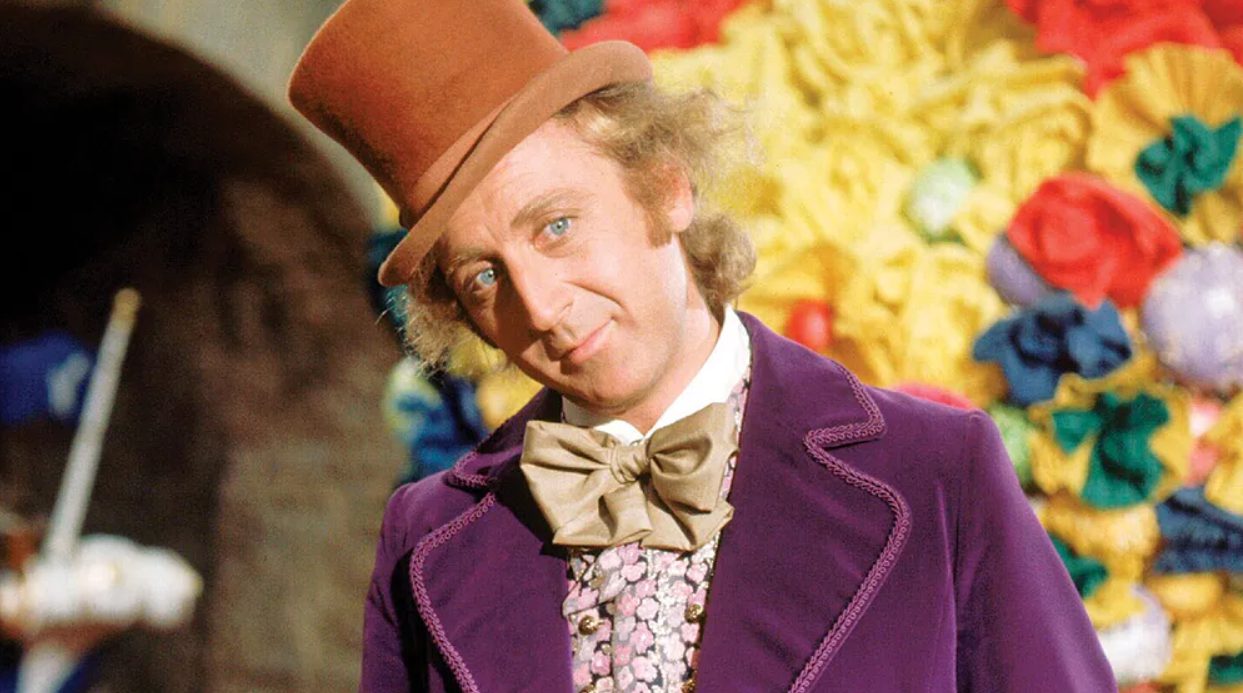
Somewhere between the chocolate waterfall and the elimination round, a dead man’s voice tells contestants whether they’ve won. That’s the pitch for “Wonka’s The Golden Ticket,” Netflix’s upcoming reality competition premiering September 23. The streamer partnered with AI audio firm ElevenLabs to reconstruct Gene Wilder’s voice as an omnipresent Wonka narrator — guiding contestants, setting challenges, delivering whimsy from beyond the grave. His estate signed off. His fans did not.
The Factory Floor
Twelve contestants, nine episodes, and one synthetic ghost running the show.
Produced by Eureka Productions, the series drops 12 golden ticket winners — each bringing a partner — into a Wonka-themed gauntlet of challenges drawn from the 1971 film and Roald Dahl’s source novel. Netflix holds the Roald Dahl IP. ElevenLabs built the synthetic voice. Karen B. Wilder, Gene’s widow, publicly endorsed the project, saying she was “delighted” that the show “celebrates the imagination” her husband brought to the role. Worth noting: Wilder himself once dismissed the 2005 Tim Burton remake as “all about money,” a quote fans are now recirculating with pointed timing, according to NBC News. No unified regulatory framework currently governs AI recreations of deceased performers’ voices — the arrangement rests entirely on private agreements between Netflix, ElevenLabs, and the estate.
The Bitter Aftertaste
Estate consent hasn’t stopped fans from calling the synthetic voice “a plastic substitute.”
The backlash isn’t really about whether the technology works. It’s about whether it should. Fans online labeled the AI voice “disrespectful,” with one critic quoted by Euronews noting it “sounds like every robotic AI voice you have heard.” Film reviewer Stefan Ellison posted on X what many were already thinking: “Just hire someone to play Willy Wonka,” as reported by NBC News. The ghost of Glasgow’s catastrophic 2024 “Willy’s Chocolate Experience” — that warehouse-of-broken-promises that drew police calls and a million memes — haunts the conversation like a cautionary chocolate stain.
Testing the Waters With Somebody Else’s Legacy
Disney pulled off AI Darth Vader — but Wilder’s Wonka invites far sharper scrutiny.
Disney’s Respeecher-powered James Earl Jones in 2022’s Obi-Wan Kenobi worked partly because it felt invisible. This feels conspicuous. Jocelyn Burnham, who studies AI in arts and culture, told Euronews that studios are currently “testing the waters” with no “settled set of industry norms” in place — and that the more beloved the voice, the harsher the judgment tends to be. Wilder’s Wonka sits near the very top of that list. Legal scholars note that no U.S. federal right-of-publicity law specifically covers post-mortem AI voice cloning, meaning the ethical weight falls almost entirely on estate decisions rather than enforceable regulation.
The estate said yes. The internet said absolutely not. Netflix will find out on September 23 whether nostalgia still holds when the voice delivering it was never actually spoken in the room.