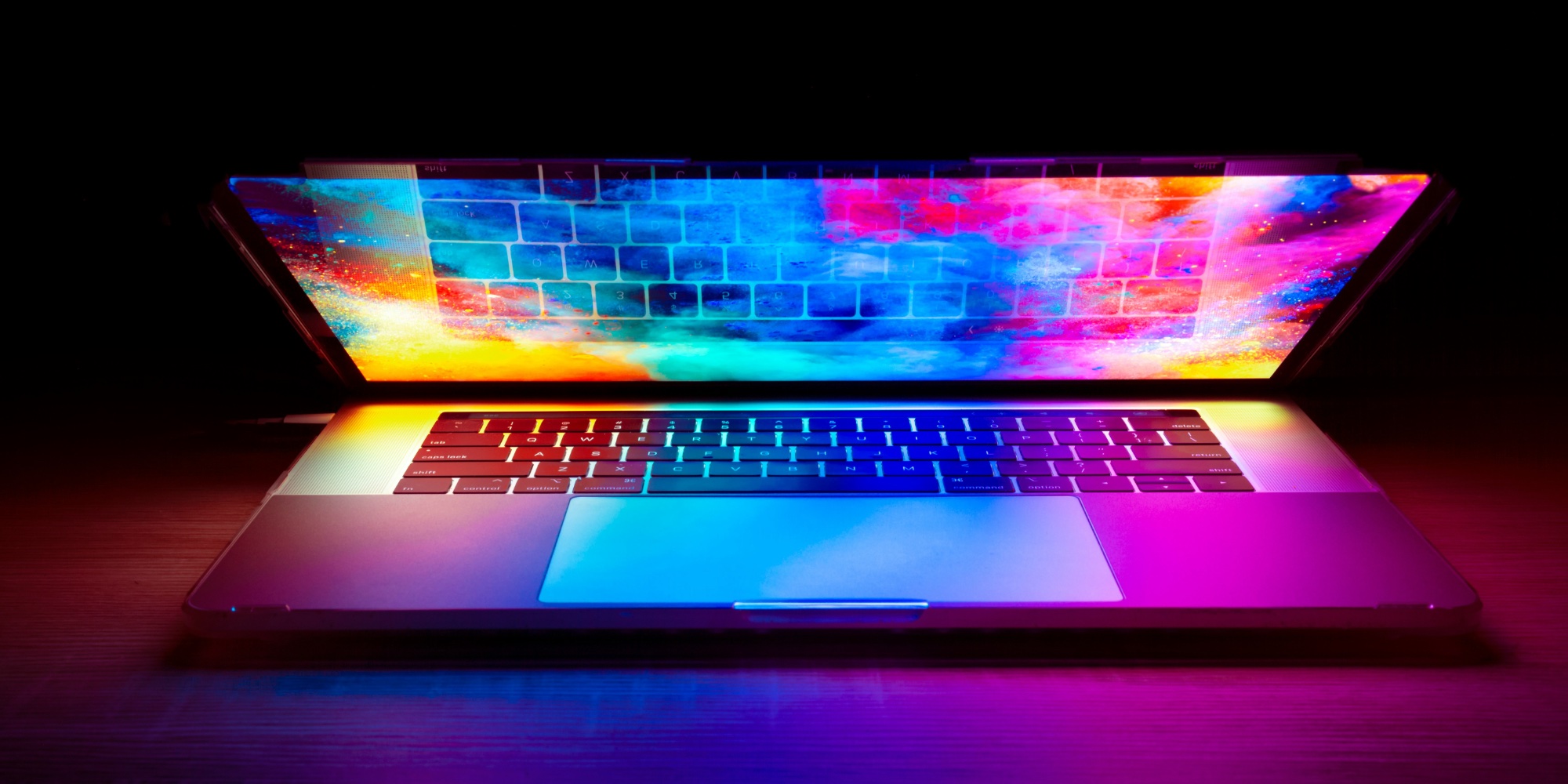
Steve Jobs once called vertical laptop touchscreens “ergonomically terrible.” Now Apple’s own macOS 27 beta is quietly embedding touch APIs into its code the way a chef tests a new dish before adding it to the menu. The macOS 27 “Golden Gate” beta includes explicit touchscreen UI elements and gesture references, according to Notebookcheck and developers digging through the builds. Supply-chain leaker Instant Digital went further on Weibo, declaring a touchscreen MacBook “100% confirmed,” as reported by CNET and 9to5Mac. Apple hasn’t announced hardware. But when the software starts dressing for a party, the hardware usually shows up.
What’s Actually Confirmed – And What’s Still Smoke
The strongest evidence isn’t hardware – it’s the operating system.
macOS 27’s touch APIs represent the most concrete signal available. Apple doesn’t build input frameworks for devices that aren’t coming. Beyond that, everything falls into the “credible rumor” bucket, sourced from analysts like Mark Gurman and Ming-Chi Kuo.
What the leaks describe:
- Display: OLED panels at roughly 14.3 and 16.3 inches (codenames K114 and K116), with rumored tandem OLED – the same stacked-layer technology Apple introduced in the M4 iPad Pro – for improved brightness and burn-in resistance
- Touch: Multi-touch “like an iPad,” designed as supplementary input alongside keyboard and trackpad. This isn’t becoming a tablet.
- Design: Complete chassis redesign. Thinner. Lighter. The notch reportedly dies, replaced by a Dynamic Island-style pill cutout
- Chip: Sources conflict here. Some say M6 Pro/Max debut; others, referencing Gurman, suggest M5 Pro/Max ships first with an AI-focused M7 arriving in the second generation
- Timeline: Late 2026 is the consensus window, with mass production reportedly starting then and a possible slip into early 2027
“A touchscreen MacBook is 100% confirmed.” – Instant Digital, supply-chain leaker, via Weibo (as reported by CNET
What It’ll Cost You – And Who It’s Really For
This machine targets creators currently running a MacBook-plus-iPad workaround.
Current MacBook Pros start at $1,999 (14-inch) and $2,999 (16-inch), per Apple’s official pricing. Analysts estimate the OLED touch models will land around $2,499 and $3,000-plus, respectively. Steep – but if you’re already carrying both a MacBook Pro and an iPad Pro for touch workflows, collapsing that into one device changes the calculation considerably.
Windows touch laptops from Surface and Lenovo have offered this for years. Apple arrives late but brings macOS, Apple Silicon efficiency, and deep ecosystem integration as differentiators. There’s also an unconfirmed rumor of built-in 5G using Apple’s in-house modem – treat that as pure speculation until further evidence surfaces.
If you’re weighing a MacBook Pro upgrade right now, patience probably pays. Late 2026 isn’t far off, and the convergence of OS-level preparation with supply-chain confirmation makes this the most credible unreleased Mac in years.