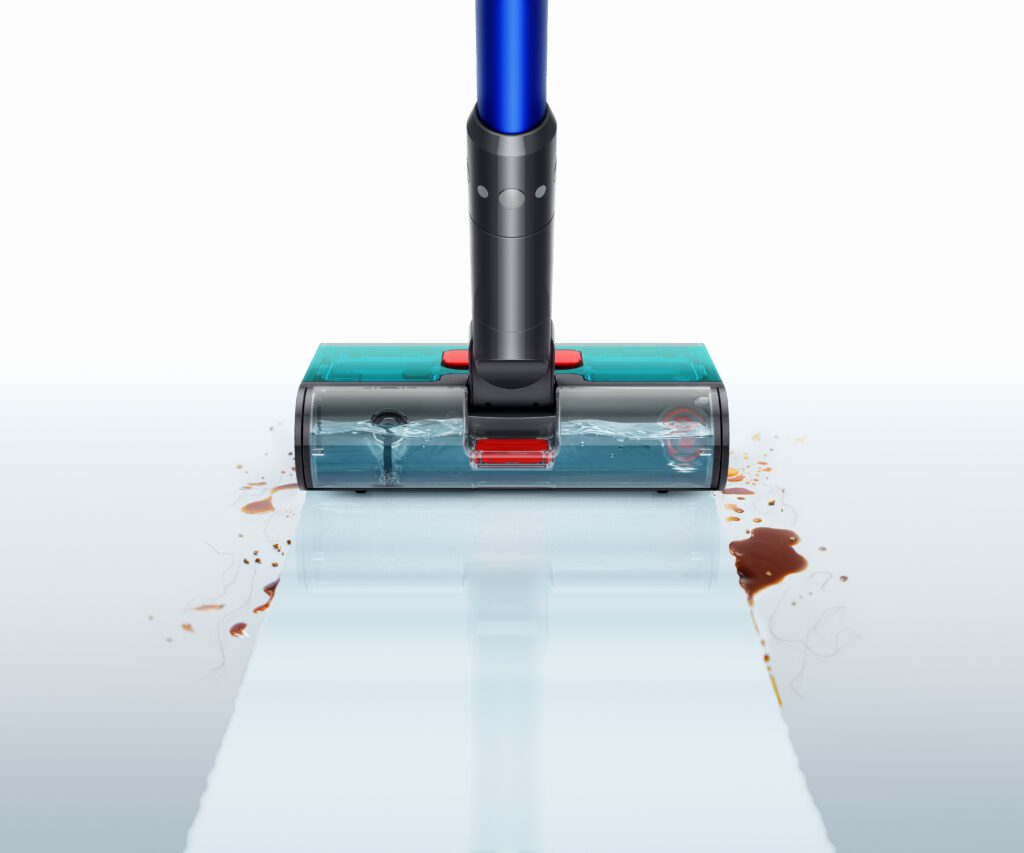
Cleaning a wet-floor roller after every use is the chore nobody signed up for. Wringing out a filthy cylinder, watching hair and debris fall into the sink, then hoping the thing dries before it smells like a gym bag: Dyson designed the W1 PencilWash + Dok around that frustration, and it is available now at $349.99.
The Dok is a free-standing magnetic charging base that automatically runs a self-cleaning cycle on the roller while the machine charges, addressing a common maintenance complaint about wet-floor cleaners.
What’s Actually New
The upgraded roller, redesigned waste path, and self-cleaning dock together form the core of Dyson’s October 2026 refresh.
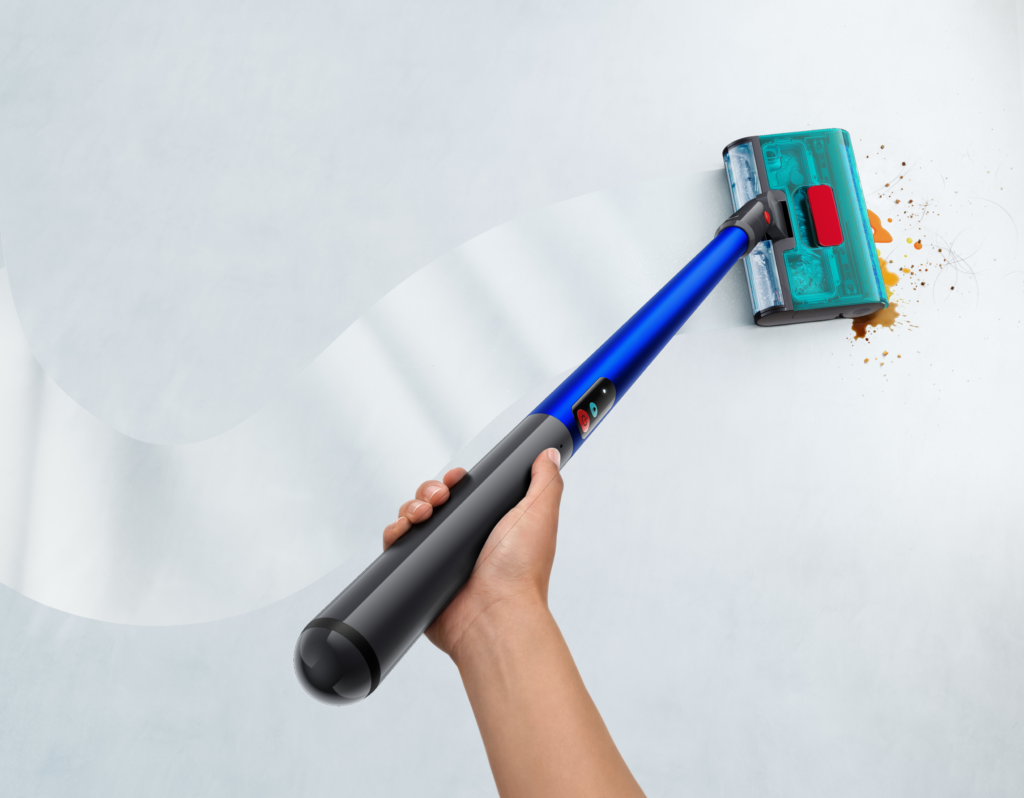
The revised roller packs 84,000 microfiber filaments, 16% more than the previous PencilWash model, according to Mashable’s launch coverage. Integrated nylon bristles agitate and collect hair, while an anti-tangle comb is designed to limit wrapping from longer strands.
Dyson also redesigned how the machine handles waste. Wet and dry debris separate at the cleaner head, which is intended to reduce clogging and make disposal more hygienic.
On drying performance, Dyson claims floors dry within approximately 60 seconds and retain less than 1 gram of water per square meter. These are manufacturer figures; no independent comparative testing had been published as of launch.
Key specs, per Target and Best Buy retail listings:
- 84,000-filament hybrid microfiber and nylon roller with anti-tangle comb
- 290 mL clean-water tank; up to 45 minutes of runtime per charge
- Two hydration modes for lighter spills or heavier stains
- 12 hydration points across the roller
- Approximately 5.8 to 6 pounds; 2.95-inch clearance when reclined; 180-degree lay-flat design
The Dok and the $349 Question
The self-cleaning dock is the feature most likely to determine whether this machine holds its value over time.
Dock the machine and walk away; the self-cleaning cycle runs automatically while the battery charges.
One regional caveat deserves attention. A separately documented UK wand-dock configuration reportedly lacks the self-clean feature entirely, according to third-party retailer documentation. Buyers should confirm the exact package contents before purchasing, particularly outside the United States.
At $349.99, this machine positions itself as a premium option in a category where decent alternatives cost considerably less. Dyson lists a stated cleaning range of up to 3,444 square feet per tank fill, though that figure reflects a manufacturer maximum under unspecified test conditions.
The hard-floor-only design limits the practical audience to apartments, kitchens, and similar spaces. For anyone working through a larger area, the swappable battery removes the wait for a full recharge, provided a second charged battery is available.
Independent review data was limited at launch. Best Buy listed no customer reviews, and Target displayed only early rating data as of publication.
The Trade-Off
The machine’s strongest arguments are its self-cleaning dock and its sub-3-inch reclined clearance, not its tank size or independently validated performance figures.
The slim profile may reach spaces that bulkier machines cannot, and the Dok removes the most tedious part of post-cleaning maintenance. Whether that combination justifies $349 over cheaper smart gadgets depends on how much weight you place on dock automation and low-clearance reach.
Long-term testing will determine whether the self-clean cycle holds up over months of use. It will also reveal whether the anti-tangle system performs as Dyson claims under real conditions.