Four hundred and nineteen XR patents reportedly changed hands between Sony and Meta across 2025 and 2026. If you own a PSVR2 or you’re a developer deciding where to place your platform bets, that number deserves your attention.
What Actually Happened
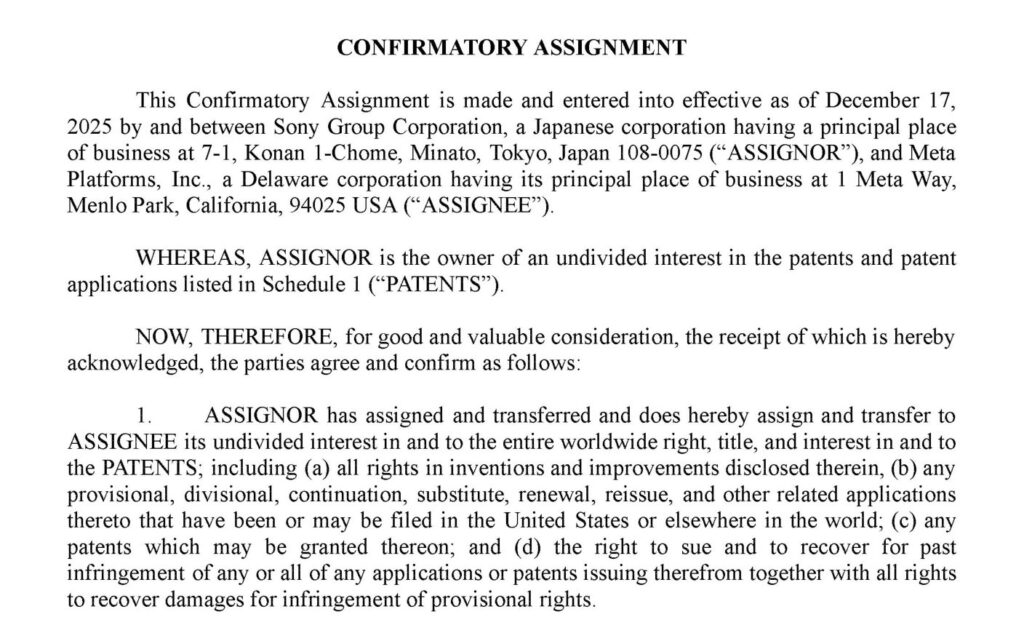
Sony and Meta reportedly signed a Confirmatory Assignment agreement in December 2025, setting the transfer in motion before either company said a public word about it.
The portfolio spans 180 U.S. patents and 239 patent-family filings, according to reporting from Road to VR and ZDNet Korea. Those filings extend across Japan, China, South Korea, Europe, and additional regions. U.S. property records show 43 patents changed hands in monthly batches between June and September 2026. Sony originally filed the patents between 2010 and 2022, and neither company has issued a public statement explaining the transaction.
What It Means, and What It Does Not Prove
A patent transfer can have multiple strategic or commercial explanations, but the scale of this one makes it harder to dismiss.
The subject matter is telling: technologies covering XR information processing, HMD systems, and glasses-related designs represent core consumer XR hardware research. ZDNet Korea characterized the move as potentially signaling a contraction of Sony’s XR hardware ambitions, a framing that available evidence supports. What it does not support is a confirmed total exit. Sony has not publicly announced the end of PlayStation VR, and reporting has not established that every XR-related project inside the company has stopped. The defensible reading, based on available reporting, is that Sony appears to be stepping back from competing directly in consumer XR hardware.
The PSVR2 Situation
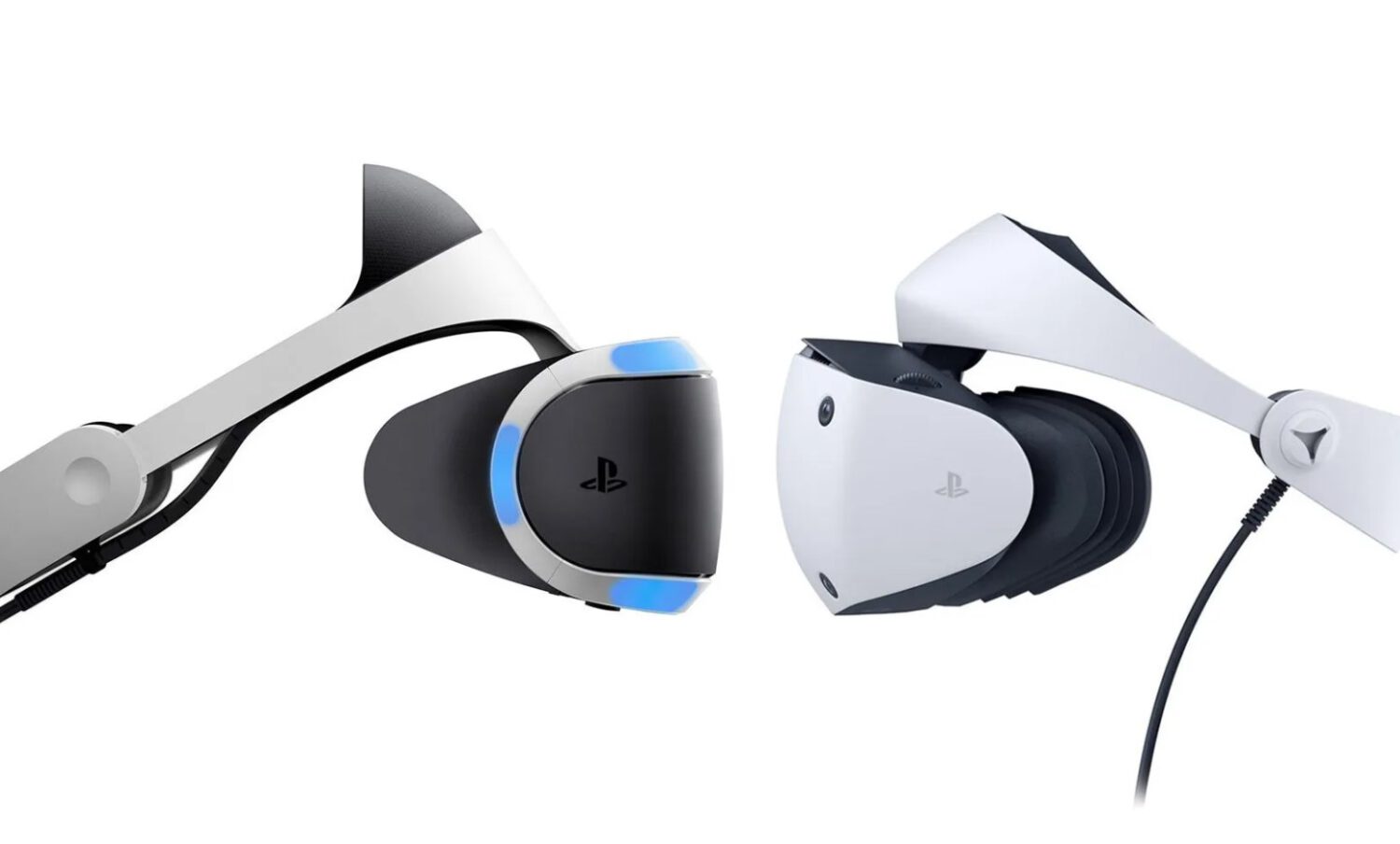
The original PSVR sold roughly 5 million units over three years, per a Bloomberg account cited by Comicbook.com; PSVR2 launched into a harder market at a higher price with thinner software support.
PSVR2 arrived in February 2023 at $549.99, which was more expensive than a PlayStation 5 at the time, according to Comicbook.com reporting. Sony later introduced a PC adapter for the headset, expanding compatibility without any accompanying public statement framing it as a platform investment. Recent reporting describes the ongoing software pipeline as largely third-party and independent. Existing PSVR2 hardware and purchased games are not ordinarily affected by a patent transfer. The more immediate concern is what Sony’s apparent pullback means for future first-party support and any successor hardware.
Why Meta Wants Sony’s Research
The acquired patents align with Meta’s longer-term push to move beyond bulky headsets toward lighter, more wearable devices.
Sony’s transferred portfolio covers XR processing, HMD architecture, and glasses-specific designs, which is precisely the territory Meta’s Reality Labs organization is navigating. Owning Sony’s older research could provide Meta with additional intellectual property protection as the hardware competition in that space continues. Road to VR reporting notes that available information does not establish which specific products Meta intends to build using these patents, and ownership does not guarantee any particular technology reaches a shipping device.
What Comes Next
The clearest indicators of Sony’s real intentions will be its first-party software commitments and any future hardware announcements.
If Sony funds major VR titles, announces new hardware, or clarifies the scope of this transfer, the picture sharpens considerably. Until then, the patent record may suggest a pullback from XR hardware as Meta continues to invest heavily in the category.