When dropping thousands on refrigerators, ranges, or dishwashers, anyone expects at least a decade of reliable service. Yet some brands, despite glowing heritage, now deliver less innovation than their price tags suggest. Acquisitions, rebadging, and design missteps have turned once-dominant names into cautionary tales. Below are four historically prestigious appliance brands where the nameplate no longer guarantees the performance or engineering prowess it once did.
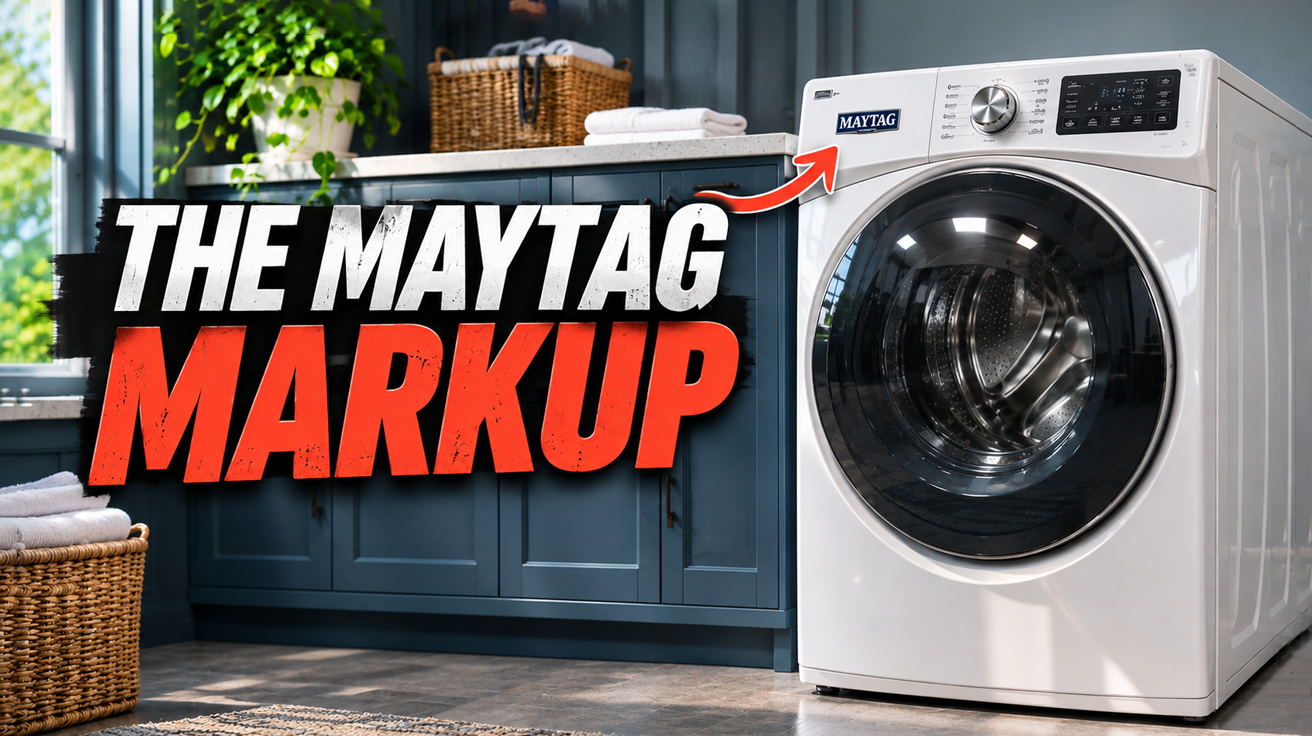
4. Maytag
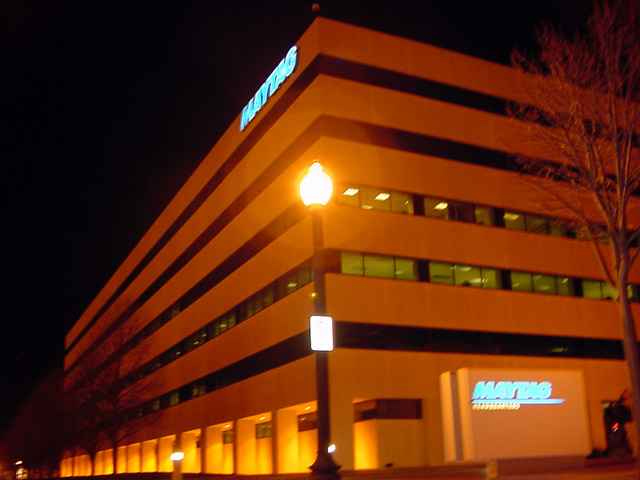
A century-old laundry legend lost its shine to mold scandals and corporate reshuffling.
Founded in 1893 in Newton, Iowa, Maytag earned its reputation with durable washers and dryers, famously inspiring the “Maytag Repairman” ad campaign. Long-time homeowners recall Maytag appliances delivering decades of dependable service. That legacy faltered in the late 1990s when the Neptune front-load washer line drew widespread consumer complaints about odor and mold problems, damaging the brand’s reputation for reliability.
Whirlpool acquired Maytag in 2006. Today’s Maytag appliances often share platforms and components with Whirlpool models, yet carry higher price tags justified primarily by the historic nameplate. Before paying a premium, compare current warranty claims, third-party testing scores, and feature sets against Whirlpool’s own offerings to confirm the badge delivers real value beyond nostalgia.
3. Dacor
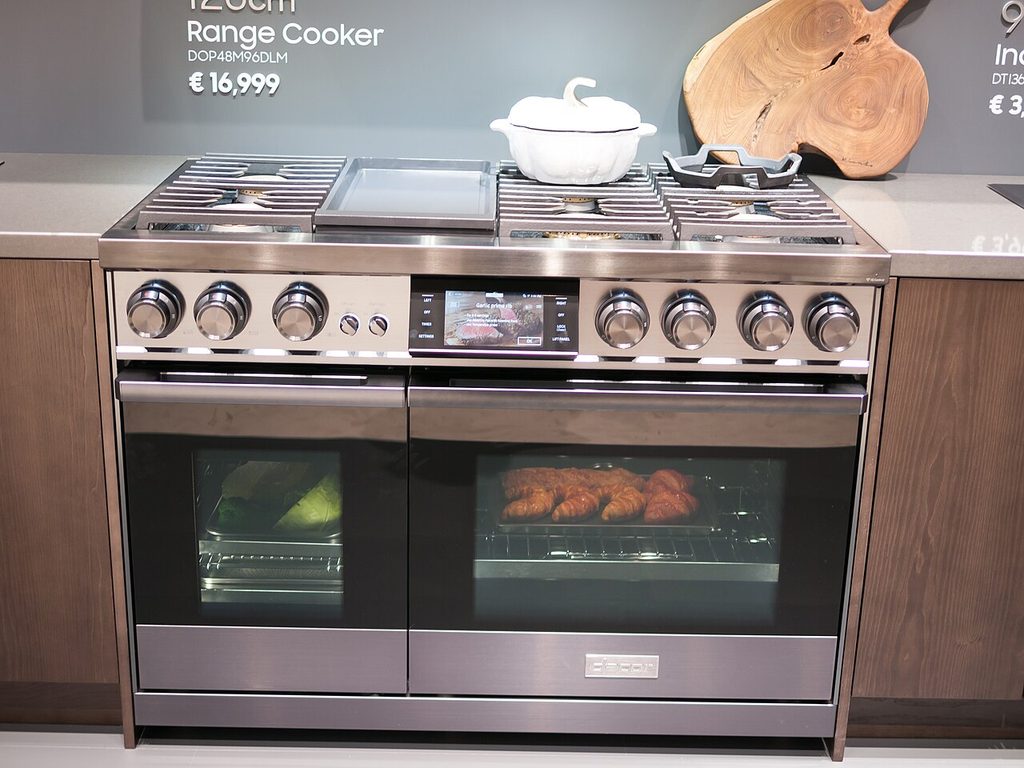
California luxury pioneer now leans heavily on Samsung’s tech instead of its own.
Dacor, established in 1965 by Stanley M. Joseph in California, built a reputation for premium cooking appliances with distinctive design and American manufacturing. The brand appealed to serious home cooks seeking high-performance ranges, wall ovens, and cooktops that stood apart from mass-market competitors.
Samsung Electronics America acquired Dacor in 2016. Since then, Dacor refrigeration and dishwashers increasingly share Samsung’s platforms, technology, and manufacturing. While the brand retains its identity and U.S.-based operations, current models often reflect Samsung engineering rather than the independent innovation Dacor once championed. Before paying luxury-tier prices, verify whether the appliance delivers unique Dacor design or simply repackages Samsung features under a different badge.
2. JennAir
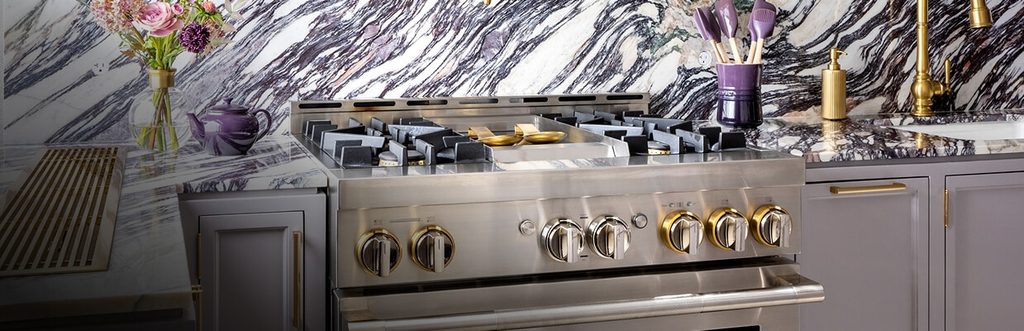
Downdraft ventilation pioneer spent over a decade dormant before attempting a comeback.
Lou Jenn invented downdraft ventilation around 1965, allowing cooktops and ranges to vent without overhead hoods. This innovation gave JennAir a distinct identity in the premium appliance market, appealing to homeowners who wanted clean kitchen sightlines and flexible design. Maytag owned JennAir before Whirlpool acquired Maytag in 2006.
Whirlpool relaunched JennAir in 2018 with more than 200 products across the RISE and NOIR design lines, repositioning the brand as a luxury offering. Regaining market leadership after years of minimal visibility demands consistent product excellence and compelling differentiation. Check current reviews, reliability ratings, and warranty performance to determine whether the relaunch delivers on the promise or relies too heavily on heritage alone.
1. Viking
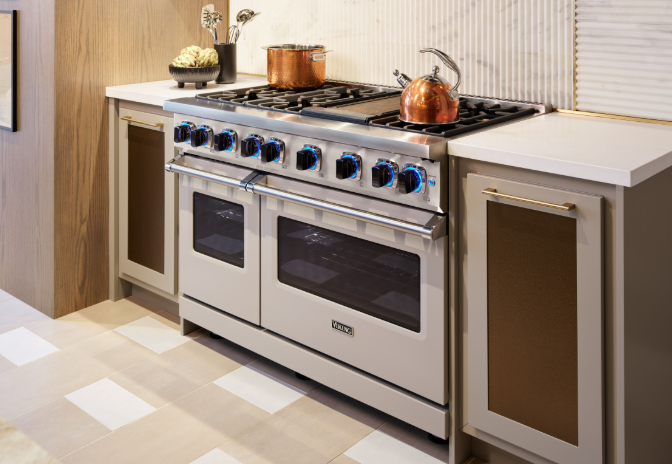
The commercial-style range pioneer plateaued after dominating the ’80s and ’90s.
Fred Carl Jr. developed a professional range designed for home use, and Viking began shipping its first commercial-style residential ranges in January 1987. The brand helped establish the modern professional residential range category, expanding into built-in cooking, ventilation, refrigeration, and outdoor appliances. Viking’s distinctive appearance and power appealed to homeowners who wanted restaurant-grade equipment in their kitchens.
The Middleby Corporation acquired Viking Range Corporation on December 31, 2012, for $380 million. Since then, competitors have introduced models with higher-output burners and more advanced features while Viking’s product evolution has been less aggressive. Before investing in Viking today, compare specifications, burner output, and current reliability data against brands like BlueStar and Wolf to ensure the nameplate still justifies its premium positioning.
Appliances represent long-term investments, so historical prestige shouldn’t outweigh current performance. Research warranty claims, read independent testing reviews, and compare specs across brands before committing. Sometimes the badge costs more than the engineering justifies, and anyone willing to dig into the details can save thousands while getting better reliability and innovation.