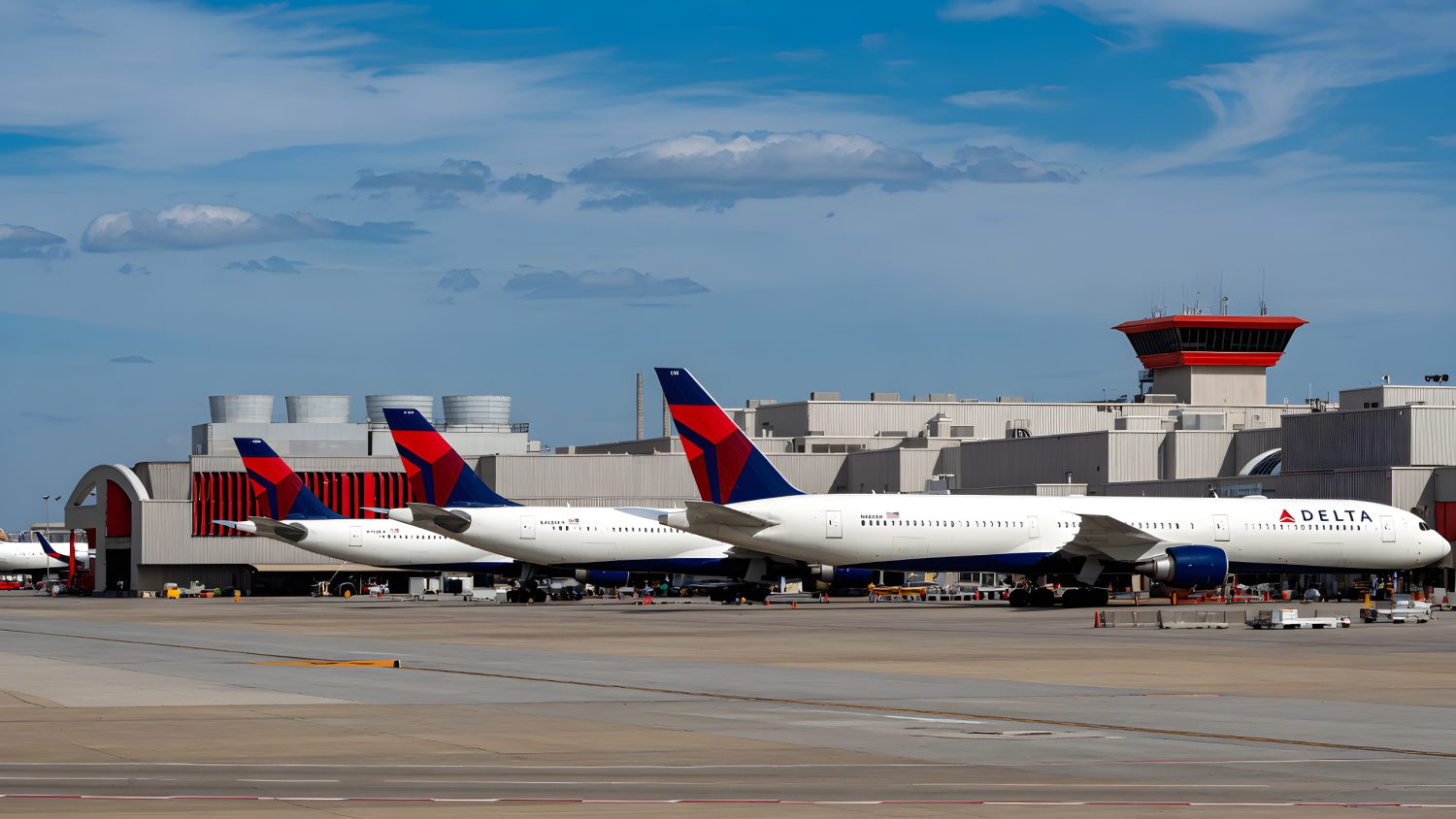
So, imagine two travelers booking the same Delta flight at the same moment: same route, same cabin, different prices. Not because one searched on Safari, but because an AI reportedly estimated each passenger’s willingness to pay. Delta CEO Ed Bastian has put a specific number on what that capability is worth: a 2–4 cost-point reduction over several years moves Delta’s margins from roughly 10% to 15% — what he describes, according to View From the Wing, as a 50% improvement in profitability and “billions of dollars” in value. This isn’t vision-deck poetry. It’s margin math.
At Delta’s November 2024 Investor Day, President Glen Hauenstein described merging pricing and inventory decisions into what Aviation Week reported he called “offer management” — powered by an AI “super analyst” working around the clock. Delta is already testing Fetcherr’s system on a portion of domestic inventory, with plans to expand. Crucially, the system doesn’t always push prices up. It can recommend lower fares when seats aren’t selling. The logic isn’t “charge everyone more.” It’s “charge each traveler closer to what they’ll accept” — which, depending on your seat, could cut either way.
Think of it like Spotify’s recommendation engine, except instead of surfacing songs you didn’t know you loved, it’s surfacing a price you didn’t know you’d pay.
What This Means for Your Ticket
Dynamic pricing is old news — AI-speed dynamic pricing is a different animal entirely.
Airlines have used dynamic pricing for decades, adjusting fares based on demand, competition, and fuel costs. What AI changes is the precision and speed. A human revenue analyst works business hours; a machine reprices continuously, monitoring every signal without pause. That’s a quieter, more surgical kind of optimization — and it’s already underway.
Here’s where things get genuinely complicated for travelers. Delta told U.S. lawmakers in 2025 it does not set fares using individual personal data and has no fare product targeting customers with individualized prices, Reuters reported. At the same time, Delta confirmed it is testing AI to streamline manual processes and sharpen demand analysis. Its earlier investor-facing language, meanwhile, described a future where fares could be offered to “you, the individual” — in Hauenstein’s words — which is precisely what drew congressional scrutiny in the first place. This dual messaging echoes broader concerns about secretly tracking users and the gap between what companies tell regulators and what their systems actually do.
The labor story runs parallel. United Airlines’ CFO attributed a 4% management headcount reduction to AI-driven process changes, with another 4% reduction planned — a preview of where airline workforces are headed. Functions most exposed include:
- Reservations
- Revenue management
- Back-office finance
- Crew planning
Pilots and mechanics remain relatively protected by licensing and safety regulations.
Congressional pressure is real and escalating. Lawmakers are probing whether individualized airline pricing constitutes unfair or deceptive conduct. Delta’s current practice may sit within legal boundaries. Its stated strategic direction is a separate conversation entirely — and if every major carrier adopts identical AI pricing tools, Delta’s competitive edge narrows while regulators sharpen their focus on the whole industry, much as Europe has moved toward handling government health, financial, and legal data with far stricter oversight of big-tech platforms.
Delta is effectively running two parallel narratives — one for Wall Street, one for Washington. The AI is the same system in both stories. What changes is who’s asking the questions. Travelers booking flights in the middle of all this are navigating a pricing engine that may already know more about their ceiling than they do.