Everyone spent a decade trying to bury magnetic tape. Cloud storage would replace it. Cheap disk would replace it. Then AI arrived with an appetite for data that makes a Netflix recommendation algorithm look modest, and suddenly the industry’s favorite obituary subject shipped a record 176.5 exabytes of capacity in 2024 alone — a 15.4% jump over 2023, according to the LTO Program. Nobody in the “AI data centers” camp saw that coming.
Why Tape Became AI’s Quiet Backbone
The shipment numbers tell a story the obituary writers missed — and the trend line is accelerating.
Shipments dipped to 160.3 exabytes in 2025 — a 9% decline — but as The Register noted, that still made 2025 the second-highest year in LTO history. Then Q1 2026 arrived. Capacity shipments grew 57% year-over-year, according to the LTO Program, driven by continued demand for LTO-9 media and the early ramp of LTO-10. A brief pause, then acceleration. That’s not a dying format. That’s a format catching a second wind.
Three forces explain the revival:
- AI training data is enormous and only getting larger — but not all of it needs to be instantly accessible. It just needs to exist, cheaply, for years.
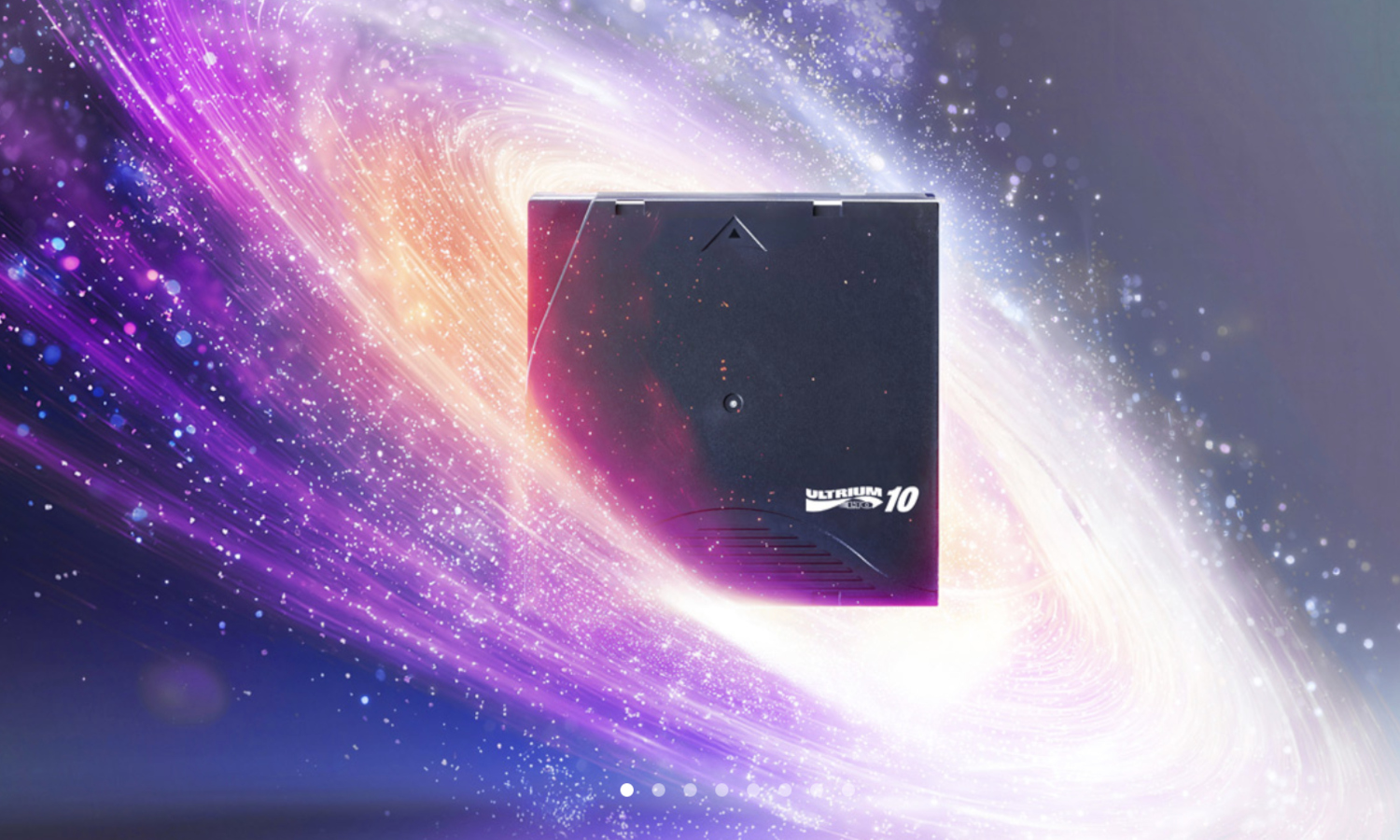
- Tape delivers the lowest cost-per-terabyte of any major storage medium. LTO-10 cartridges hold 40 TB native and up to 100 TB compressed, per Quantum and Fujifilm specifications. A roadmap stretching to LTO-14 projects capacities approaching 900+ TB compressed per cartridge.
- Air-gapped tape — physically offline, connected to nothing — is the one backup that, when properly isolated, ransomware cannot touch.
Quantum CEO Hugues Meyrath put it plainly, as reported by TechSpot: organizations face “unprecedented growth in digital data” alongside rising hardware and power costs, making tape a “strategic element of modern data infrastructures.” Storage analyst Tom Coughlin echoed that framing, calling tape a “stable anchor” serving both AI and traditional archival workloads.
The honest caveat: tape is slow for random access. Object storage and cold SSDs offer more flexibility — and below exabyte scale, that genuinely matters. At hyperscale, where cost, a 30-year archival lifespan, and offline resilience all converge, nothing else comes close.
The most cutting-edge AI pipelines being built right now are betting their data on spools of magnetic ribbon. Turns out unglamorous and indispensable aren’t mutually exclusive.