Every morning commute, school drop-off, and coffee stop can now be logged by a roadside camera. A small device on a pole records your license plate, your vehicle’s make, model, and color — and stores it all in a searchable database. A police officer reportedly raised exactly this concern publicly, claiming Flock Safety’s camera network is far more invasive than residents were told, and allegedly faced professional consequences for speaking up. That specific allegation remains unverified. The documented evidence supporting the broader claim, however, is extensive. Over 5,000 law enforcement agencies now use Flock’s systems, according to NPR.
More Than a License Plate Reader
Flock markets a tidy product — independent investigators found something considerably messier.
Flock Safety calls its core system “vehicle fingerprinting” — plate, make, model, color. Contained and clinical. Except the ACLU documented that Flock’s system also generates heat maps charting a vehicle’s movements across an entire city over a month. Flock initially denied this feature existed when questioned by local officials, then admitted it was active.
Here’s what verified reporting confirms the system captures:
- License plate, make, model, and color — stored centrally for later search
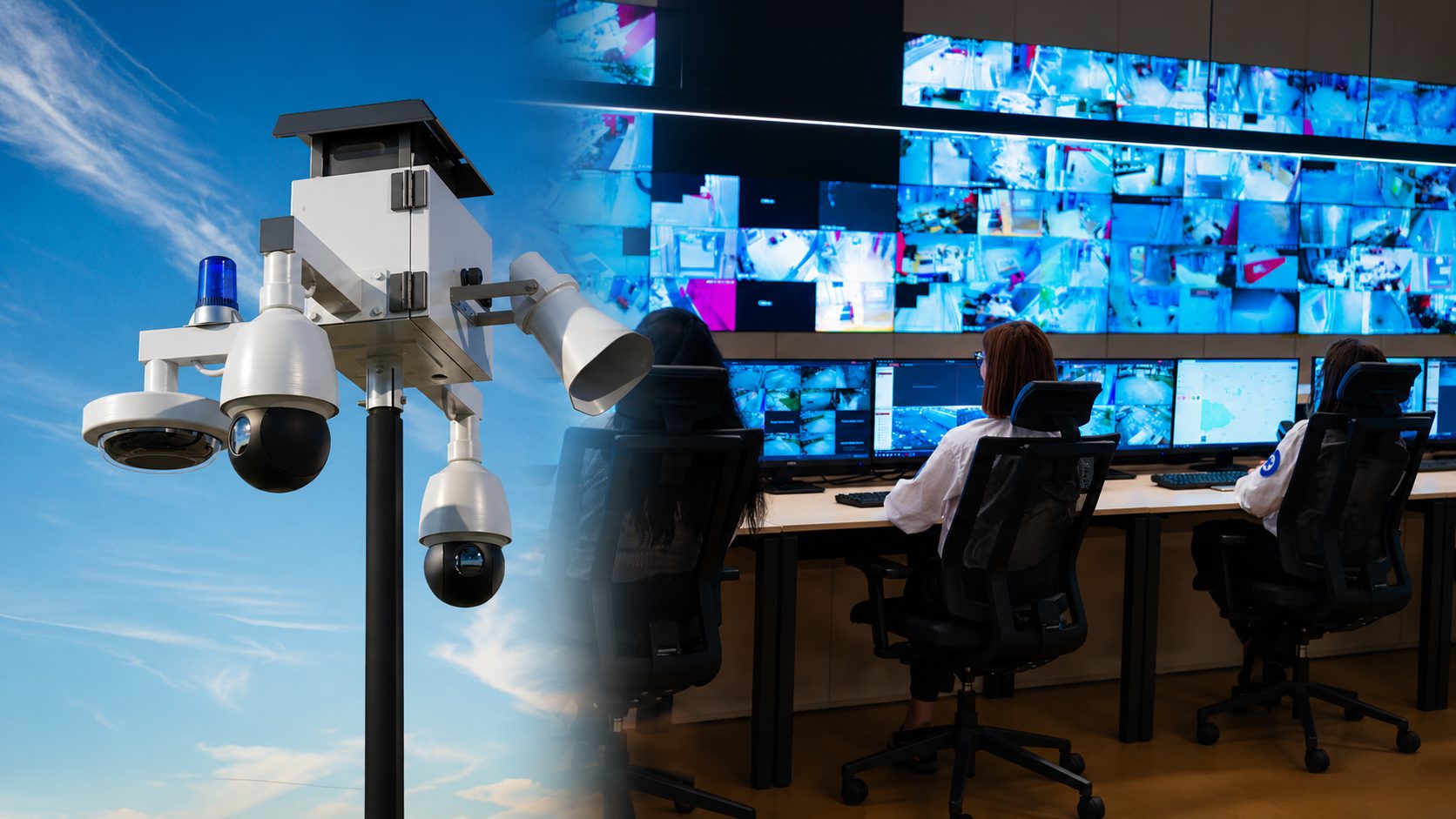
- Condor AI cameras with pan-tilt-zoom capability that detect and track people, not just vehicles — confirmed by Flock’s own marketing of “People Detection Alerts” and “Guardian Mode”
- Vehicle movement heat maps over time
- A cross-jurisdiction national database searchable by agencies in other cities and states
- Federal “back door” access: University of Washington researchers found U.S. Border Patrol accessed data from at least ten Washington state police departments without those departments explicitly authorizing it
That last point carries weight. The University of Washington Center for Human Rights concluded there is “functionally no difference between Flock’s nationwide network and the network of cameras that CBP has access to.” The ACLU separately found that Flock has “repeatedly lied to city councils, police departments, and the public across the country” about its capabilities. A CBS segment captured a police official denying any federal sharing — shortly before reporting confirmed immigration agencies had network access.
Cameras That Can Follow You Down the Street
Roughly 60 Flock Condor cameras were found streaming live footage to the open internet with no password required.
Exposed without a single login screen, Flock’s AI-powered Condor cameras were broadcasting live footage and full admin controls to anyone who looked, according to an investigation highlighted by the Independent Institute. The organization warned this “unnecessarily exposed Americans’ secretly tracking users‘ sensitive personal data to theft by hackers and foreign spies.” Condor’s own product specifications confirm automated human tracking — the whistleblower’s concern about cameras that follow people is not hypothetical.
While Flock insists data-sharing decisions belong to local agencies, cities like Santa Cruz and Flagstaff discovered their camera data had already reached federal entities before anyone tightened policies or canceled contracts, per NPR. The officer’s reported experience — professional consequences for speaking up — fits a well-documented pattern of institutional resistance to surveillance app criticism, even if the specific case awaits independent confirmation.
If your city is among those 5,000-plus jurisdictions, your movements have very likely already been logged. The question worth asking your local officials: do they actually understand what they purchased? For those seeking alternatives, home security systems offer privacy-respecting options that keep data under your own control.