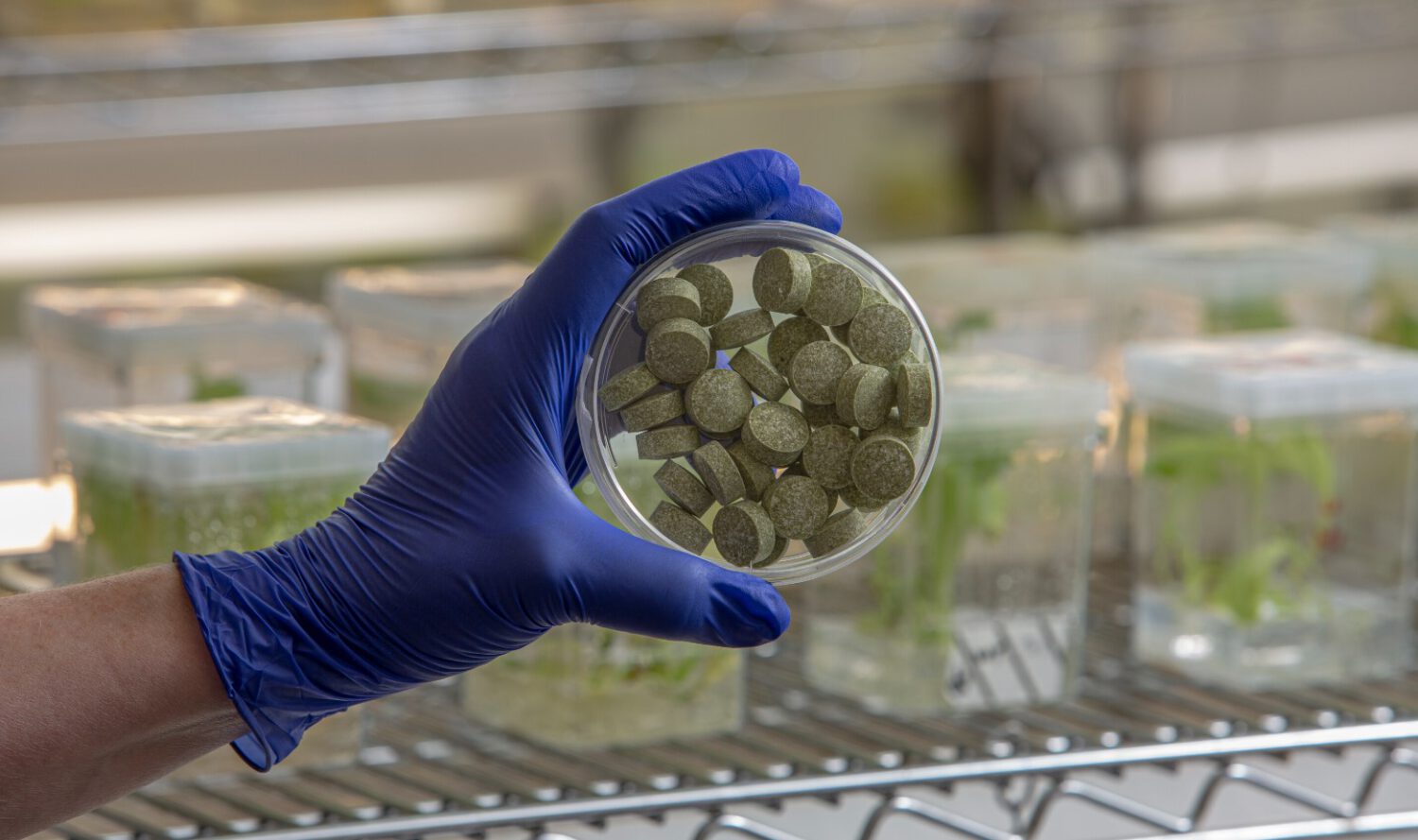
Researchers at Penn Dental Medicine tested lablab-bean gum extracts against cancer-associated microbes in patient saliva. The numbers are striking. The next major step toward any clinical use is a controlled human trial.
The Lab Result, Not the Headline You Might Expect
Strong numbers from a laboratory sample still need a human trial to mean anything for patients.
A bioengineered chewing gum extract made from lablab beans aggregated approximately 93% of HPV found in saliva samples collected from patients with head and neck squamous cell carcinoma, according to a study published in Scientific Reports on Feb. 9, 2026. That lab result describes what happened to virus particles in a laboratory sample, not inside a person’s body, and it does not indicate that an infection was cleared or that cancer risk dropped.
The study was led by Henry Daniell of the University of Pennsylvania School of Dental Medicine, with co-authors from the University of Kansas Medical Center, UCLA, and the Veterans Administration Greater Los Angeles Healthcare System.
Two Gums, Two Targets
One formula goes after HPV; the other takes aim at bacteria linked to oral cancer.
The researchers developed two versions of the gum. The first contains FRIL, a naturally occurring protein found in lablab beans with demonstrated antiviral properties. The second incorporates protegrin-1, an antimicrobial peptide designed to target harmful oral bacteria.
The proposed advantage of the gum format is straightforward: it delivers these proteins locally, directly into the mouth where the targeted microbes live.
What the Numbers Show
Viral aggregation and bacterial reduction look notable in samples; the laboratory context is essential.
The FRIL-based extract aggregated roughly 93% of HPV in patient saliva samples and reduced HPV levels by approximately 80% in oral-rinse samples. The study covered multiple HPV types, including types 1, 6, 11, 16, 18, and 31.
The protegrin-1 version produced steeper results against bacteria. A single dose reduced both Porphyromonas gingivalis and Fusobacterium nucleatum by more than 99% in saliva and oral-rinse samples, bringing levels close to undetectable. Researchers reported that the beneficial bacterial populations examined in the samples were not significantly affected.
Why These Microbes Are Worth Targeting
HPV and two oral bacteria have established ties to cancers of the mouth and throat.
Persistent infection with certain high-risk HPV types is associated with some oropharyngeal cancers, which affect tissues in the throat and related structures. P. gingivalis and F. nucleatum are oral bacteria the study’s researchers link to poorer outcomes in patients with recurrent or metastatic oral cancer, though that association does not establish that the bacteria cause those outcomes.
Selectively suppressing disease-associated microbes while leaving beneficial bacteria intact would be a meaningful advantage over broad-disruption treatments. That selectivity still requires confirmation in human trials, and the current findings apply only to the bacterial populations examined in this study.
The Limits of Lab Evidence
No one chewed this gum in a clinical trial, and microbial reduction in a sample is not the same as cancer prevention.
Participants did not chew the gum as part of this research. Investigators applied extracts to patient-derived saliva and oral-rinse samples in a laboratory setting, an approach known as ex vivo testing.
Reducing or aggregating HPV in a sample does not establish that the gum clears infection, prevents transmission, shrinks tumors, or improves survival. Human studies are still needed to evaluate safety, effective dosing, duration of effect, and tolerability. Whether these microbial reductions translate into measurable clinical benefit remains unknown.
The Road to a Clinical Trial
The team sees potential as a cancer-care adjunct, but controlled human testing is the required next step.
The research team describes the approach as a potential adjunct to existing cancer treatments or a preventive strategy against certain oral infections. FDA-approved HPV vaccines already exist for prevention, so the gum’s potential role, if confirmed in trials, would be therapeutic or supplementary rather than a replacement for vaccination or standard care.
The funding came from the NIH, a UCLA Academic Senate grant, and an NCI Cancer Center Support Grant. A properly controlled human clinical trial testing the actual gum formulation in people is the next major step toward evaluating whether these laboratory findings translate into established clinical use.