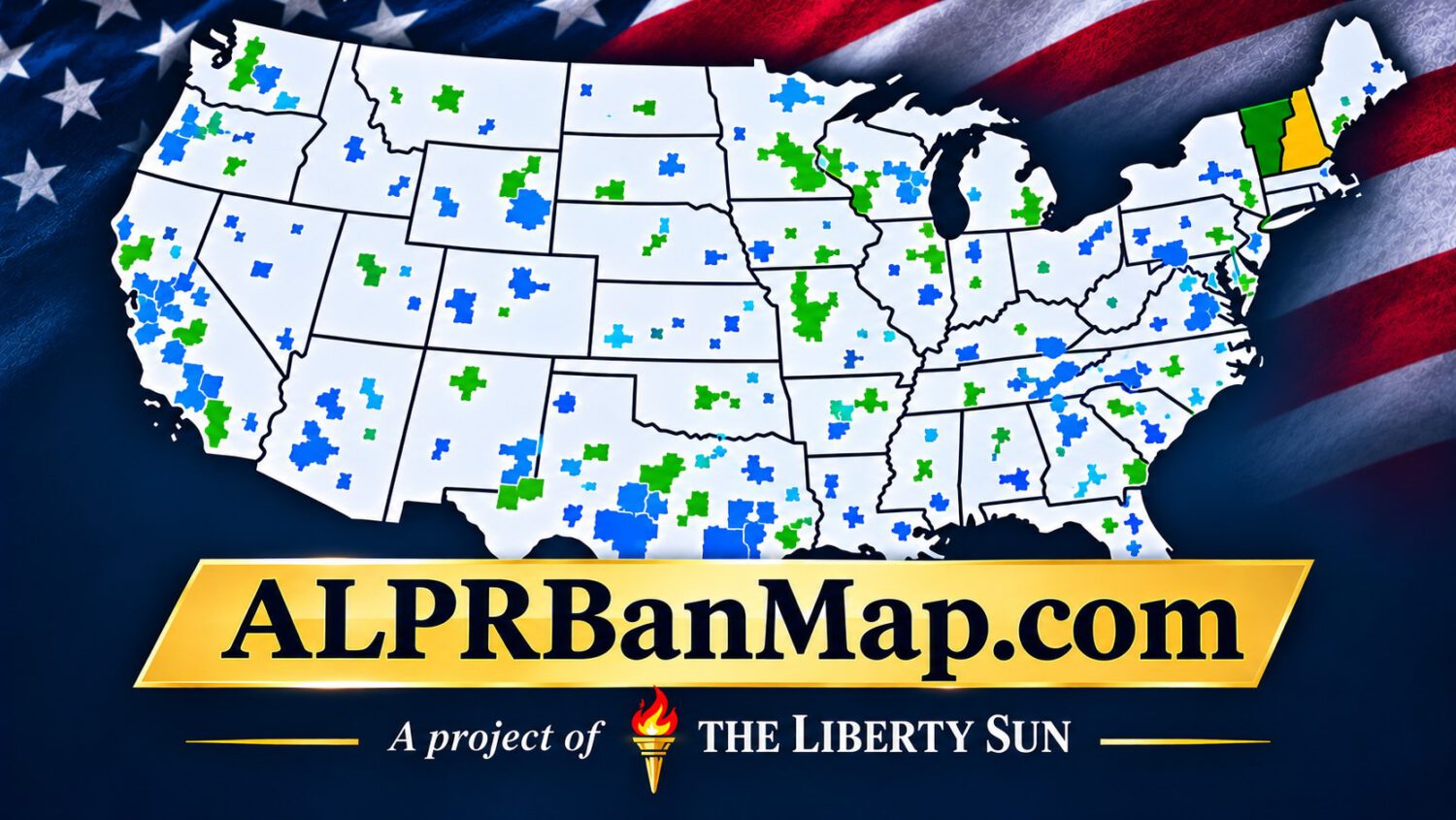
These systems are deployed by law-enforcement agencies for vehicle tracking and investigation, but they also generate extensive location records on people who have done nothing wrong. The ALPR Ban Map, maintained by the Liberty Sun project, tracks U.S. communities that have resisted those deployments in some form.
Resistance Comes in Several Forms
A rejected proposal and a formal ban are not the same thing, and treating them as equivalent distorts the picture.
Five distinct outcomes appear on the map. A community may reject a proposed contract before it is signed, cancel an existing agreement, decline to renew at the end of a contract term, deactivate cameras already in place, or enact an outright prohibition. Each carries different legal weight and different implications for whether cameras could return.
Because the map is advocacy-oriented, each entry requires verification against official council records, ordinances, or procurement documents before it can be reported as fact. The Electronic Frontier Foundation maintains a complementary resource, the Atlas of Surveillance, a separate database with links to public source documents and ALPR records nationwide.
What Happened in Specific Communities
Six localities took action, but the nature of each decision varied considerably.
According to available reporting, the following outcomes have been documented or categorized:
- Shoreline, Washington: a planning meeting with Flock Safety was canceled amid resident and council opposition, stopping the proposal before any contract was signed (proposal rejected)
- Bloomington, Indiana: terminated a reported $50,000 Flock agreement following community pushback (contract canceled)
- Tompkins County, New York: ended its contract after organized activism over surveillance concerns (contract canceled)
- El Cerrito, California: declined to renew its Flock contract; cameras were subsequently switched off (nonrenewal and deactivation)
- Appleton, Wisconsin: announced it would stop using Flock cameras after community feedback raised concerns about the program (deactivation)
- Ypsilanti, Michigan: categorized by DeFlock as having formally banned ALPRs (formal ban)
Each entry still requires confirmation through official municipal records before it can be treated as established fact.
The Argument Behind the Opposition
Privacy advocates say the concern extends beyond any single investigation to the surveillance infrastructure built in the process.
The EFF argues that ALPR networks can generate large-scale location histories. Data-sharing agreements, the organization notes, often extend access well beyond the local agency that purchased the cameras. Routine collection, the argument continues, creates a surveillance infrastructure whose uses can expand over time, regardless of any individual investigation’s legitimacy.
Supporters of the technology frame ALPRs as targeted investigative tools. No verified statement from a law-enforcement agency or from Flock Safety addressing the specific communities listed above was available in the research for this article; those perspectives require separate reporting.
What the Maps Can and Cannot Tell You
Ending one vendor contract does not mean a community has no other plate-reader system operating.
Cross-referencing the ALPR Ban Map against the EFF Atlas and local procurement records is necessary before drawing conclusions about any specific locality. The EFF acknowledges that its own Atlas is not exhaustive, so absence from any map is not evidence that a community has no active deployment.
To check your own community, start with both the ALPR Ban Map and the EFF Atlas, then verify any listed action against the linked official document. The practical question is not just whether cameras exist, but who controls the data, how long it is retained, and who else can access it.