Coherence Neuro has raised $45 million for an experimental implant designed to detect and electrically stimulate brain tumors, with the OpenAI Startup Fund and Peter Thiel’s Founders Fund leading the round. The target disease is glioblastoma, one of the most aggressive brain cancers known to medicine.
What SOMA Actually Does
An implant that listens to tumors and talks back, at least in theory.
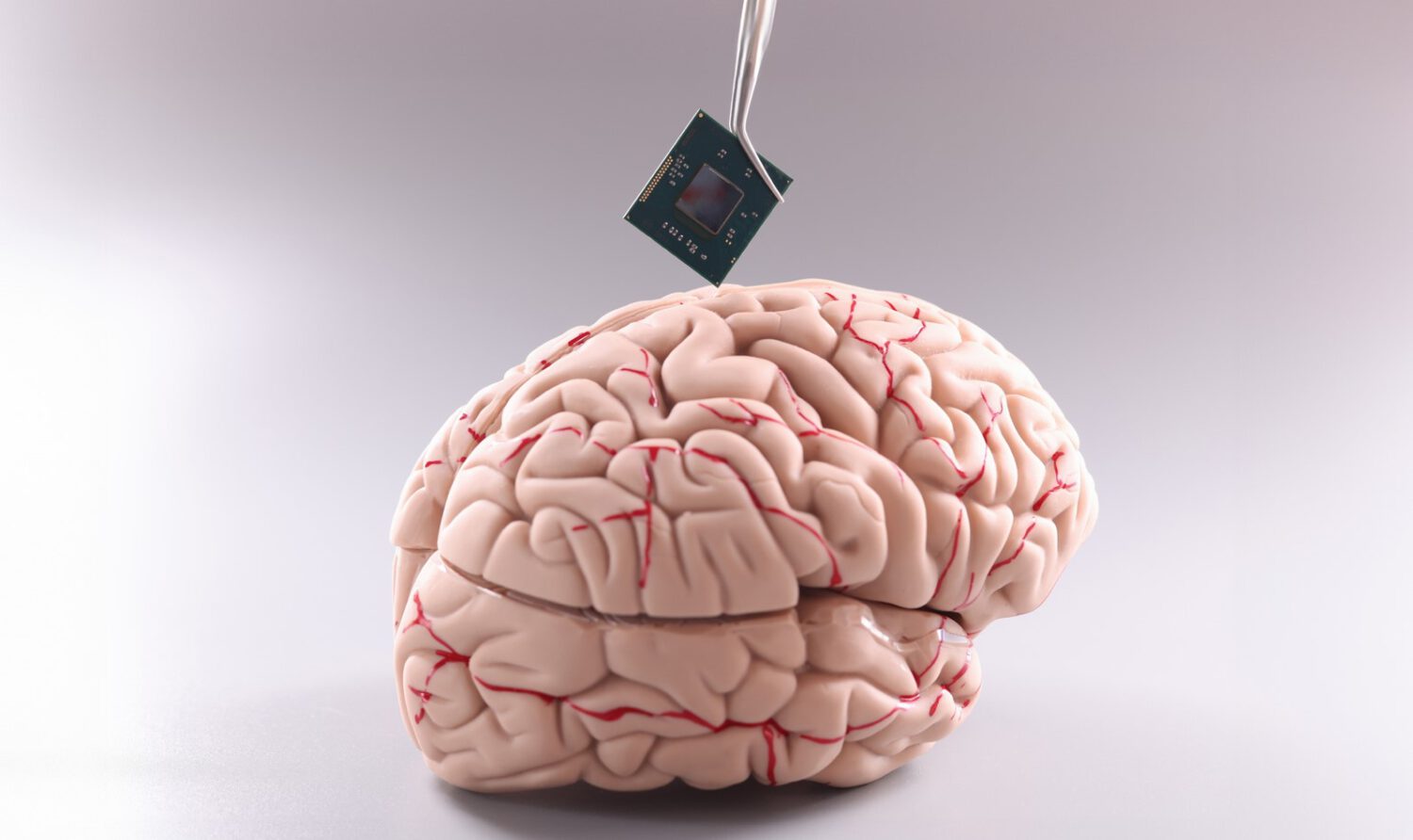
The SOMA device is designed to record electrical signals associated with a tumor and deliver targeted electrical stimulation intended to interfere with tumor growth. It pairs with a removable over-ear wearable and an app for real-time data, symptom tracking, and therapy history.
Coherence says its AI models, trained on animal study recordings, can predict whether a tumor is growing, shrinking, or recurring. That claim has not been validated in large human trials.
Coherence describes the raise as a Series A; WIRED characterizes it as a seed round. Other participants include Lux Capital, 8VC, and Neuralink head neurosurgeon Matthew MacDougall, among others.
Where the Science Actually Stands
Three patients, roughly thirty minutes of testing during surgery, and a long road to chronic implantation.
According to WIRED’s reporting, Coherence briefly placed its recording implant in three patients during tumor-removal surgery at Royal Melbourne Hospital, with the device remaining in place for approximately 30 minutes before removal. WIRED also reports that recording and stimulation testing was conducted or planned in an additional seven patients, though completion of all seven has not been confirmed.
Electric-field therapy is already FDA approved for glioblastoma, but that approval covers existing technologies and does not establish SOMA’s safety or effectiveness. Coherence plans to pursue its first chronic human trial and seek FDA breakthrough-device designation; neither milestone has been reached.
Co-founder Ben Woodington described “growing synergy” between major AI laboratories and companies decoding brain activity, according to WIRED. Investor enthusiasm, though, is not a clinical result.
The Broader Field
OpenAI is placing multiple bets on brain-computer interfaces.
OpenAI has also backed Merge Labs, which is developing non-implantable brain-computer interface technology. Founders Fund has investments in both Coherence and Neuralink, while Synchron represents a less-invasive approach in the same broad category.
Coherence plans to pursue a chronic implant trial and FDA breakthrough-device designation with the new funding. Until those efforts produce data, SOMA remains an experimental platform with serious backers and an unproven path.