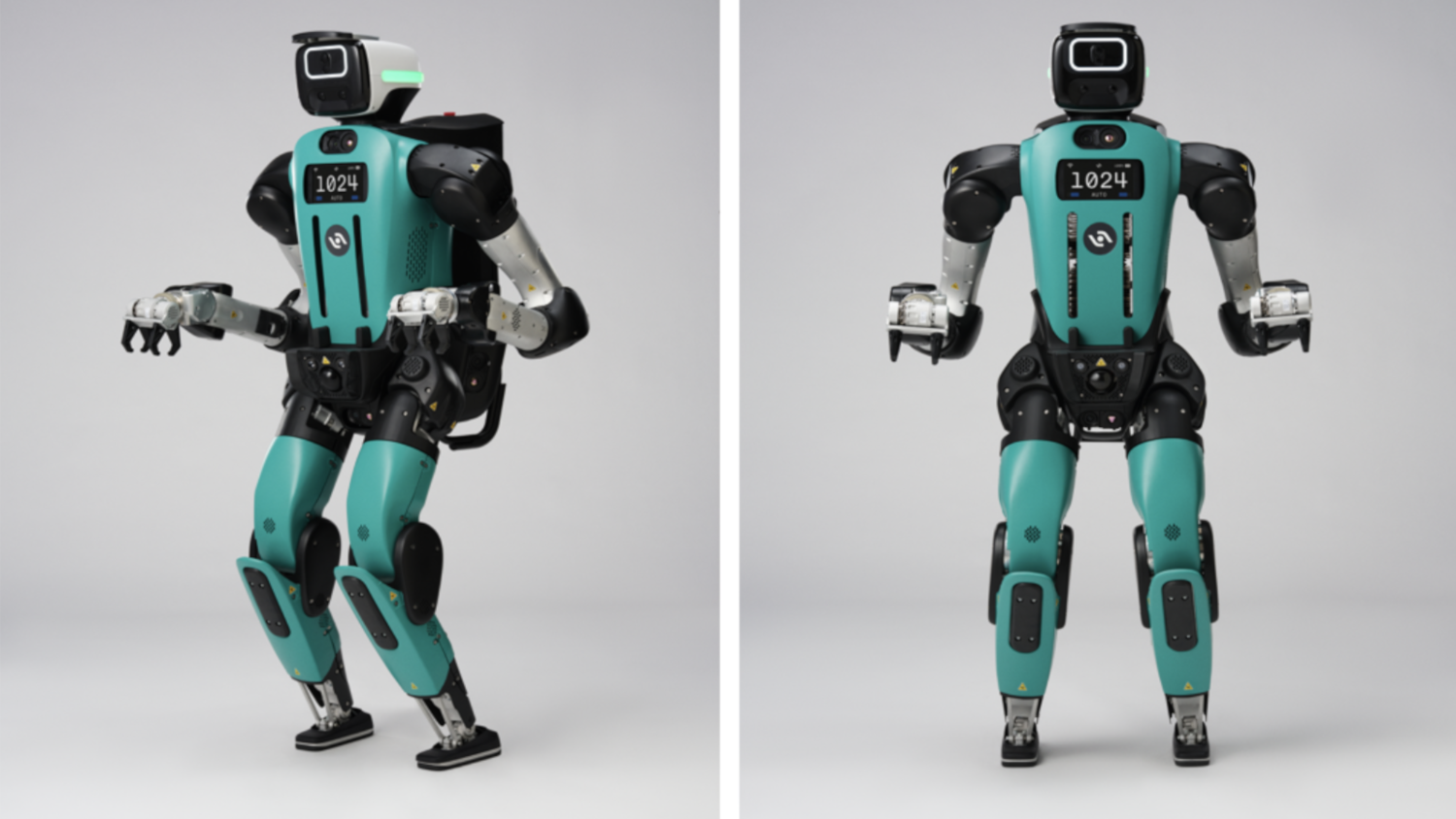
Agility Robotics began trading on Nasdaq under the ticker AGLT, becoming the first U.S.-listed pure-play humanoid robotics company with active commercial deployments. The milestone is real, and so is the gap between its symbolic weight and its financial results.
The company reported approximately $1.78 million in 2025 revenue, up from $310,000 in 2024, alongside a $138.1 million net loss and roughly $99.8 million in cash used to run the business, according to its SEC filings.
Who Is Actually Buying These Robots Right Now
Related-party revenue and investor purchases make up the bulk of what Agility has actually collected.
About 64% of 2025 revenue came from related parties, according to the company’s SEC filing. More than half reportedly came from five robots purchased by one of the company’s own investors, a material qualification for anyone reading the revenue line as evidence of broad commercial demand.
Agility reached the public markets not through a conventional IPO but by merging with Churchill Capital Corp XI, a special-purpose acquisition company. The transaction was expected to provide approximately $465 million in gross capital before transaction expenses.
The Pipeline Is Not the Revenue
$300 million in committed orders sounds significant. It depends entirely on what happens next.
Agility says committed multi-year orders for its next-generation Digit 5 robot exceed $300 million, but those commitments are subject to contractual milestones, product features, and specifications. Committed order value and recognized revenue are not the same figure, and in early-stage industrial technology the two can remain far apart for years.
What Digit Actually Does in the Field
Agility says the robot has accumulated more than 65,000 operating hours across nine facilities, a meaningful operational claim even before the revenue catches up.
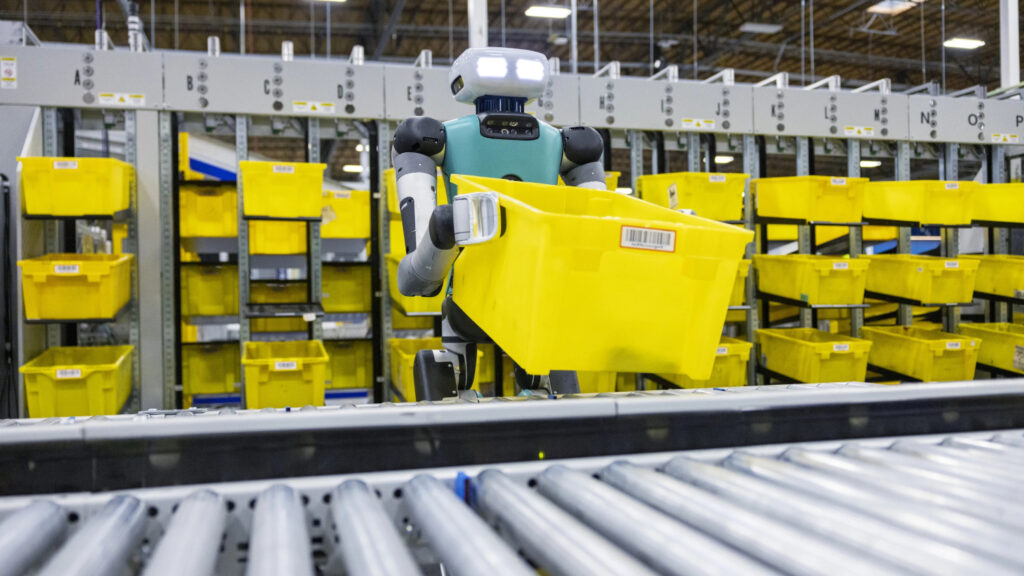
Amazon began testing Digit in 2023, initially for moving empty totes in fulfillment centers. GXO has deployed the robot at a warehouse serving Spanx, and Toyota Motor Manufacturing Canada, Schaeffler, and Mercado Libre are among the companies publicly associated with Agility’s deployments or evaluations.
AGCO has agreed to pilot Digit at its farm-equipment factory in Hesston, Kansas, beginning in 2027. Planned tasks include sorting and stacking parts, extending Digit’s proposed use from logistics into industrial manufacturing.
What the Bull Case Requires
Pilots converting to paid, repeatable deployments is the central commercial thesis.
Digit 5 is designed to operate alongside people in workplaces built around human workers. That design is the core commercial argument for humanoid robots over purpose-built fixed automation.
Converting that positioning into scaled industrial revenue is not automatic. It requires workplace safety performance, manufacturing capacity at RoboFab, service infrastructure, and customers moving from evaluations and pilots into contractual volume.
A Public Wager, Priced Daily
The listing opens the question to public investors. It does not resolve it.
Agility’s arrival on Nasdaq gives investors a direct vehicle for assessing whether humanoid robots can move from demonstrations and pilots to scaled industrial revenue. That question remains open.
The stock ticker is new. The answer is not yet.