Broad indices rose on reduced political uncertainty while Musk-linked and AI infrastructure shares sold off sharply.
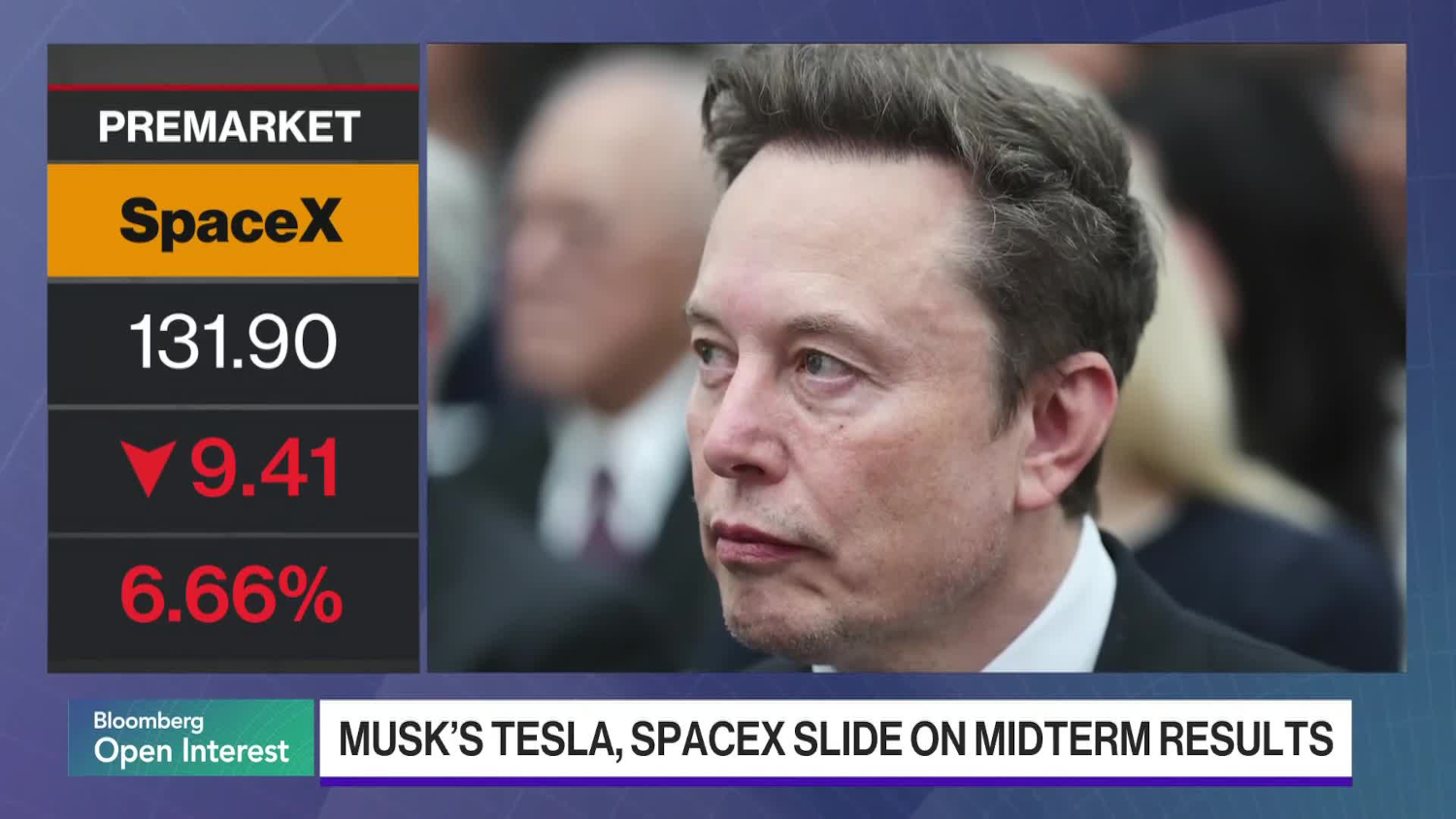
Democrats winning both chambers of Congress produced a split-screen market session on Wednesday. Broad equity futures climbed, while Tesla fell roughly 5%, SpaceX slid about 6%, and Forbes estimated Elon Musk lost approximately $35.2 billion in net worth during the first half-hour of trading.
Broad Markets Recover After an Overnight Stumble
Futures reversed early losses once the election outcome clarified and President Trump signaled he would accept the results.
S&P 500 equity futures gained 1.1%, Dow futures advanced 2.3%, and Nasdaq futures rose 0.3% by 9 a.m. EDT, according to Yahoo Finance. The session followed a sharp overnight reversal: as prediction-market odds of a Democratic Senate victory climbed above 99% on Tuesday night, S&P futures fell 1.2%, Nasdaq futures dropped 2%, and Dow futures slipped 0.8%.
Once results clarified, investors read the reduced political uncertainty as a reason to buy back in. Broad-market futures recovered even as money rotated away from companies most exposed to AI regulation, data-center constraints, and Musk’s political alignment.
Renewable Energy and Healthcare Lead the Winners
Investors anticipated favorable policy conditions under Democratic congressional leadership, lifting clean-energy and healthcare shares.
Clean-energy stocks moved sharply higher in premarket trading, with First Solar gaining about 8%, Plug Power climbing 12%, Sunrun rising 6.5%, and Nextracker adding 5%. Healthcare followed: Molina Healthcare gained nearly 7%, Centene rose 4%, and HCA Healthcare climbed 6.5% before the opening bell.
AI and Data-Center Stocks Face Regulatory Repricing
The selloff reflected investor concern over heightened scrutiny of AI infrastructure, not the certainty of any enacted legislation.
Oracle fell 3.5%, CoreWeave dropped 6%, and Nvidia slipped 1% in premarket trading, according to Yahoo Finance. Analysts warned that Democratic control of Congress could create significant hurdles for AI and technology legislation over the next two years. The concern is not a formal national ban; it reflects expectations of increased scrutiny over electricity demand, water consumption, utility costs, and local land-use impacts tied to large-scale AI infrastructure.
Texas as a Focal Point
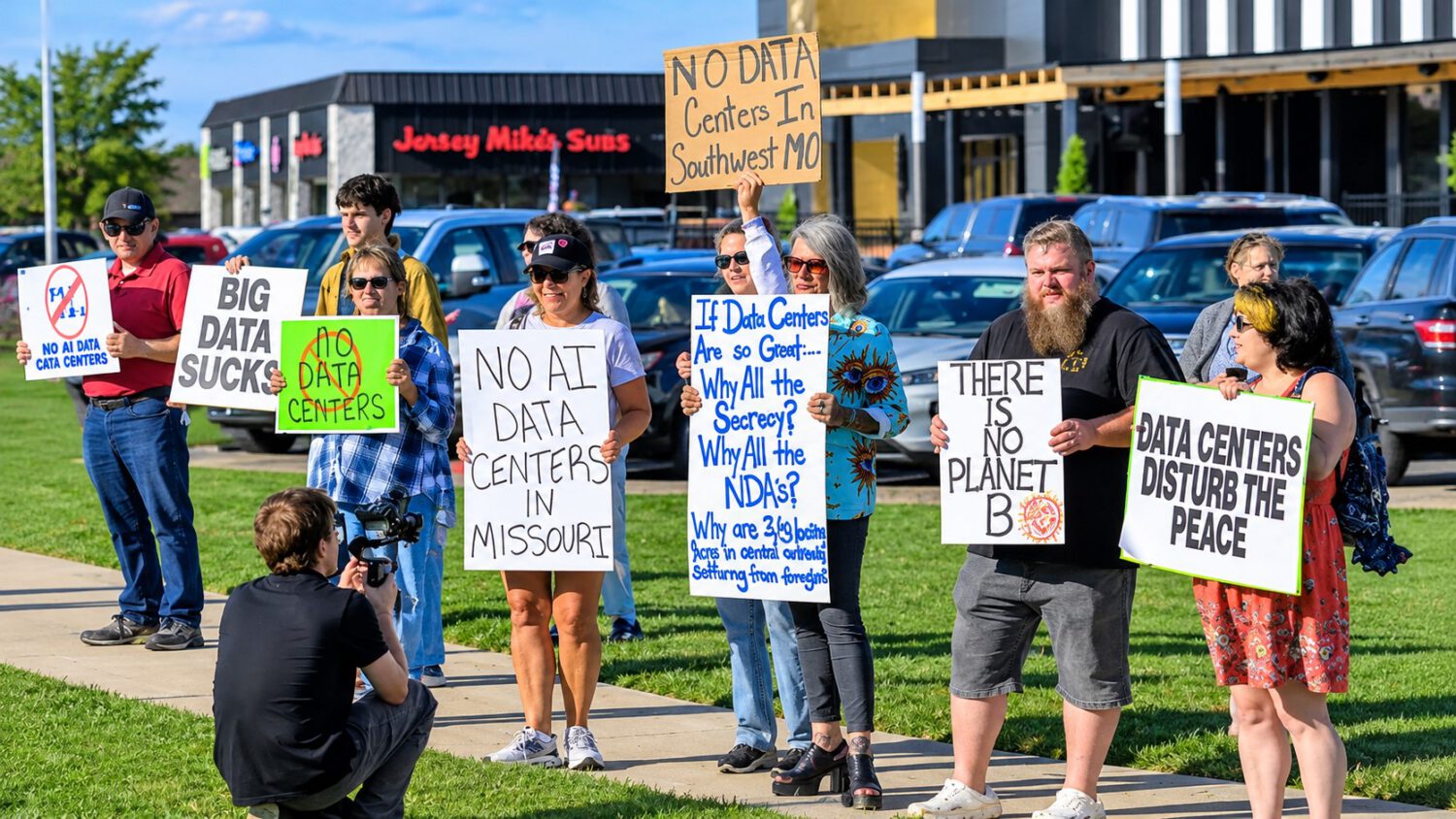
Governor-elect Gina Hinojosa’s campaign pledge to pause data-center approvals made the regulatory risk concrete for companies with planned Texas facilities.
Texas governor-elect Gina Hinojosa campaigned on an immediate moratorium on new data-center approvals, pending state legislation to give communities greater control over such projects, according to Reuters reporting. ERCOT, the state’s grid operator, was already tracking more than 400 gigawatts of proposed data-center projects seeking grid connections before Hinojosa’s victory. Analysts estimated that approximately 13 gigawatts of proposed Texas capacity could face exposure to a permitting pause or stricter environmental and infrastructure review, though those estimates have not been independently verified.
Musk’s Political Bet Weighs on Tesla and SpaceX
Investors priced in a political-risk premium tied to Musk’s midterm spending after his companies declined sharply in premarket trading.
Musk spent nearly $450 million supporting Republican candidates and causes during the midterm campaign, according to Yahoo Finance. Investors appeared to price a political-risk premium into his companies as a result. SpaceX has also expanded its AI-related activities, and reports indicate the two companies have explored a reported potential combination that a driverless Tesla Democratic Congress could subject to additional regulatory review; that scrutiny would not necessarily carry the power to block a deal outright.
Outlook
The market repricing reflects shifted expectations rather than settled law, leaving several key variables to resolve in the weeks ahead.
Congressional control does not automatically translate into a national data-center moratorium or sweeping AI legislation. The market move reflects changed expectations, not enacted policy. Key variables include congressional AI safety and permitting bills, the fate of Hinojosa’s proposed moratorium in the Texas legislature, ERCOT grid-access decisions for projects already in the queue, and whether Tesla and SpaceX formalize any combination plans.