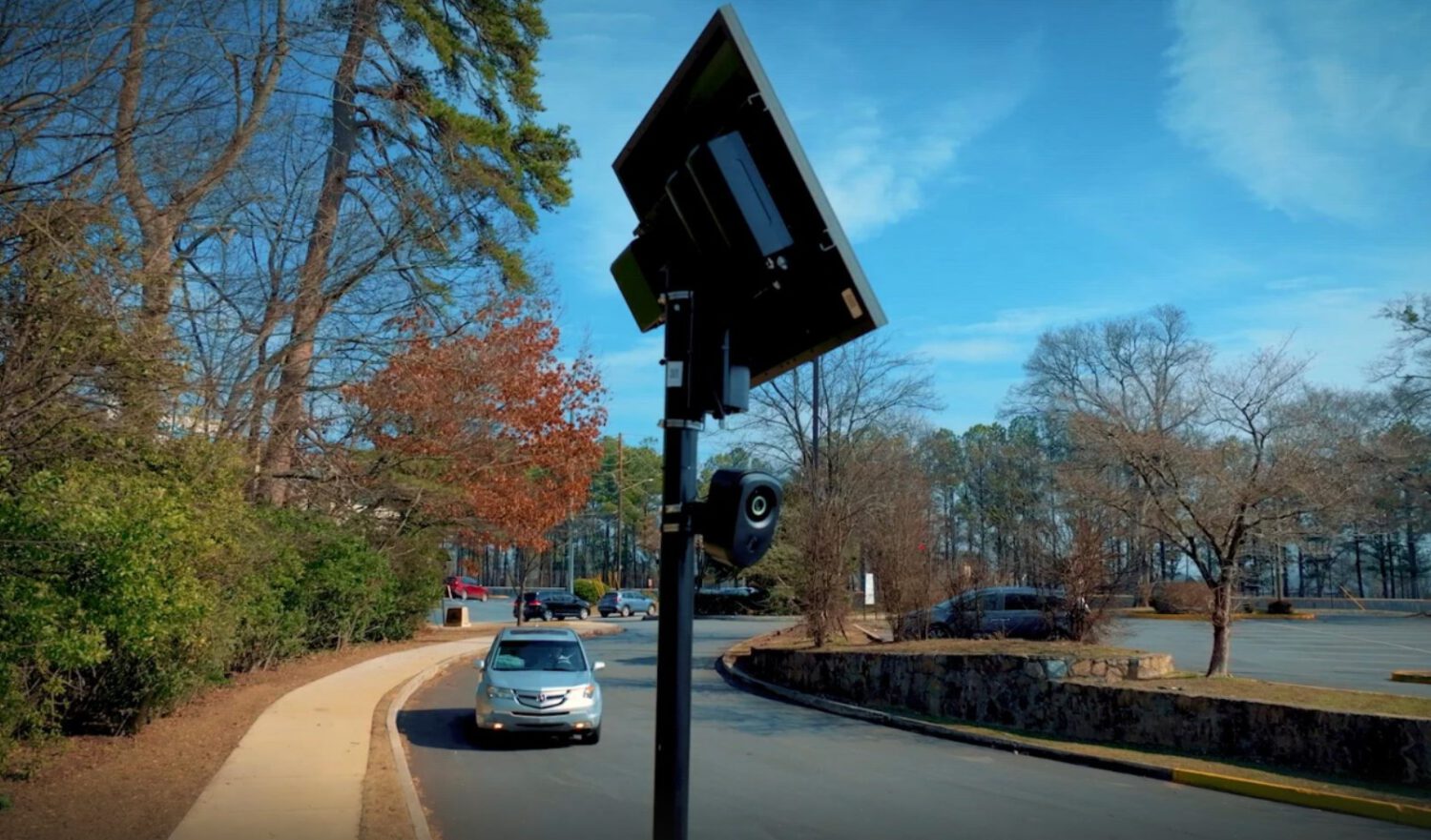
In late September, Dayton, Minnesota residents noticed surveillance cameras back up in a city that had voted to suspend its automated license-plate recognition program. City officials say the vendor, Flock Safety, reinstalled the cameras without authorization. The city’s September 29 community update confirmed the situation and said police had been instructed to remove both cameras.
How the Dispute Unfolded
A sequence of events spanning August and September shows how the dispute escalated from a vandalism incident to an unauthorized reinstallation.
The cameras first went offline on August 20, after being damaged or vandalized. Dayton’s city council then voted on August 25 to formally suspend its ALPR program, citing resident concerns about privacy and potential misuse of collected vehicle data.
The situation reactivated on September 17, when Dayton police learned of a Flock maintenance work order. The city responded the following day, telling Flock the program was on hold and that no work should proceed.
Despite that instruction, two cameras were returned to service sometime between September 18 and September 29. The exact reinstallation date is not confirmed in available reporting.
Residents spotted the cameras and alerted the city. Police were then directed to remove the equipment.
Who Is Actually Responsible
Whether the reinstallation was deliberate or the result of an internal communication failure at Flock remains unresolved.
Available reporting does not establish whether Flock knowingly ignored Dayton’s instruction. It is equally possible the cancellation never reached the personnel who handled the work order.
City Administrator Zach Doud said Flock acknowledged the contract cancellation, according to city accounts. Flock also told city officials that removing the equipment could take up to 60 days. No direct public statement from Flock addressing Dayton’s specific account was available at the time of publication.
Available reporting also does not confirm whether the reinstalled cameras were powered or transmitting data. It is unclear whether any law enforcement agency could access them during the disputed window.
Oshkosh Shows a Wider Pattern
Dayton is not the only city to have moved against a Flock contract under contested circumstances.
In Oshkosh, Wisconsin, the city council rescinded its Flock agreement after concluding that company representatives had provided inaccurate information about the system’s capabilities, specifically whether it could generate vehicle heat maps. Flock later acknowledged that its platform does include a heat-map view showing locations where a vehicle was captured during the data retention period, while arguing this differs from continuous pattern-of-life tracking.
The Oshkosh council rescinded the contract less than 24 hours after approving it. The episode illustrates why elected officials need precise, plain-language explanations of what an ALPR platform can display and infer before approving a contract. Cities should also be aware that covert surveillance app deployments and unauthorized data collection have emerged as recurring concerns well beyond any single vendor.
What Municipalities Need Before Signing
The Dayton incident exposes a gap in how cities structure surveillance vendor contracts before hardware goes up.
Cities adopting ALPR systems need clear offboarding procedures from the start. Those procedures should specify who can authorize maintenance visits, how cancellation notices must be formally acknowledged, and when equipment must be disabled. They should also address how stored data is handled after termination and what remedies apply if unauthorized work occurs. Broader concerns about secretly tracking users without consent underscore why these contractual safeguards matter.
Without those terms in writing, a city that votes to end a surveillance program may find that ending it is harder than starting it.