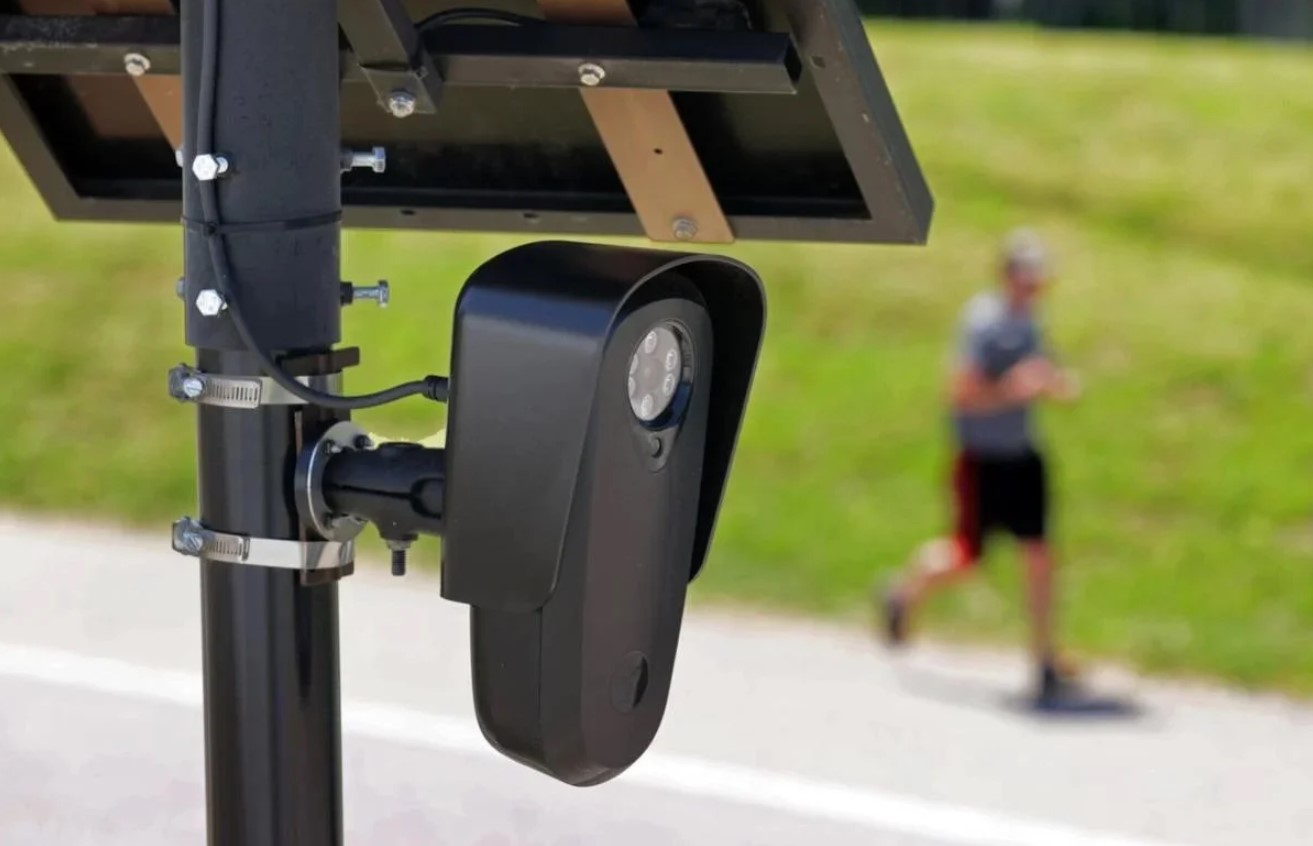
You drive through your neighborhood. A camera you never agreed to logs your plate, checks it against a database, and decides whether you deserve police attention. That’s exactly what happened to Rep. Marlin Stutzman, a Republican from Indiana, whose car was flagged by a Flock Safety camera for an expired registration. An officer followed him home. Stutzman’s reaction wasn’t gratitude for efficient policing — it was something closer to alarm. And now he wants Congress to do something about it.
One Congressman’s Traffic Stop, Everyone’s Problem
Stutzman calls the camera network “invasive” and pledges to work with colleagues on legislation imposing clear boundaries.
Speaking on Just the News, No Noise, Stutzman said he plans to work with colleagues on legislation to “rein these in” and set “boundaries” on Flock cameras. He called the system “invasive” and “too big government,” arguing that even legitimate law enforcement tools need privacy limits. Hearing that language from a Republican congressman rather than a civil-liberties group reframes the conversation in ways that could actually move a bill.
Flock Safety’s own policies offer some context worth knowing:
- Default data retention is 30 calendar days, after which records are hard deleted
- Customer data is not sold or disclosed for commercial purposes unless required by law
- Local contracts and laws can override those default retention periods
- Questions about data-sharing with state and federal agencies remain unresolved and contested
- Salem, Massachusetts ended its Flock contract, with cameras removed in July 2026; Springfield, Illinois approved a contract requiring regular public reporting on camera use
The Backlash Was Already Building
Across the country, cities are canceling or renegotiating Flock contracts as privacy concerns reach a tipping point.
Flock cameras have become one of the fastest-expanding surveillance networks in American cities — and 2026 has been the year the political ground shifted beneath them. According to NPR, multiple cities have canceled, paused, or renegotiated contracts over privacy and data-sharing concerns, with residents reporting they weren’t adequately informed before cameras appeared. This is the generation that learned to distrust tracking through secretly tracking users through app permissions nobody remembers granting. Roadside surveillance carries the same energy, but with badge-carrying consequences.
Law enforcement argues the cameras locate stolen vehicles, find missing persons, and extend coverage where human monitoring falls short. That’s a real benefit. But the system logs everyone’s movements — not just suspects — functioning less like targeted policing and more like a Ring doorbell network covering your entire zip code, with the footage routed directly to police.
The technology catches criminals. That part isn’t seriously disputed.
What is disputed is everything else. If Congress moves on this, expect proposals targeting:
- retention limits
- access controls
- audit requirements
- mandatory public reporting for automated license plate reader systems
The debate isn’t really about whether these cameras work. It’s about who decides how long your Tuesday commute stays in a searchable database — and exactly who gets to look.