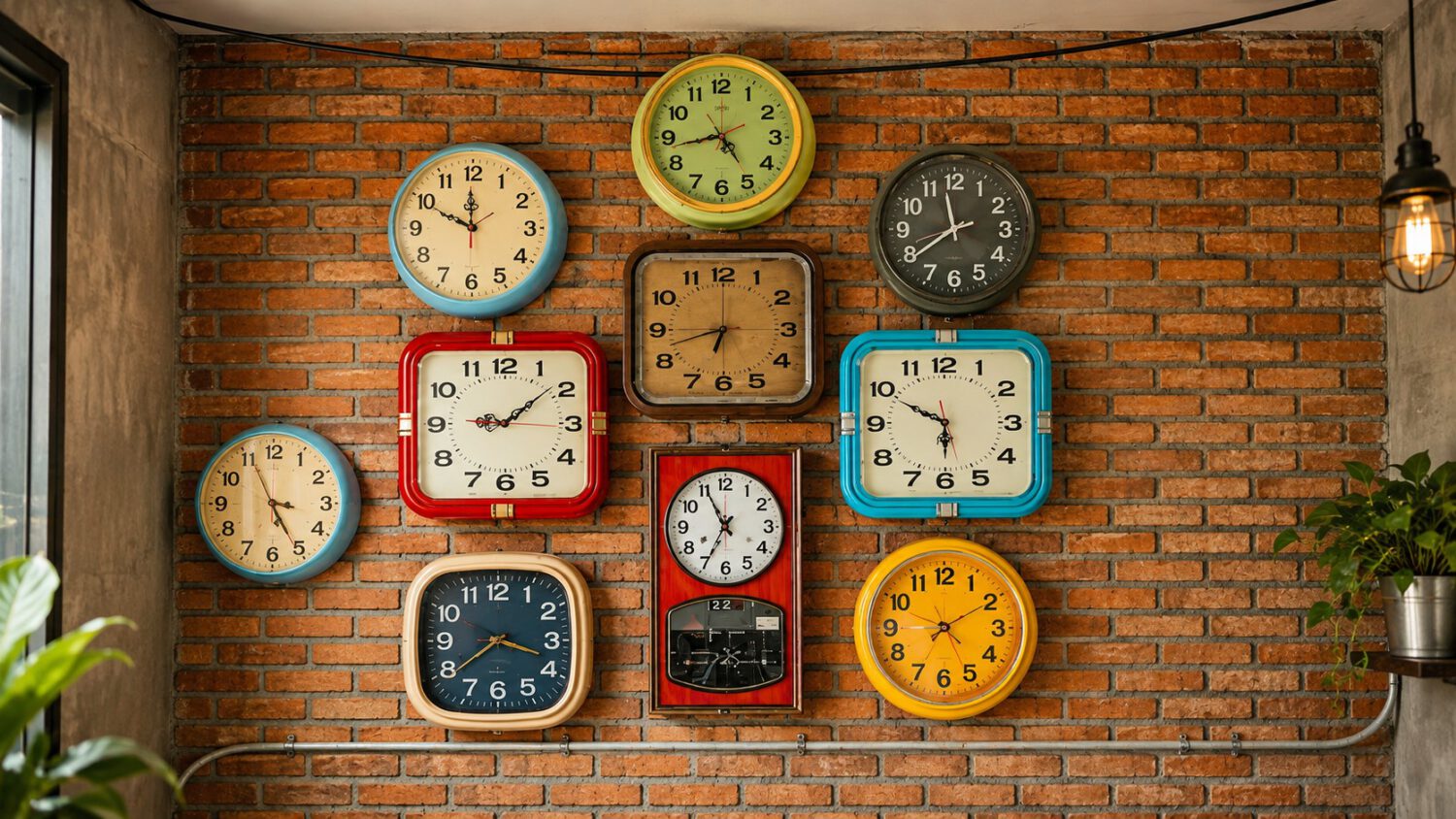
At 2am BST on Sunday 25 October 2026, the UK returns to Greenwich Mean Time, with clocks reverting to 1am. Most connected devices handle this automatically, but a notable number of common smart kitchen gadgets do not.
The Devices That Won’t Help Themselves
Conventional appliances and older gadgets have no network connection to lean on, which means the job falls to you.
Start in the kitchen. Conventional microwave and oven clocks typically have no network connection and need to be set manually, usually through a dedicated clock or time button on the control panel. Check your appliance manual if the controls are unclear, as layouts vary by model.
Standalone alarm clocks and non-smart watches also rely entirely on you to turn back the hands or adjust the display. If you go to bed without checking, your Sunday morning alarm could fire an hour later than intended.
Analogue wall clocks need the same treatment, unless yours uses a radio-controlled mechanism that synchronises automatically. Basic digital radios without internet connectivity will similarly hold onto BST until you step in.
Dashboard clocks on many older vehicles do not update automatically, so check yours before setting off on Sunday morning. Connected infotainment systems in newer cars may handle the change, but it is worth confirming either way. If you find yourself under the bonnet, there are plenty of DIY car fixes you can tackle yourself to save money.
The device most likely to cause genuine inconvenience is an older central-heating programmer or traditional thermostat. A heating schedule that runs an hour late on a cold October morning is not just a display annoyance; your home may stay cold longer than expected while the system catches up.
What Should Update on Its Own
Internet-connected devices are designed to apply the correct time automatically, though a few conditions can trip them up.
Smartphones, tablets, laptops, and computers connected to the internet will generally apply the correct time without any action from you. Smart speakers, smart plugs, and smart thermostats should also update through their connected apps and cloud services, as confirmed by the official UK government clock-change guidance.
Some smart meters are designed to handle the seasonal change on their own, though behaviour can vary depending on the meter, tariff, and whether schedules operate on local time or UTC. Check your supplier’s guidance if you are unsure.
A smart device that is offline, has recently lost power, or carries an incorrect time-zone setting can still display the wrong time. Confirm that your smart-home devices are online and set to the correct region, such as UK or Europe/London, rather than assuming everything is correct.
The List Gets Shorter Every Year, but Not Yet
Connectivity is gradually shrinking the manual-reset list, but legacy appliances are not disappearing from kitchens and dashboards any time soon.
As more household products gain internet connectivity, fewer clocks should need a manual reset each October. That shift will take years, and conventional appliances will remain in use throughout.
The practical move is to sort the microwave, the heating programmer, and the alarm clock on Saturday night. The car clock is an easy one to overlook until you are already on the road and the time feels slightly off.