Fires and smoke incidents involving lithium-ion batteries have struck at least four national park sites since 2025. The National Park Service published a fire-safety warning in October 2026, citing real incidents at some of the country’s most visited parks, and the agency wants every visitor carrying a phone, camera, laptop, or e-bike to take note. Travelers would do well to review charging tips before heading out.
What Happened
These four confirmed incidents show the hazard is not limited to city apartments or urban e-bike storage facilities.
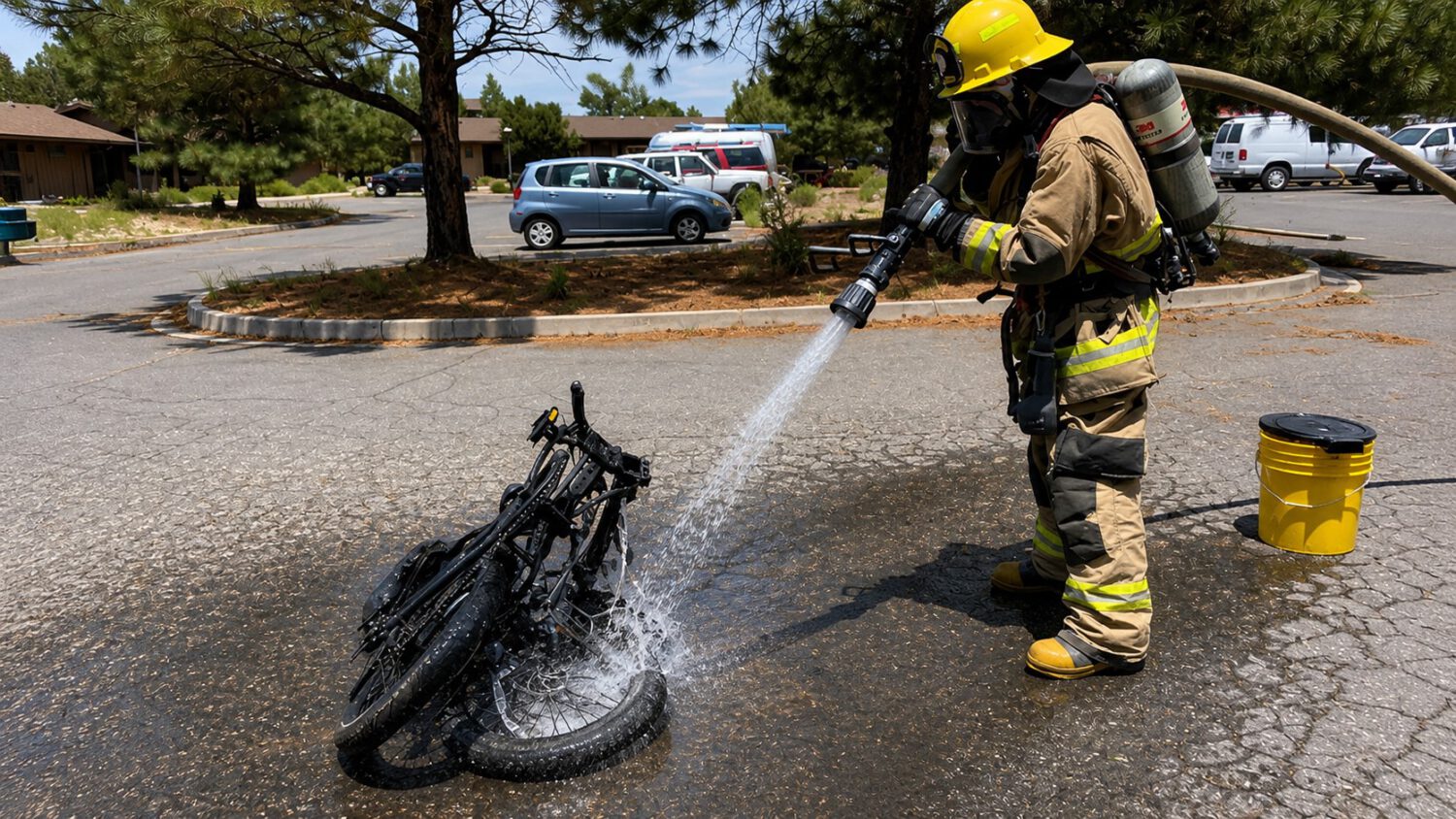
The earliest incident came in June 2025, when an electric unicycle exploded and caught fire at a vacation rental cabin in Wawona, Yosemite National Park, damaging a nearby fence and the cabin roof. On July 21, 2026, Grand Canyon National Park firefighters responded to a burning e-bike at an apartment.
That same month, on July 27, 2026, an audio-tour player began smoking in its charging dock inside a cellhouse at Alcatraz, part of Golden Gate National Recreation Area. Then, on September 5, 2026, lithium-ion batteries in a boat went into thermal runaway and began smoking at Wahweap Marina in Glen Canyon National Recreation Area.
What the NPS Wants You to Do
The agency’s guidance centers on device behavior, charger quality, and where you plug in.
The incidents illustrate the risk of thermal runaway, a condition in which a battery generates heat faster than it can dissipate it. Fires produced by this reaction can burn at extreme temperatures and expose people nearby to hazardous chemicals.
Watch for early warning signs. Any device that becomes unusually hot, swells, smells strange, leaks, smokes, or makes hissing or popping sounds should be powered off immediately, according to NPS guidance. Do not resume use.
Charger choice matters more than most people realize. Use only the charger and cable that came with your device, or an accessory the manufacturer explicitly approves. Defective or incompatible aftermarket chargers can increase the risk of battery failure, per NPS guidance. Understanding charger risks can help visitors make safer decisions in the field.
Before buying any rechargeable device, look for safety-certification marks from recognized testing laboratories such as UL, ETL, or CSA. Charge devices on a hard, stable surface and do not leave them unattended.
Unplug once your device is fully charged to avoid overcharging. For large devices such as e-bikes and e-scooters, the NPS is explicit: charge them outdoors, away from exit routes, so a fire cannot block evacuation from a building or cabin.
Access Is Expanding Even as the Warning Goes Out
A proposed rule would broaden e-bike access across the park system, raising the stakes for visitor charging habits.
On August 31, 2026, the NPS proposed a rule intended to streamline bicycle and e-bike access and create a more consistent framework across the national park system. The proposal remains subject to public review and comment. Park superintendents retain authority to restrict or condition e-bike use for public safety and resource protection, and e-bikes remain prohibited in wilderness areas under the existing framework. Visitors planning to bring their own equipment may find useful options among the latest bike gadgets.
Before Your Next Trip
Preparation at home is the most practical step any park visitor can take before heading out.
Pack the charger that came with your device. Stocking up on the right camping essentials can also make your trip safer and more comfortable. If you are bringing an e-bike, plan to charge it outside your rental cabin, well clear of any door or exit. Any battery showing visible signs of swelling or damage before you leave home should stay home.