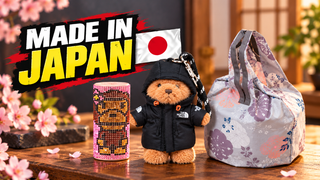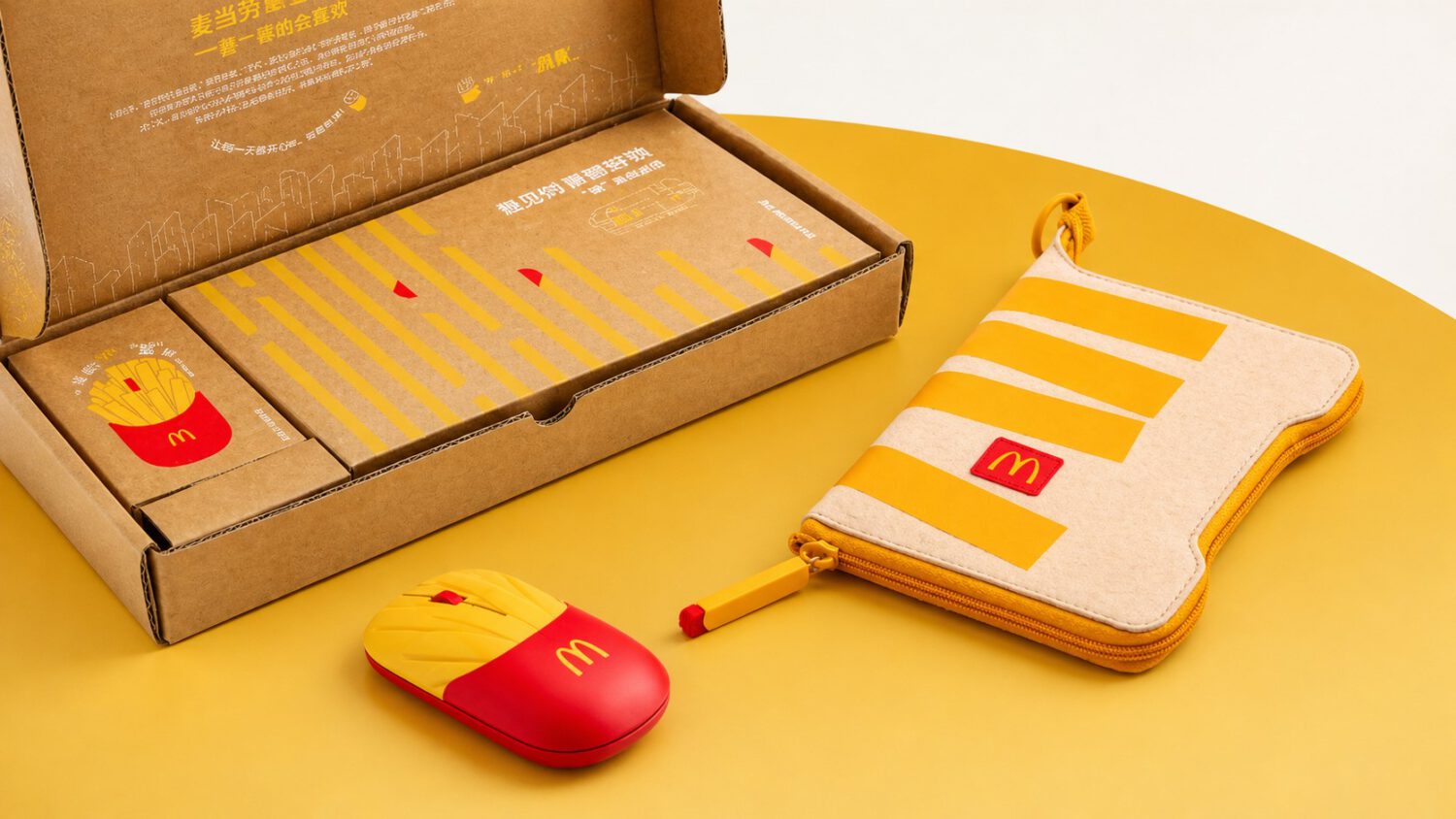
McDonald’s China and Lenovo have turned discarded Happy Meal toys into a functional wireless mouse shaped like a French-fry carton. Only 4,000 units exist, and more than 6,000 people had reportedly reserved one before the sale opened.
Pre-registrations outpaced available supply by more than 2,000 before the sale even began.
What the Fry Mark Actually Does
Beneath the red-and-yellow shell, this is a real peripheral with dual wireless connectivity and three DPI settings.
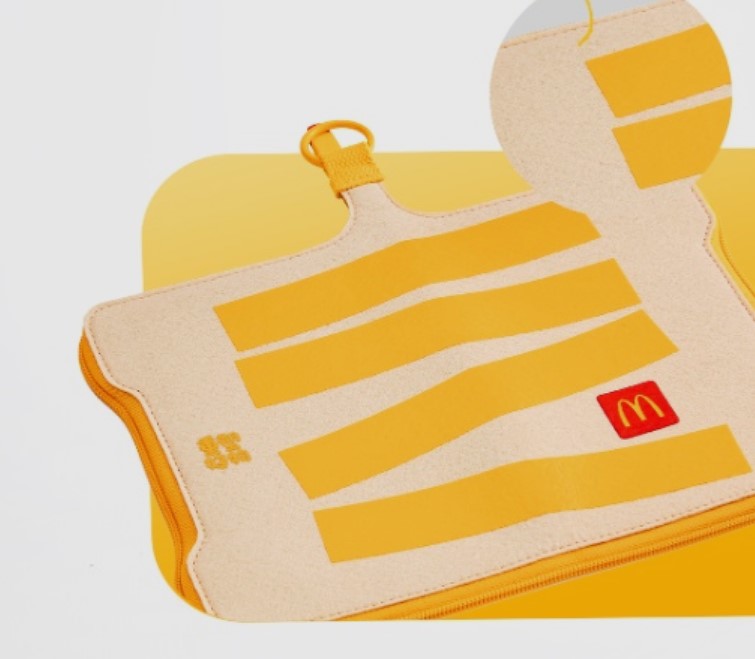
Connectivity options include 2.4GHz wireless and Bluetooth. Quiet click buttons, a 380mAh battery, and a felt carrying case that unfolds into a green-tray mouse pad round out the hardware, according to product reporting by IT之家.
No independent testing of tracking accuracy, latency, battery endurance, or ergonomic comfort has been conducted, so real-world performance remains unverified. Whether the fry-carton silhouette is comfortable for extended use is a question no reviewer has answered yet.
Where the Plastic Came From
McDonald’s China says old toys are collected, dismantled, and converted into recycled material before entering a new product’s supply chain.
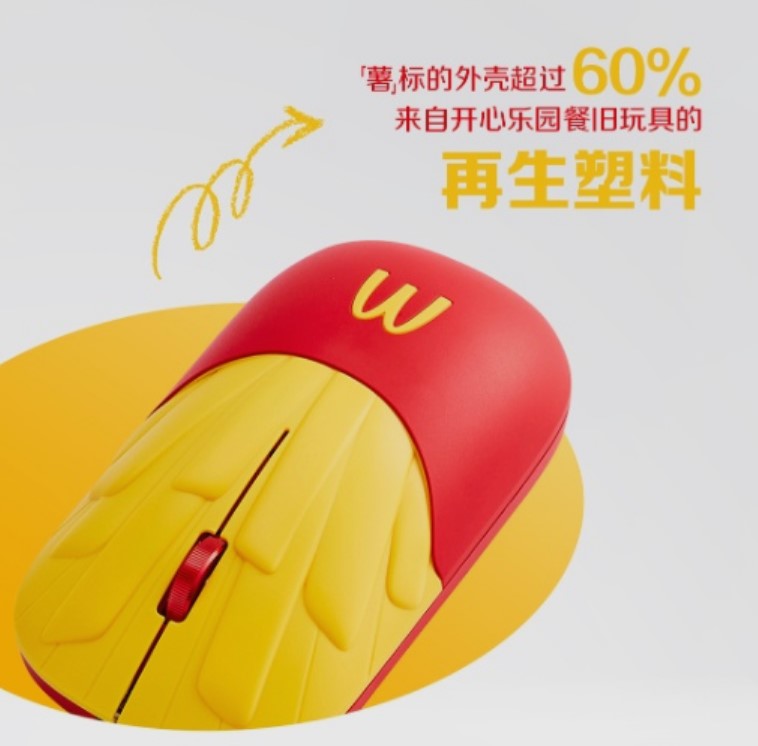
More than 60% of the Fry Mark’s shell is reportedly made from recycled plastic sourced through McDonald’s China’s “Reimagine Good Things” initiative, according to product reporting. Earlier outputs from that program reportedly included trays, flowerpots, plush toys, and employee uniforms.
What the available sources do not establish: the mouse’s total lifecycle emissions, any third-party recycled-content certification, or whether the device itself is recyclable at end of life. McDonald’s China’s central message is that discarded plastic toys can re-enter the production cycle rather than head to landfill, though detailed supporting documentation has not been made publicly available.
How to Buy One
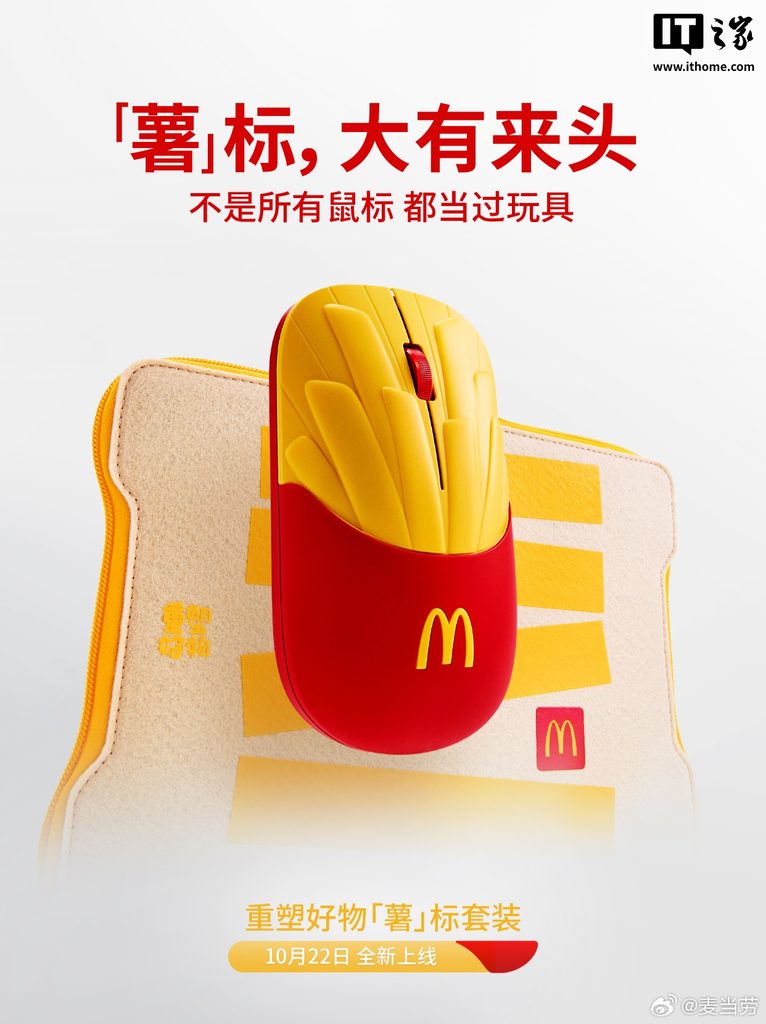
Sales run October 22 and 23 through the McDonald’s China app and WeChat mini program, starting at 10:45 a.m. local time each day.
Two thousand units are available each day, for a total of 4,000. The price is 99 yuan, roughly $14, plus 18 McDonald’s member points, with a two-unit purchase limit per customer.
No international release has been announced. If you are not in China and not already registered, this one is not available to you through official channels.
What It Signals
The Fry Mark is a small-batch experiment in connecting fast-food collectibles with a broader recycling supply chain.
McDonald’s China and Lenovo describe the collaboration as an exploratory cross-industry effort. At $14 and 4,000 units, it positions itself as a functional peripheral first and a branded collectible second.
No international expansion has been announced, and available sources do not specify what conditions would prompt one.