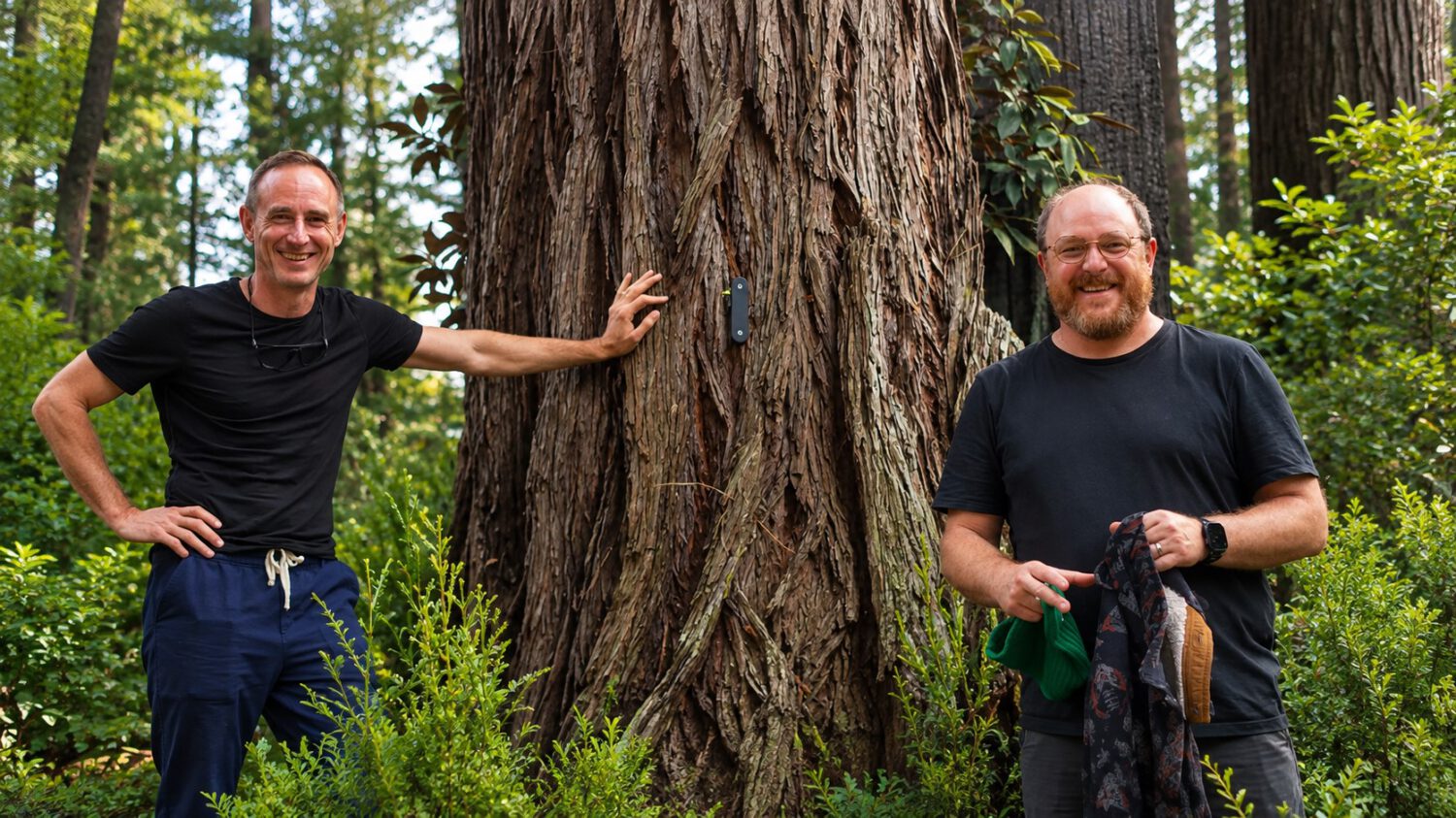
A wired houseplant once used its own electrical activity to steer a motorized platform toward better light. That experiment, modest and a little strange, convinced Justin Mast there was something worth decoding in how plants signal their needs. On October 20, 2026, his company Electric Plant emerged from stealth with an $11.2 million seed round and an AI model called Bombadil built to do exactly that.
The pitch is direct: stop inferring plant health from external sensors and satellite images, and start reading it from the plant itself.
How Bombadil Actually Works
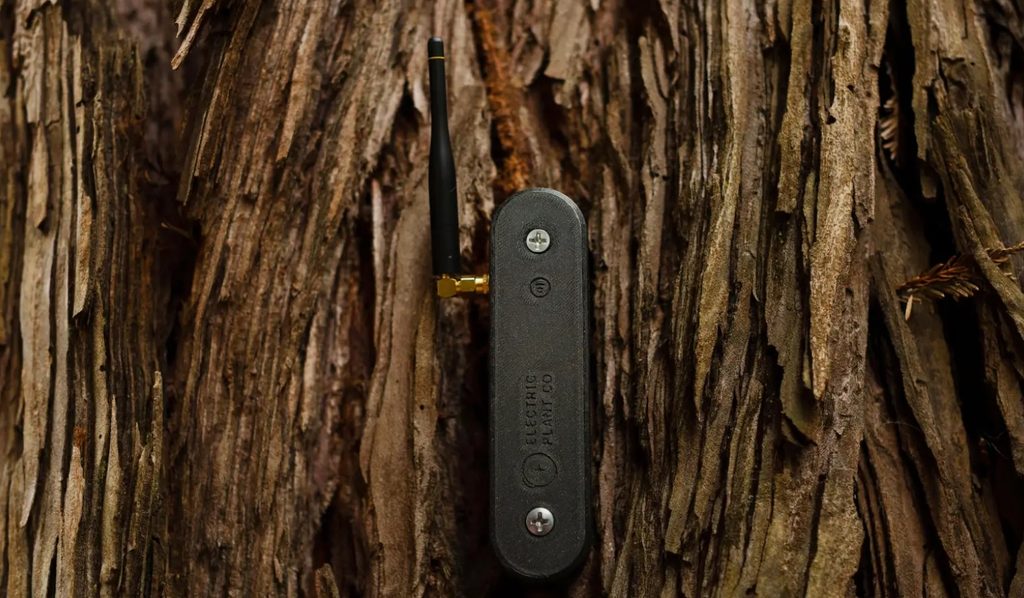
The sensor is small, affordable, and screwed directly into living bark to capture electrical signals in real time.
The hardware is roughly the size of an iPhone folded lengthwise. Stainless-steel screws penetrate the cambium, the living tissue just beneath the bark, to detect microvolt-scale electrical changes within the plant.
Data travels over a low-power wireless network to a base station, then into cloud analysis. Mast says a few sensors per acre may suffice, with each unit costing tens of dollars compared to thousands for some existing monitoring equipment.
Bombadil applies machine learning to associate those electrical patterns with plant condition. The “plants speaking” framing in Electric Plant’s marketing is a metaphor, not a literal translation: the system maps physiological signals to grower-relevant decisions, not words.
According to Mast, Bombadil was trained on more than 7 million hours of plant electrical signals across more than 125 species. That figure comes from his own announcement post and has not been independently verified. Company and media materials put species coverage at between 100 and 125, a discrepancy worth noting.
Who It’s For and What’s Still Unproven
Farmers and foresters are the primary audience, but independent field results are not yet available.
Bombadil’s stated goal is to catch plant stress before it becomes visually obvious, giving growers earlier windows to adjust irrigation or fertilization schedules. That represents a different approach from monitoring tools that rely on external indicators such as soil moisture readings, weather data, or satellite imagery.
Target customers include agricultural operations, foresters, nurseries, landscapers, and conservation managers. Electric Plant claims the system could reduce water use by 20% or more while improving yields, but those are early company claims and have not been validated by independent research or publicly identified customers.
Open questions remain on several fronts. Whether repeated cambium penetration affects tree or crop health over time is unclear from available reporting. Accuracy across climates, soil types, and the full species range is also unestablished.
The Team and the Money Behind It
A plant retailer, a neuroscientist, and roughly three years of data collection preceded this launch.
Mast previously founded Bloomscape, an online plant retailer. Co-founder and chief scientist Lee von Kraus is a neuroscientist whose prior work included DARPA, according to company descriptions. The two spent approximately three years collecting data before the launch.
The $11.2 million seed round was led by Onto Ventures and Climactic, with participation from Ponderosa, Endeavor Catalyst, Ludlow, Michigan Rise, The Fund, Schox VC, and Dug Song.
Bombadil is best understood as a decision-support platform for growers, not a translator for human-plant dialogue. The longer-term vision of people “speaking” with plants remains speculative. The clearest next milestone is independent field data: results from trials across multiple climates and crop types that confirm whether Bombadil’s stress predictions translate into measurable yield or water savings outside the company’s own testing.