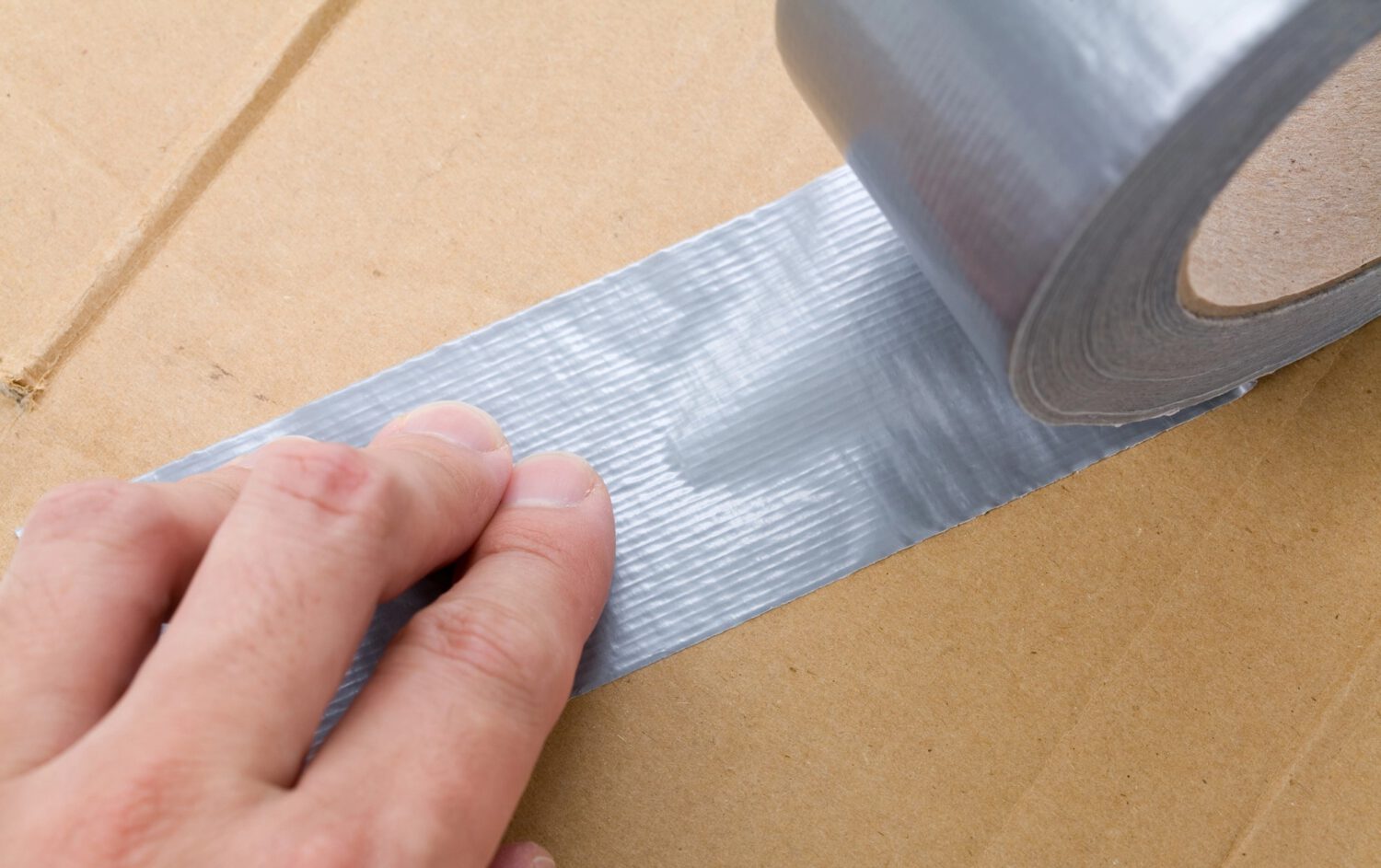
The sandbag has long been the default image of flood defence: neighbours hauling heavy bags, stacking them against doorways as water rises. University of Hull researchers, commissioned by Flood Re, tested that assumption, and the results reported during Flood Action Week in October 2026 tell a different story.
Correctly applied duct tape reduced measured water leakage through a household door by approximately 97 to 98 percent compared with an unprotected doorway. Sandbags with plastic sheeting, using 54 bags in the comparison test, reduced leakage by up to about 70 percent under the same conditions.

What the Tests Actually Measured
The tape-based measures outperformed sandbags across every door type tested, despite sandbags remaining the more familiar emergency choice.
Researchers tested modern wooden, uPVC, and composite doors, each installed by trade professionals. Sandbags performed less well against all of them.
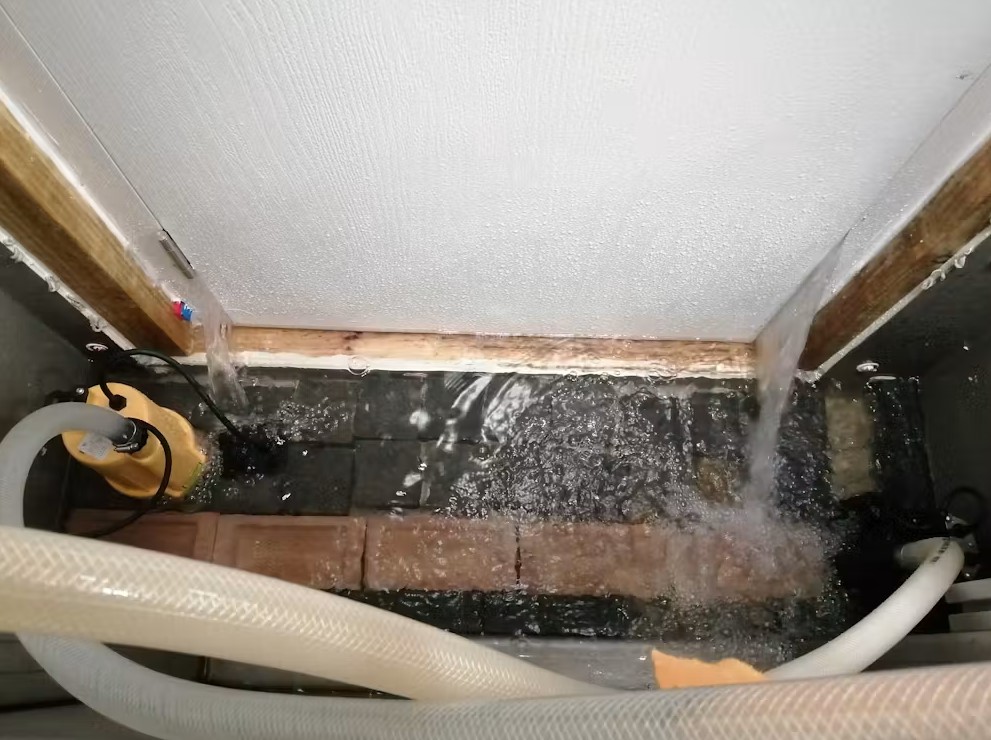
Water depth increased in 5cm increments to a maximum of 60cm, with leakage collected and continuously measured throughout. At that maximum depth, unprotected doors could allow thousands of litres of water per hour to enter a property.
Flexible synthetic rubber tape performed slightly better than standard duct tape, reducing leakage by around 99 percent. External application consistently outperformed internal application, and outward-opening doors performed better than inward-opening doors. To reduce variation between runs, the same person applied the tape in each test.
“Tape is not a substitute for permanent, professionally installed property flood resilience measures.” Professor Stuart McLelland, University of Hull.
The Practical Case for Keeping Tape in an Emergency Kit
For households weighing their options, the difference in cost, weight, and storage between tape and sandbags is considerable.
A roll of duct tape is inexpensive, lightweight, and fits in a kitchen drawer. Sourcing, transporting, and stacking 54 sandbags is a different proposition, particularly under time pressure. For those interested in other practical tools, a roundup of smart gadgets worth keeping around the home may also be useful.
Post-flood disposal adds another complication. Sandbags exposed to contaminated floodwater are difficult to dispose of, while the research describes tape as considerably easier to deal with after use.
The findings suggest tape may serve as one low-cost, temporary layer of protection for a household emergency kit, applied before water reaches the doorway.
What Tape Cannot Do
The laboratory result applies to a single tested doorway, not to an entire property under real-world flood conditions.
The 97 to 98 percent figure describes leakage reduction through tested door assemblies in controlled conditions. It is not a guarantee that a home will stay dry.
Water enters properties through walls, floors, drains, airbricks, and other openings that tape cannot address. Performance also depends on the condition of the door and frame, the surface being taped, the type of tape used, and the quality of application.
Lab results do not transfer automatically to every real-world flood scenario. Duct tape is not a substitute for flood doors, non-return valves, airbrick covers, or a property-specific resilience plan developed with professional advice.

Where This Fits in the Broader Flood Resilience Picture
The University of Hull findings align with the UK government’s wider push to make practical, low-cost flood protection more accessible.
The UK government’s FloodReady review was commissioned by the Environment Agency in January 2025. It identified six strategic themes for improving property resilience, including trusted information and accessible products.
For households at significant flood risk, permanent measures remain the priority according to government guidance: flood doors, protected airbricks, raised electrical systems, and surfaces that limit damage when water gets inside. For others, the research suggests that a roll of duct tape may be worth keeping in an emergency kit, alongside a clear understanding that the doorway is only one place water can enter. Households may also wish to consider broader home security measures as part of a wider property protection plan.