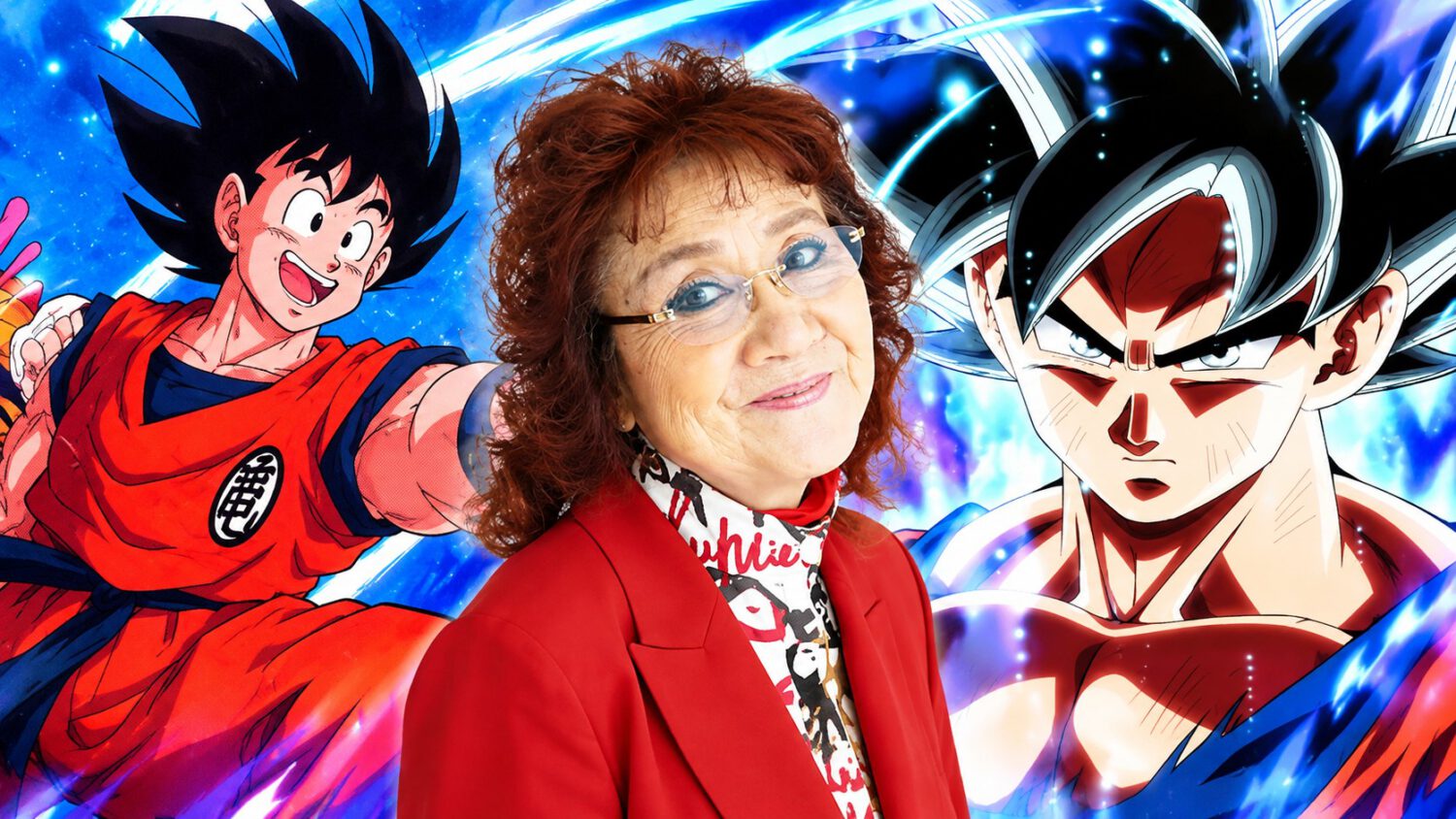
Masako Nozawa has voiced Goku for four decades. Now she’s watching AI tools reproduce something that took a lifetime to build, and she’s not staying silent.
Nozawa publicly condemned AI-generated videos cloning her voice without permission. Her reported comments to NHK, translated and circulated by Dragon Ball Hype, describe the practice as outright theft. Her objection landed the same day the Japan Actors Union published its first formal guidelines on AI voice use, on October 15, 2026.
The quotes are blunt. “This is not my voice. Using it without permission is unforgivable. It’s the same as theft, and it makes me angry.” Both quotations should be treated as reported translations pending verification against the original NHK broadcast or transcript.
‘It has no heart.” Masako Nozawa, on AI imitations of her voice. Reported translation; verify against the original NHK source before publication.
Her objection is specific: unauthorized use, not AI itself. Nozawa has voiced Goku since the 1986 debut of Dragon Ball and has also voiced Gohan and Goten. That performance history functions less like a job and more like a cultural inheritance held in trust. Cloning that voice resembles training a model on a master chef’s unpublished recipes and then selling the output under their name.
The Japan Actors Union, which represents approximately 2,600 actors and voice performers, responded with guidelines that treat consent as non-negotiable at every stage of the production chain. Per the union’s published guidelines, performers must give explicit permission at three distinct points. Those points cover voice use for AI training or analysis, voice model generation or construction, and publication or sale of the resulting audio.
The framework goes further than a simple opt-in. It calls for separate compensation at each stage, including specific payments for advertising applications and multilingual use. The guidelines also restrict the use of deceased performers’ voices in new works unless heirs or another authorized rights holder grant permission, according to the union’s published materials. On dubbing, the union states that AI should not replace human performers in film or television.
The enforcement gap is where the story gets complicated. These are voluntary industry standards, not law. Japan does not yet have comprehensive statutory protections covering voice use in AI, according to reporting by Jiji Press.
Important questions remain unresolved: legal remedies, cross-border enforcement, and platform responsibility. AI voice tools require no studio, no contract, and no credits. Whether voluntary industry rules can hold against technology that operates globally is the question this story leaves open.