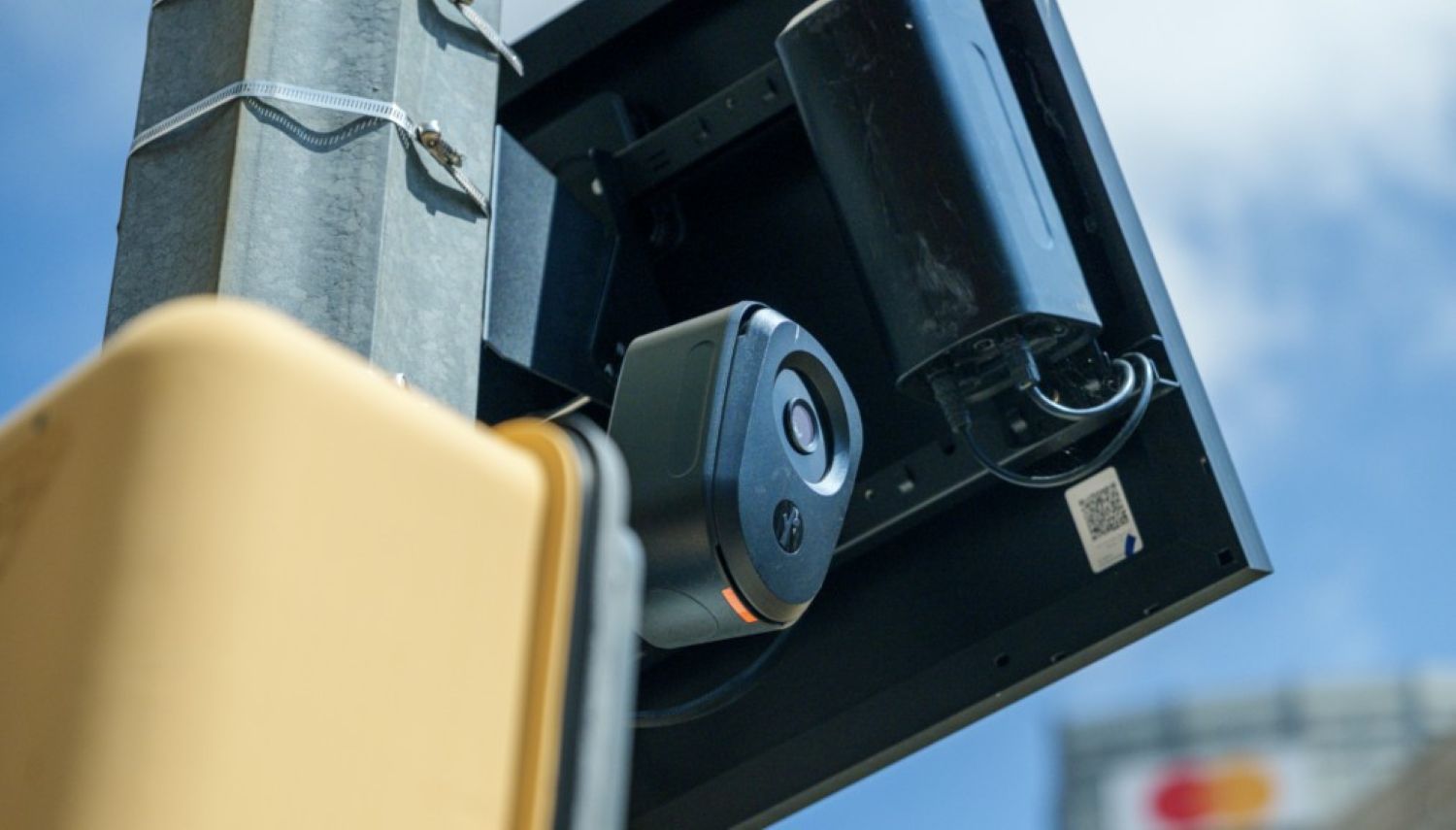
The Erie County District Attorney’s Public Integrity Unit reviewed the case and found no criminal conduct. Three Cheektowaga police employees, Robert Dombrowski, Anthony Filipski Jr., and Lauren Seibr, allegedly spent months using the department’s Flock camera system to search for and track a fellow employee’s vehicle. They will not face prosecution.
That prosecutorial determination does not resolve possible policy or employment violations. It does leave the harder question untouched: if the law cannot reach this behavior, what does?
What the System Was Built to Do
Flock cameras are searchable surveillance infrastructure, and the distinction between intended use and misuse depends entirely on who is watching the watchers.
Flock cameras are automated license plate readers. Plates detected by the cameras are logged, and authorized users can search that data for public-safety investigations. Access is assigned by role, and according to Flock’s published privacy materials, searches are recorded and reviewable. According to local reporting, Cheektowaga operates nearly 30 of these cameras. The system is designed to find stolen cars and support legitimate investigations, not to let employees run quiet surveillance on coworkers.
What the Accountability Gap Looks Like
No criminal charges does not mean no consequences, but whether consequences follow depends on what the department does next.
WKBW submitted a formal records request for information about disciplinary action taken against the three employees. The outcome of that request had not been reported as of the time of this article’s publication.
The timing issue deserves more attention than it has received. The alleged tracking continued for months, and Flock’s published privacy materials indicate that searches are logged and reviewable. The central question is why those logs did not surface the problem sooner, and whether anyone was actively reviewing them.
One sentence in Flock’s privacy materials does quiet, consequential work. Local agencies remain responsible for determining who receives access and how the system is governed. The company builds the tool and logs the searches; oversight responsibility rests with the department. surveillance app misuse patterns like this one have emerged in other contexts as well, pointing to a systemic accountability gap.
What Changes Are Promised
Flock has announced several new safeguards, though their effectiveness depends on how rigorously local agencies choose to enforce them.
Flock announced that law-enforcement searches must now be linked to a criminal case number, with abnormal activity triggering automatic review and users who exceed defined thresholds subject to proactive access suspension. The company also reduced its standard data-retention period from 30 days to seven days, though case-related data can be preserved longer through its Evidence Mode feature for active investigations. These announced changes apply to Flock’s platform; whether Cheektowaga has fully implemented each measure has not been independently confirmed.
A case-number requirement may deter or document unauthorized searches, but it cannot stop someone willing to attach a thin justification to a personal inquiry. Audit frequency and meaningful consequences for violations are what give any of this weight.
Some Cheektowaga residents have called for removing the cameras entirely, a coherent response to a trust breach even if it is not the only option available.
The Questions That Still Need Answers
Announced reforms are a starting point, but the public record does not yet establish whether Cheektowaga’s changes carry real consequences for future violations.
Cheektowaga said it tightened procedures, limited system access, and increased oversight. Those are the right words. Whether they translate into durable accountability depends on specifics the public does not yet have. How many searches were conducted, and over what period? Was the tracked employee ever notified? What did the internal audit actually find?
Surveillance tools in the hands of a police department carry an implicit promise that the people operating them will not turn them inward. When that promise breaks, the fixes need to be verifiable, not just announced. Cases of secretly tracking individuals without consent underscore how urgent that verification is. Public records should answer whether Cheektowaga’s reforms have teeth.