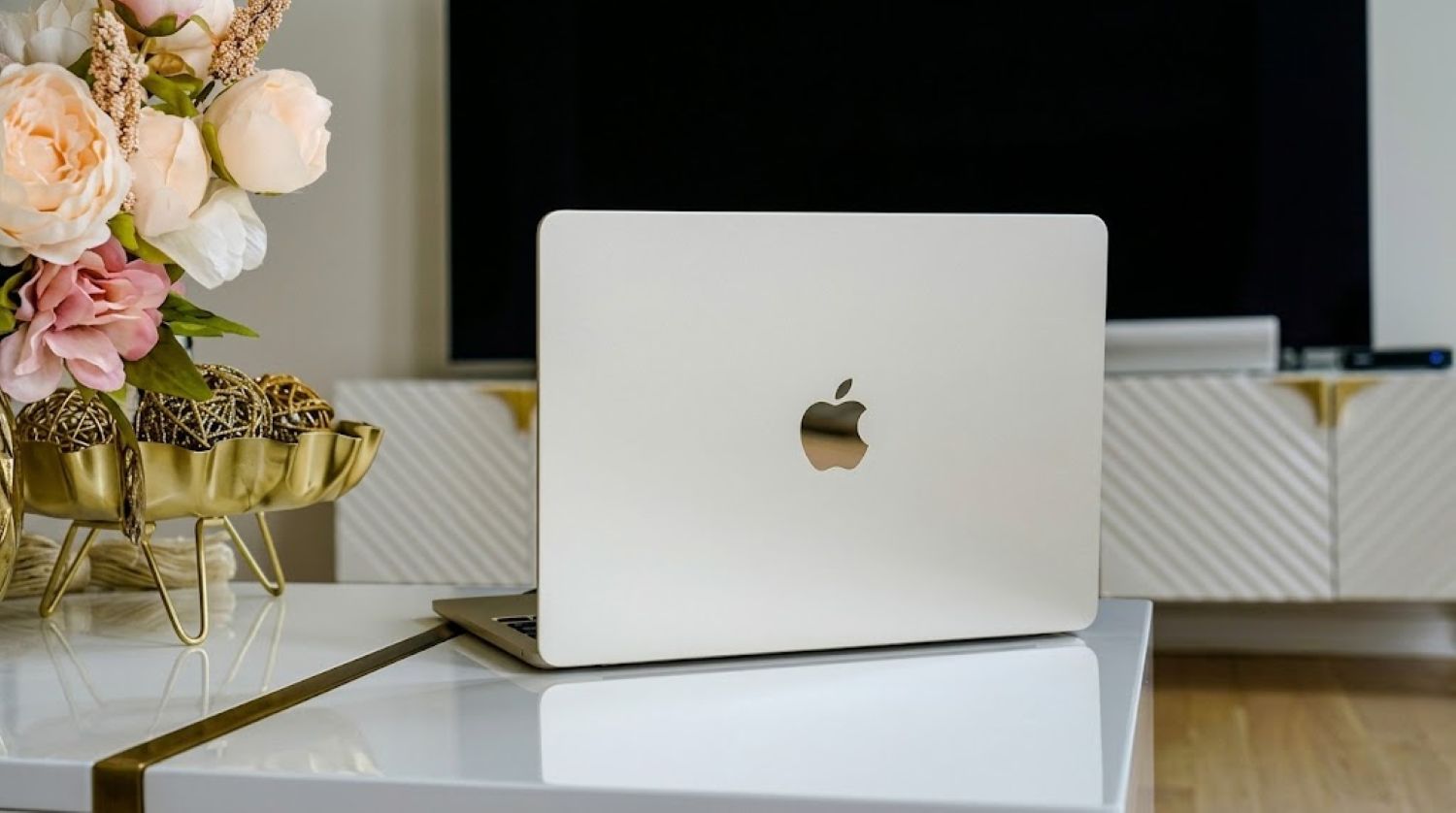
On October 14, 2026, Apple added the MacBook (Retina, 12-inch, 2017) to its official obsolete-products list, closing the book on a laptop that weighed roughly 920 grams at a time when most notebooks felt like carry-on luggage.
Apple defines a product as obsolete when it has not been distributed for sale for more than seven years. Obsolete status means Apple Stores and authorized service providers generally will not accept the 2017 MacBook for standard hardware repairs. Apple will no longer supply replacement parts through its authorized network, according to MacRumors and 9to5Mac. The 2015 and 2016 12-inch models had already crossed that threshold, so this designation places the entire 12-inch MacBook family outside Apple’s standard hardware-support system.
What Owners Can Still Do
The device keeps working, but your repair options are narrowing.
Obsolete status does not remotely disable the device, and your machine does not stop working the moment Apple reclassifies it. Independent repair shops may still be able to source batteries, keyboards, and displays if compatible parts remain available, though no repair-industry source currently documents specific part availability for this model. For owners dealing with computer problems on aging hardware, third-party options may still offer a path forward.
Battery service carries a partial exception. Apple allows Mac laptops to receive battery-only service for up to 10 years after a product’s last distribution date, subject to parts availability, according to Apple’s support documentation. That exception does not restore general repair support, but it gives battery-dependent owners a narrowing window to act.
The Laptop That Weighed Less Than a Bag of Sugar
At 920 grams, the 12-inch MacBook made every other laptop feel like a compromise.
At 920 grams and 3.5 millimeters at its thinnest point, confirmed by Apple’s technical specifications, the 12-inch MacBook was the kind of object that made you question every other laptop you had carried. It offered a single USB-C port, a Force Touch trackpad, and a backlit keyboard, along with a fanless design enabled by its low-power Intel processor.
The strengths were real: a Retina display, stereo speakers, and near-silent operation. The limits were equally real. One port meant adapters. The Intel processor handled browsing and documents adequately but struggled under demanding workloads. The butterfly keyboard, whose reliability concerns are well-documented, became the design’s most consequential drawback for many owners.
Apple Silicon Never Came for the Small One
Apple retired the 12-inch form factor in 2019 and has not announced a direct successor.
Apple discontinued the 12-inch MacBook in 2019 and has not announced a sub-13-inch MacBook using Apple silicon. Apple silicon substantially improved performance and efficiency across the MacBook lineup, but none of that engineering has appeared in a chassis this compact.
The Apple’s mainstream lightweight option, the MacBook Air, does not recreate the same portability as the 12-inch model. The gap in Apple’s lineup for buyers seeking maximum portability has remained unfilled since 2019.
What to Do Now
If your 2017 MacBook is still in daily use, the time to act on repairs is now.
Check battery health soon, and assess any components showing wear while independent repair parts remain findable. Back up your data and plan for a replacement when the hardware can no longer meet your needs. That window will not stay open indefinitely.