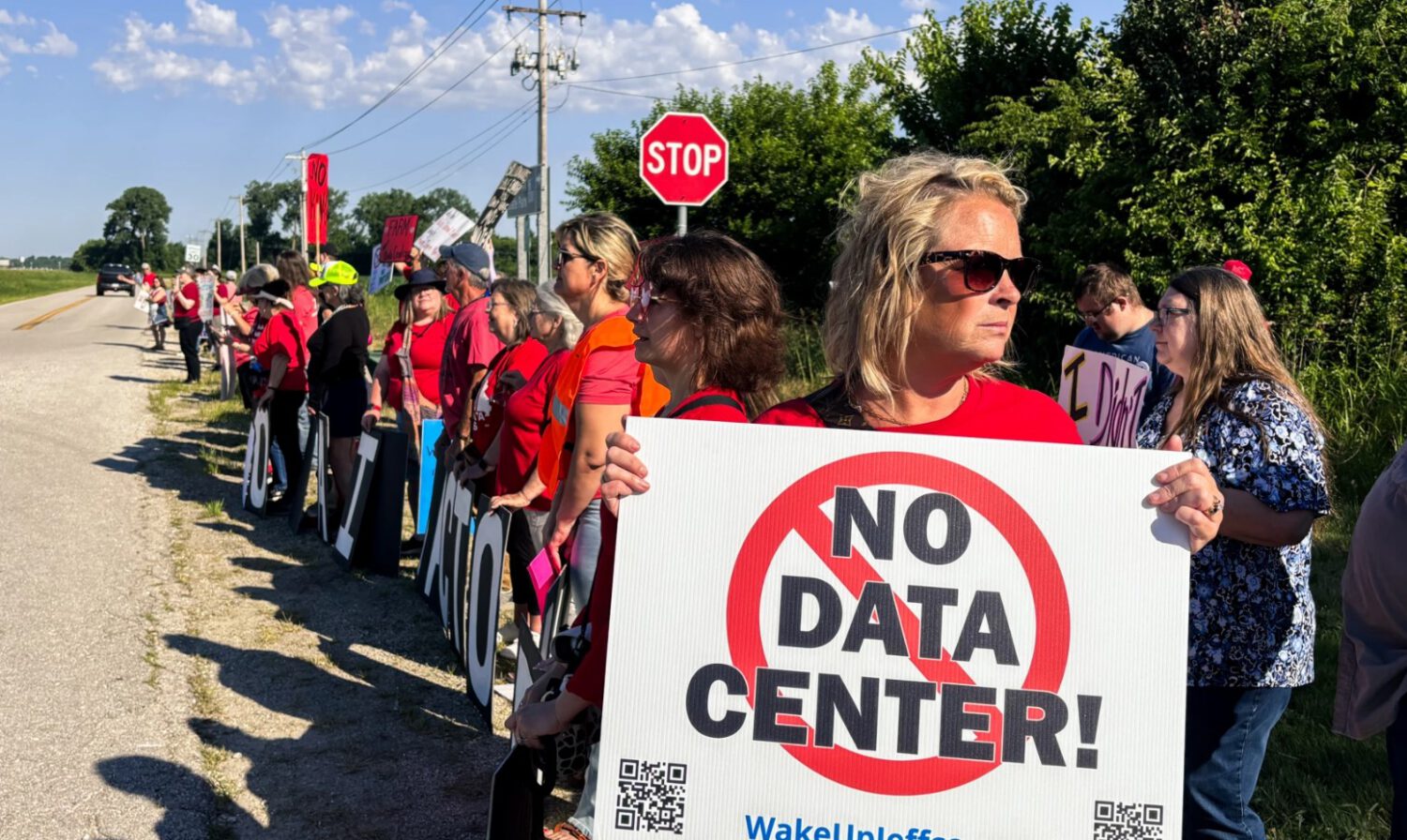
A $165 million community-benefits package, including $10,000 payments to eligible Hazle Township households, failed to secure approval for Project Hazelnut. The rejection landed not because residents oppose economic development, but because the structure of the deal answered the wrong question.
Governor Josh Shapiro subsequently removed AI data centers from Pennsylvania’s Fast Track permitting program. He introduced requirements covering infrastructure costs, public engagement, local hiring, community benefits, and water conservation. This is no longer a local zoning dispute; it is a turning point for every state negotiating with hyperscale developers right now.
What the Offer Actually Covered
The benefits package was substantial on paper, but the fine print exposed a structure built around one municipal boundary.
NorthPoint’s package earmarked $45 million for direct household payments, with $10,000 per eligible Hazle Township household. Payments were contingent on the first building receiving a certificate of occupancy, anticipated in late 2027.
The proposed campus reportedly spans roughly 1,100 to 1,300 acres. According to project materials, it includes 15 data-center buildings, four ancillary buildings, a substation, and a switchyard. NorthPoint is the developer on record. Public-records requests, reported by Fortune and PennLive, connected Amazon Web Services as the probable end user. An Amazon spokesperson denied involvement in creating or funding the payment program, saying only that the company was in site discussions with NorthPoint.
That gap between what public records suggest and what Amazon confirmed publicly intensified residents’ concerns about secrecy. When a community cannot identify who actually benefits from a project, a $10,000 check reads less like goodwill and more like a settlement offer.
Why the Math Didn’t Add Up for Residents
Neighbors outside Hazle Township could absorb real costs while remaining ineligible for any payment.
Residents in Hazleton and Sugarloaf Township could face potential effects from construction, transmission infrastructure, noise, traffic, and changes to water and electricity costs. None of them are eligible for a payment.
The Sugarloaf Transmission Project is a planned 500-kilovolt line. PPL Electric Utilities says it addresses regional demand, not any single customer, yet it would reportedly require tree removal and property acquisition affecting residents outside the township boundary. Communities in similar situations have found that developers can even seize your land for AI data center infrastructure.
Calling the offer “bribery” was residents’ characterization, not a legal finding. The Pennsylvania Ethics Commission’s executive director reportedly said the arrangement would be ethical if supervisors received the same treatment as ordinary residents. That framing alone signals how the structure looked from the outside.
For communities with histories of coal mining, brownfields, and industrial contamination, skepticism toward extraction-style deals is not irrational. It is hard-earned caution.
What Developers Need to Do Differently
The industry needs enforceable commitments across affected jurisdictions, not contingent checks drawn to a single zip code.
A direct payment restricted to one municipal boundary is not a community-benefits agreement. It is a line item with a transparency problem.
Durable agreements should include enforceable caps on water and power consumption, independent environmental review, and transparent disclosure of the actual end user. They also need decommissioning obligations and benefits that extend to every jurisdiction absorbing the project’s physical footprint. Governor Shapiro’s executive order sets a new baseline for Pennsylvania. The rest of the industry should treat it as a reference point rather than wait for their own public rejection.
The infrastructure running the AI tools you use every day is being negotiated in township meetings, with electricity bills and property values as collateral. Whether these facilities get built is increasingly a conditional question. The communities hosting them are demanding binding commitments, not contingent checks, and a real seat at the table before the permits are filed.